Spring is upon us, although I’m bracing for the Spring showers, which seem to have started early here! Whether you’re looking for a quick Easter make, for that last minute gift or Easter basket filler, I’ve got some patterns to tempt you…and most of them are FREE… Hurrah!
How about this as a sweet Easter basket filler for baby. Using Oeko Tex standard 100 approved 100% cotton in a 4ply; these lovey’s are soft to snuggle and safe to chew on…and are sure to become baby’s best friend.
This luxurious set of reusable soft textured facecloths and squishy scrubbies would make the perfect Easter gift for baby, Mom’s-to-be, or just that special girl in your life. They are quick and easy to make, so are perfect to add that handmade touch to gift baskets.
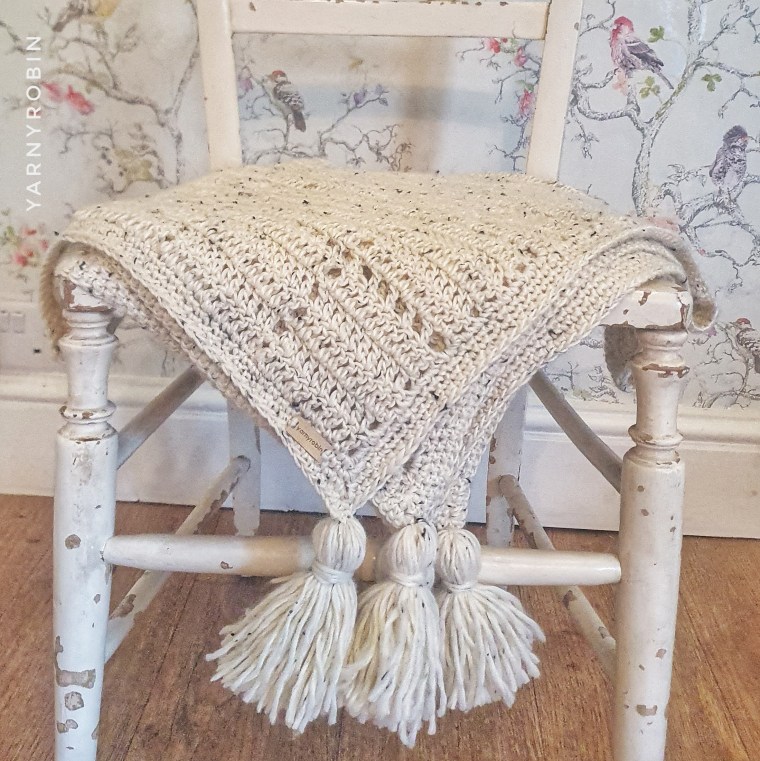
Why not hook this beautiful baby blanket, ideal for the spring / summer. A beginner’s introduction to filet crochet, the pattern is free and gives instructions on how to size up for a bigger blanket too!
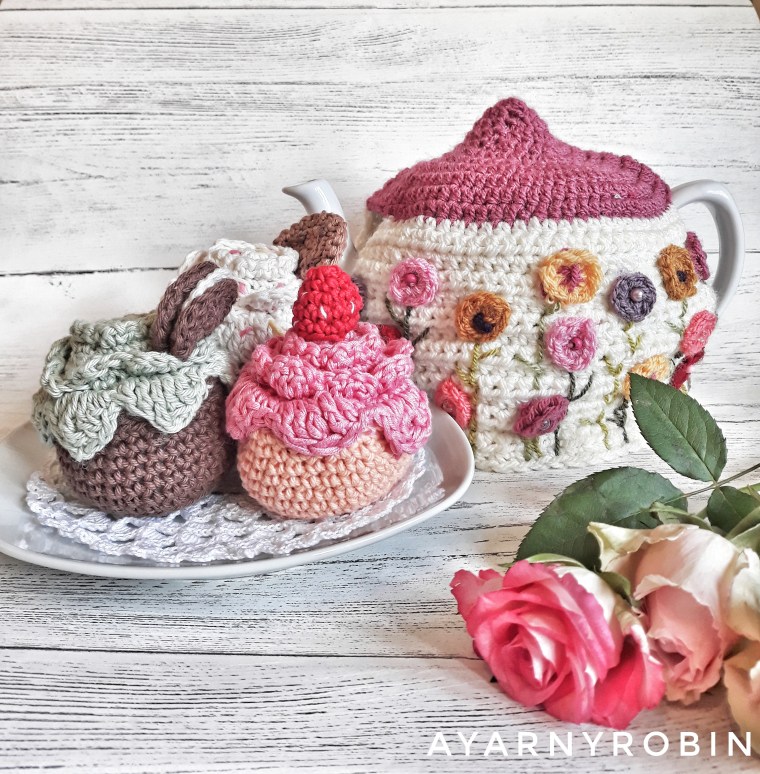
The simplicity and sweetness of this beautiful Spring tea cosy, makes it quick to make. Suitable for a beginner with a little experience of working in the round, this tea cosy is sure to keep your Easter cup of tea as warm as your freshly toasted hot cross bun!
Don’t forget to pop over to my socials to say hi…I would love to see what’s on your hook. @yarnyrobin
Happy Hooking!
Processing…
Success! You're on the list.
Whoops! There was an error and we couldn't process your subscription. Please reload the page and try again.
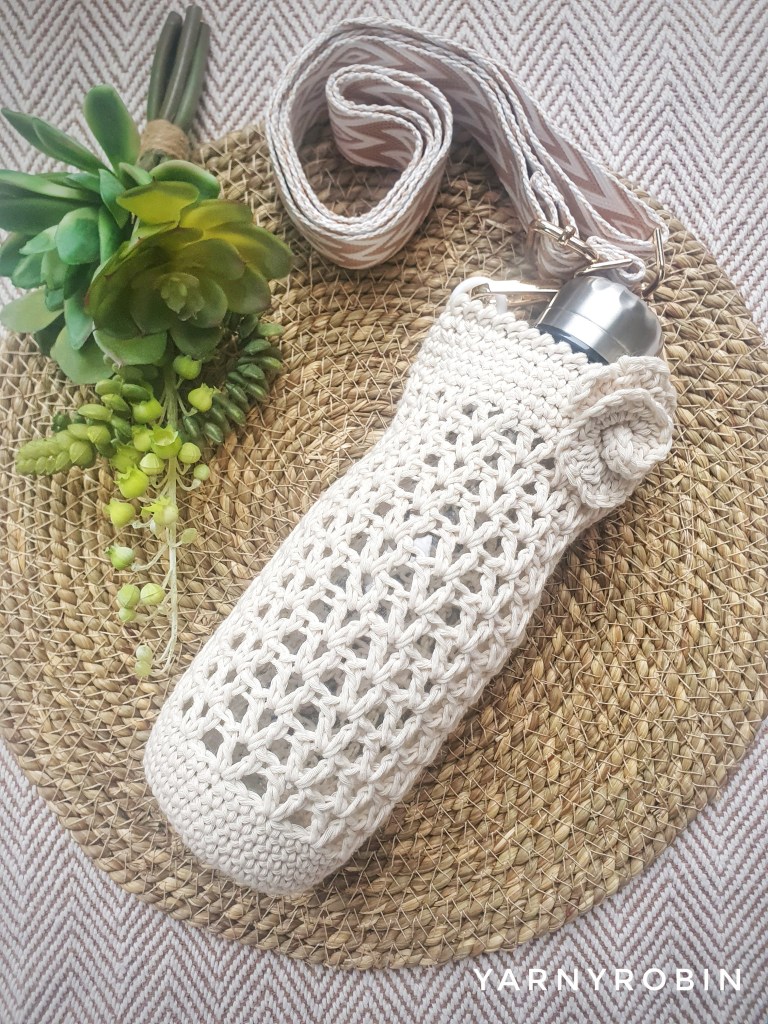
Carrying your water bottle just got easy with this pretty boho water bottle holder crochet pattern.
Made from organic cotton, this water bottle holder is quick and simple to make and comes in two sizes, a junior and an adult holder.
Processing…
Success! You're on the list.
Whoops! There was an error and we couldn't process your subscription. Please reload the page and try again.
They are just perfect for little ones to carry their water bottle to school…no more broken water bottles falling on the floor! You could embroider your little one’s name on to personalise too – If you are a finished piece seller this would be a great unique selling point!!. Or how about a cute Mama and Mini matching make, or maybe swap the water for a bottle of something bubbly and head off to that Summer Festival in style!
The pattern is a written pattern available in both UK and US format and includes pictures and video’s to assist you. There is also a section for customising the size of the holder.
Materials you will need: Organic Cotton 100% It’s Only Natural by Knit Craft by Hobbycraft DK – 50g – per holder Other DK cotton can be substituted. (4.0mm) crochet hook or hook to obtain gauge Tapestry needle scissors Cross body bag strap – instructions are also provided for a crochet strap alternative D rings or rings x2 – 12mm (plastic or metal – to match strap)
Sizes: Junior water bottle holder measures 22cms tall / 11cms wide and fits bottle that measures 23cms tall / 24cms diameter approx. Adult water bottle holder measures 26cms tall / 12cms wide and fits bottle that measures 27cms tall / 25cms diameter approx.
I love the addition of the bag strap made from webbing as they are adjustable; meaning the strap length can be altered to suit the wearer. You can purchase these, ready-made and they come in an array of colours and patterns and prices. I purchased mine from Temu and I am pleased with the quality. Of course, you can make your own webbing straps if you are handy with a sewing machine too and I have some instructions in the pattern if you would prefer to crochet the strap instead.
Processing…
Success! You're on the list.
Whoops! There was an error and we couldn't process your subscription. Please reload the page and try again.
Fancy getting this crochet macaron pattern for FREE…here’s how! Sign up to my email list ready for June’s newsletter and get this perfect macaron pattern for FREE!! I’m thinking Teddy bears picnics and tea parties by the paddling pool
Macarons and cupcakes
Pattern is a written pattern and suitable for beginners with some knowledge of basic stitches. The pattern includes 20 step by step pictures to assist you.
Stitches used are UK – double crochet and slip st (US – Single crochet and slip stitch)
Materials you will need: 4 ply cotton yarn (the pattern recommends Drops Safran but this can be substituted)(3.0mm) crochet hook or other size to obtain gauge although gauge is not imperative. Tapestry needle scissors and small amount of polyester toy filling (fire safety standard / EN71) stitch marker (optional)
Join my monthly email list and get this macaron pattern FREE aswell as 30% off this crochet cupcake pattern- offer valid up to the end of June 2023
Processing…
Success…welcome to The Nest…please allow 24 hours for your email to update
Whoops! There was an error and we couldn't process your subscription. Please reload the page and try again.
Spring is upon us, although I’m bracing for the April showers, which seem to have started early here! Whether you’re looking for a quick Easter make, for that last minute gift or Easter basket filler, I’ve got some patterns to tempt you…and most of them are FREE… Hurrah!
How about this as a sweet Easter basket filler for baby. Using Oeko Tex standard 100 approved 100% cotton in a 4ply; these lovey’s are soft to snuggle and safe to chew on…and are sure to become baby’s best friend.
This luxurious set of reusable soft textured facecloths and squishy scrubbies would make the perfect Easter gift for baby, Mom’s-to-be, or just that special girl in your life. They are quick and easy to make, so are perfect to add that handmade touch to gift baskets.
FREE crochet Spring Printable PDF
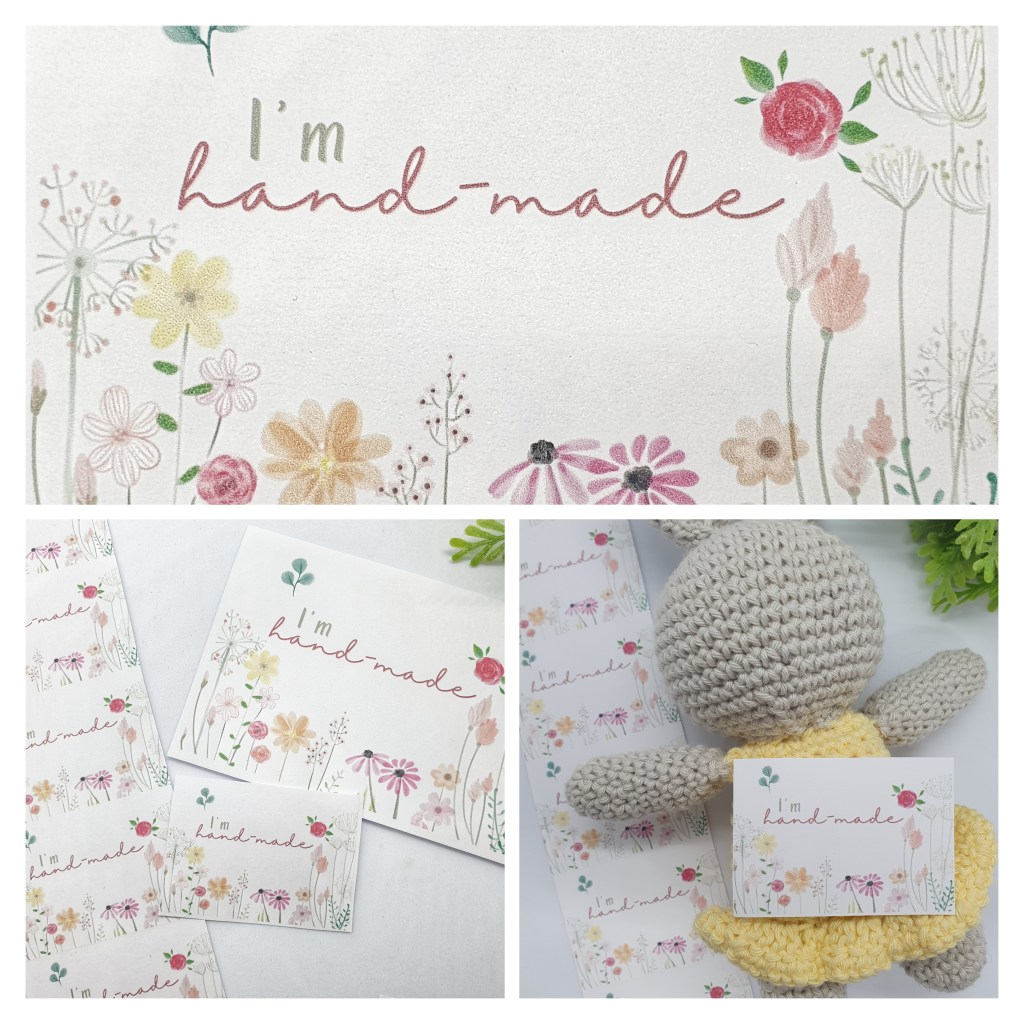
For the month of April 2023 only, if you sign up to my email list, you will receive a pdf for these beautiful spring printable mini tags and postcards, perfect for printing on your choice of card stock (I recommend business card stock) and attaching to your hand-made gifts this Spring / Easter. Please allow 24 hours for your email to update.
Processing…
Success…welcome to The Nest…please allow 24 hours for your email to update
Whoops! There was an error and we couldn't process your subscription. Please reload the page and try again.
Why not hook this beautiful baby blanket, ideal for the spring / summer. A beginner’s introduction to filet crochet, the pattern is free and gives instructions on how to size up for a bigger blanket too!
The simplicity and sweetness of this beautiful Spring tea cosy, makes it quick to make. Suitable for a beginner with a little experience of working in the round, this tea cosy is sure to keep your Easter cup of tea as warm as your freshly toasted hot cross bun!
Don’t forget to pop over to my socials to say hi…I would love to see what’s on your hook. @yarnyrobin
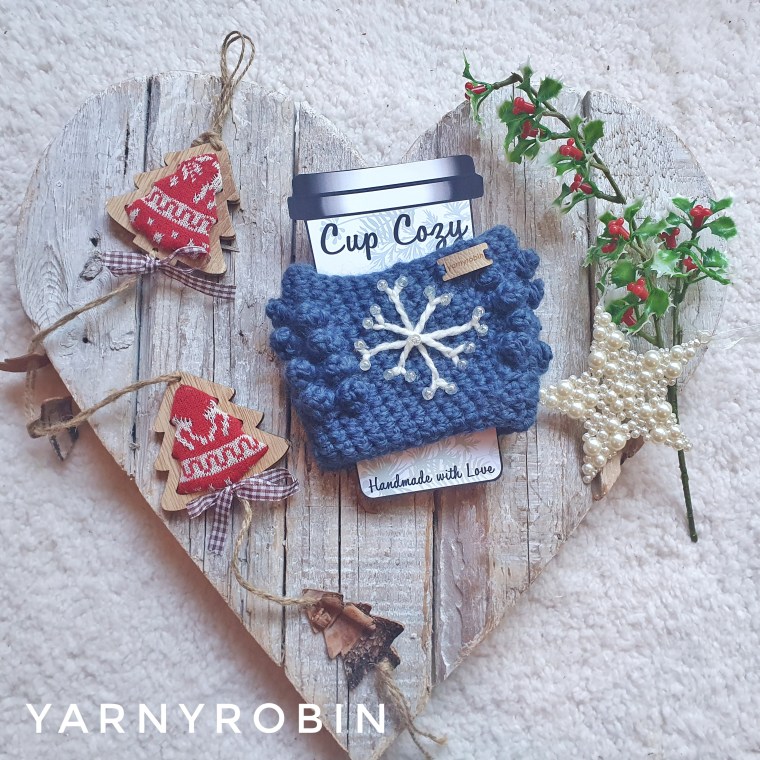
It’s been a while since I gave you a free pattern and I really wanted to share something with you in time for Christmas…I’m not sure I’ve entirely reached my goal as it is already Christmas Eve! Anyway better late than never and the really good news is this takes under an hour to make, so if your stuck for that last minute gift, this is perfect
This striking, seasonal cup cosy features textured popcorn stitches and embroidered snowflake finished with a little bit of sparkle.
You will need:
a small amount of chunky yarn. I used Stylecraft Softies stone washed in Denim and cream.
5mm hook,
darning needle to weave in the ends.
Beads x 17
Glue gun to attach beads or you could sew them into position.
Pattern Notes:
Abbreviations used UK terminology (American terminology in brackets)
At the end of each round join with a slst and ch1. Ch 1 does not count as a st throughout pattern
Repeats are marked by *
To prevent your starting chain from twisting ch 5, remove hook from active loop and insert through 1st ch made
Stitches:
st – stitch
slst – slip stitch
ch – chain
dc – double crochet (sc -single crochet)
Dc2tog – decrease / Sc2tog – decrease (US)
Dc: Insert hook into chain or under both loops of stitch, yarn over and pull through so there are 2 loops on hook, yarn over again and pull through both loops on hook.
PC: Popcorn st –5dc in same st, pull up active loop on your hook and remove hook, insert hook in 1st dc (just count back 5dc), catch the active loop of the 5th dc, draw the active loop through 1st dc
Dc2tog – decrease st worked over 2 stitches: insert hook under both loops of stitch, yarn over and pull through so there are 2 loops on your hook, insert hook into next st, yarn over and pull through so there are 3 loops on your hook, yarn over and pull through all 3 loops.
Let’s go!
Ch30 (or adjust chain to fit your cup, just keep ch a multiple of 2)
Join with a slst to form a ring
Round 1: dc in 1st st and in each st around (30dc)
Round 2: dc in 1st st and in each st around (30dc)
Round 3: repeat round 2
Round 4: dc in the next 10sts, *PC, dc* to end of row
Round 5: dc in 1st st and in each st around (30dc)
Round 6, 8 & 10: repeat Round 4
Round 7, 9 & 11: repeat Round 5
Round 12: repeat Round 5
Round 13: dc2tog, dc in each st around (29dc)
Round 14: dc2tog, dc in each st around (28dc)
Round 15: dc in 1st st and in each st around (28dc)
Weave in any loose ends.
In accent colour yarn, hand embroider a simple snowflake. Embroider a simple cross and then add a diagonal cross. Now add a ‘v’ to the end of each point. Weave in any loose ends. Add a bead to each point around the snowflake and one in the centre. Beads can be hand sewn for security or glued into position with a hot glue gun!
I haven’t got much spare time at the moment, but I wanted to give you all a little Christmas present to say thank you for stopping by and supporting me over the last year…I really appreciate every one of you that reads my posts, likes my posts or leaves me a comment, so I thought a little free Christmas crochet pattern would be the perfect gift for you.
this post contains affiliate links, which means if you choose to purchase through them, i earn a small commission at no extra cost to you, which helps to support this blog.
It’s been a while since I gave you a free pattern and I really wanted to share something with you to celebrate Valentines / Galentines Day, which is only a couple or so weeks away now.
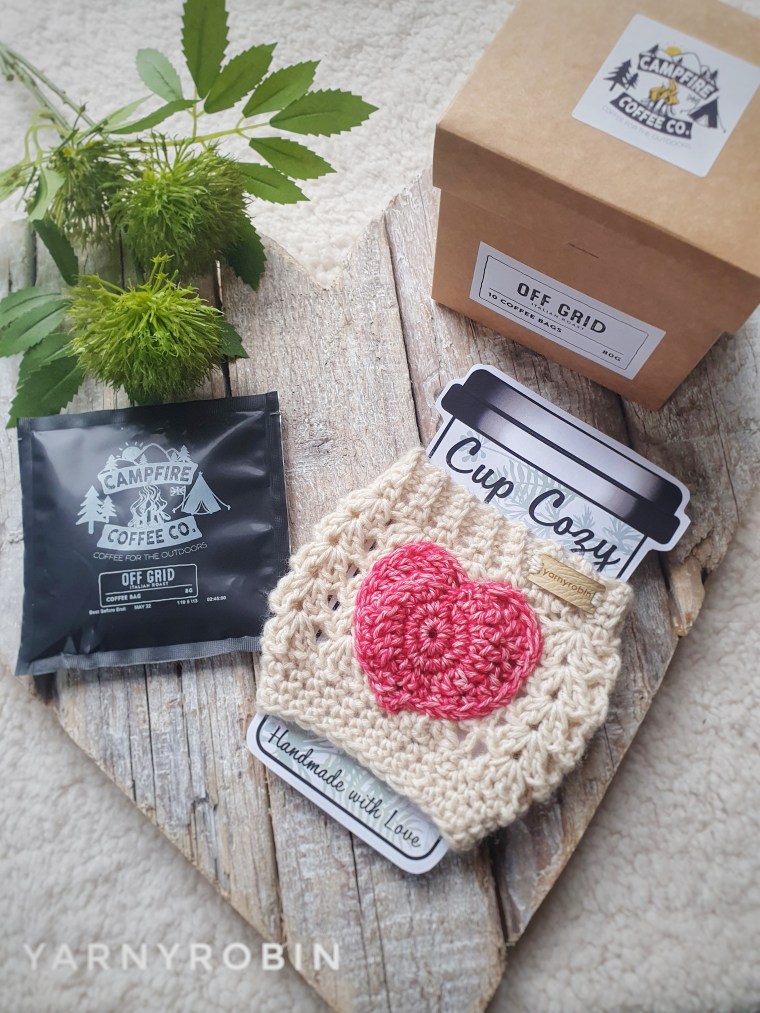
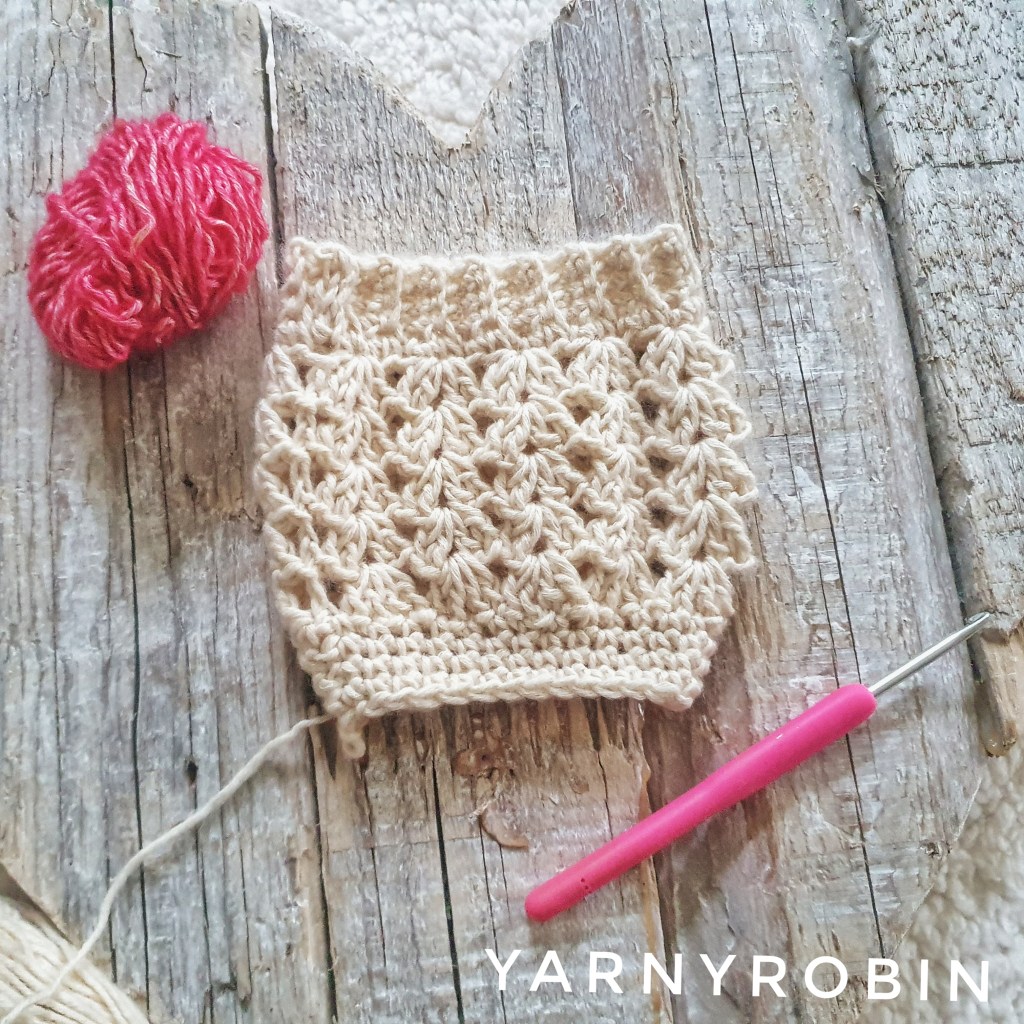
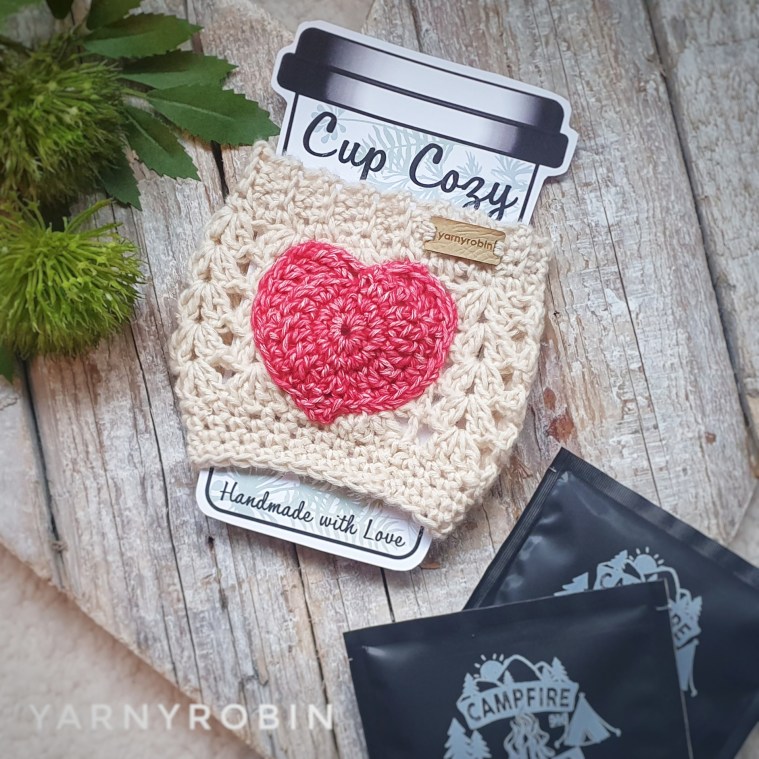
This cute coffee cup cosy has a cute ribbed top brim and a chic lacy body made from clusters of v stitches, before nipping in at the base with a band of double crochet stitches and being finished with a yarny little heart.
The pattern is simple and quick to hook up and can be made from stash… just perfect for gifting and treating your best friends with or of course yourself! They are also great sellers at markets, so if you are a finished piece seller, they make a great low-cost, high-appeal item for fairs and craft markets.,
You will need:
a small amount baby / sport weight yarn. I used Scheepjes stone washed in Moon Stone and Red Jasper. Pattern does share how to make cosy smaller or larger, so dk yarn will work also.
Turning ch does not count as a st unless otherwise stated
V cluster st – in same st, 2tr, ch1, 2tr (in same st 2dc, ch1, 2dc)
We will start by making the ribbed brim.
Ch5
Row 1: Dc in second ch from hook and in each st along (4dc), ch1 turn,
IN BACK LOOPS ONLY
Row 2: Dc in each st along, ch1 turn (4dc)
when making the rib, crochet into the back loop of each stitch only as shown.
Rows 3 – 33: repeat row 2 (increase or decrease rows in rib to fit around your cup. Rib number of rows must however be a multiple of 3, remember the cosy will stretch) join rib ends with a slst to form a circle, ch1
Round 1: work 33 dc into top of rib, ch2 (or dc the equivalent number to rows in your rib eg/ 30 rows in rib then 30dc in row 4)
Round 2: * v cluster in 1st st, miss 2sts,* repeat * – * to end of round, join with a slst in top of ch2 (11 v clusters)
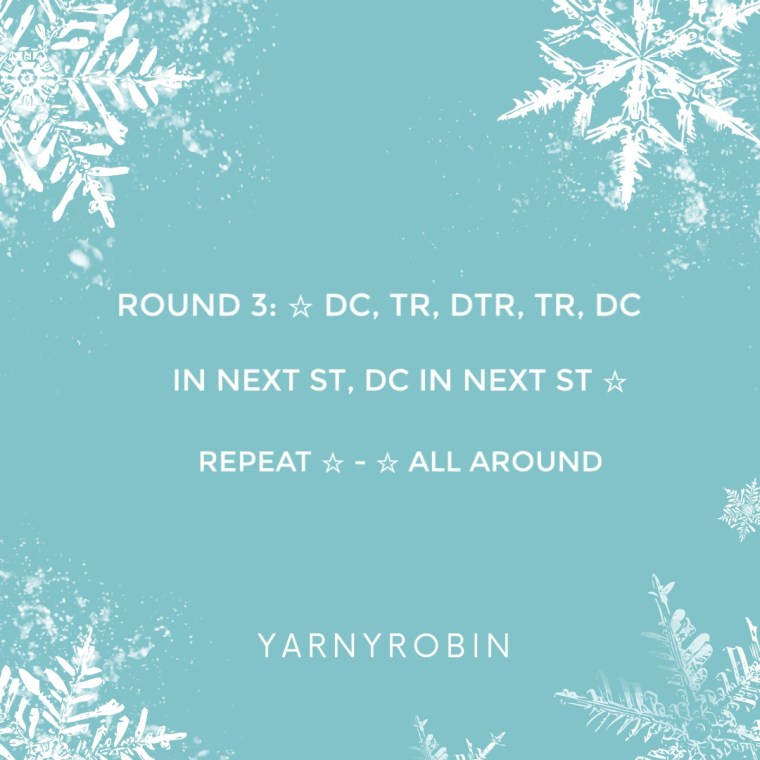
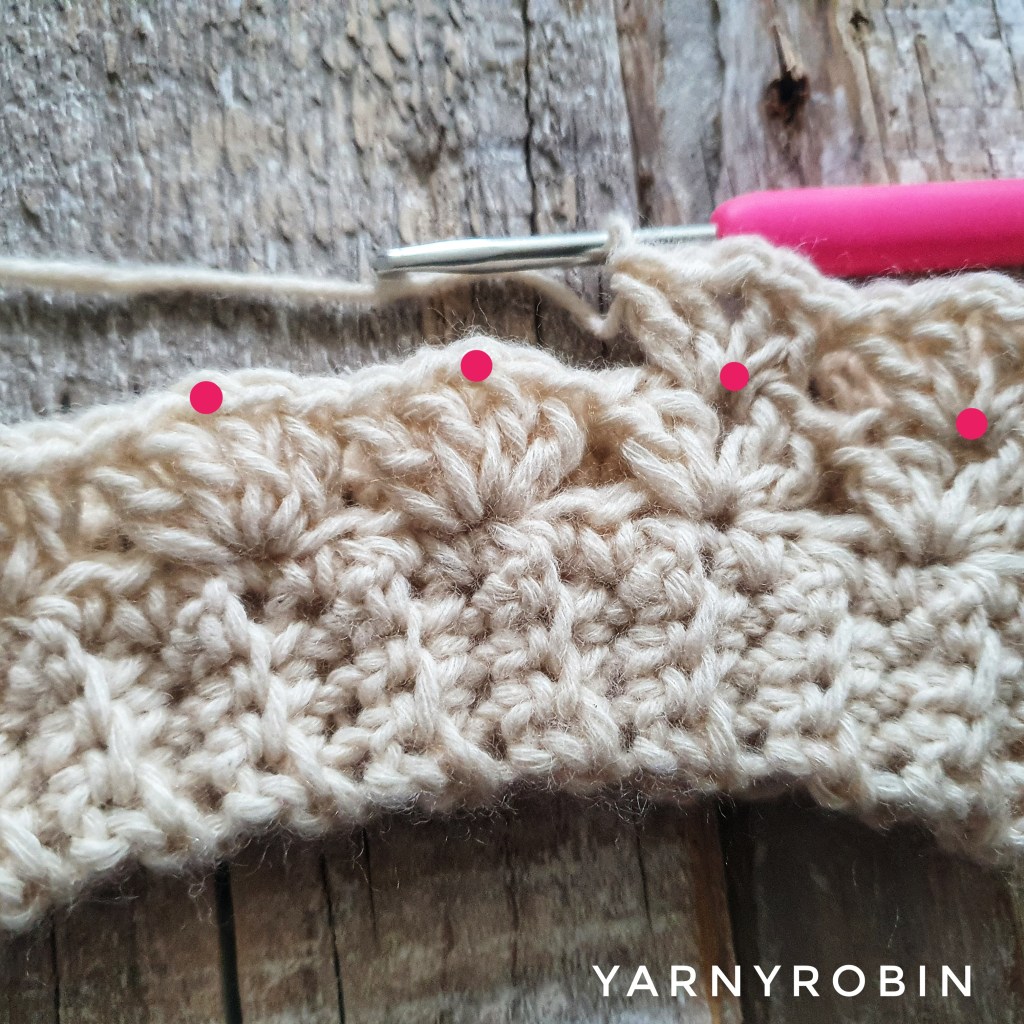
Round 3: ch2, *v cluster in ch 1 of previous round* see picture below. Repeat * – * all around, slst in top of ch2
Round 4 – 6: repeat round 3
Round 7: ch1, dc in first st, *miss a st, dc in next st* repeat all around, slst in top of ch1 (29dc)
Round 8 – 10: ch1, dc in each st around, slst in top of ch1 (29dc) fasten off at end of round 10.
In accent colour make heart. If you would like more of a photo tutorial for this click here otherwise follow the instructions below.
Ch2
Round 1: 10dc into 2nd ch from hook, slst in to top of 1st dc form a circle
Round 2: Ch 1, 2dc into each st around (20dc)
Round 3: Ch4 (counts as a dtr), 1dtr in the next 3 sts, 1tr in next 4sts, 1htr in next st, dc in next st, ch3, slst into same space (this creates a picot), dc in next st, 1htr in next st, 1tr in next 4 sts, 1dtr in next 4 sts, slst in to ch1 of beginning ch4.
Round 4: ch4 (counts as a dtr), 3dtr into next 3sts, (these are actually the chains from previous round) 1tr in next 3 sts, 1htr into the next st, 1dc in next 4sts, slst in picot space, ch3, slst in to same space (picot made), 1dc in next 4 sts,1htr in next st, 1tr in next 3 sts, 1dtr in next 4sts,
slst in to the cleft of the heart to finish. Fasten off leaving a long tail and sew to cosy, weaving in any loose ends.
Now, just make as many cosy’s as you have best friends or just make one for yourself!
Isn’t she lovely, isn’t she wonderful. Isn’t she lovely made from love
Lionel Ritchie
Let me start by saying I simply loved hooking every stitch of her. Isn’t she just adorable. I made her for a lovely sidekicksista aka a beautiful crafty friend. I can’t wait to hook another crochet angel. I would love to gift some more and make one for myself too.
The pattern is certainly not for beginners and it took a little deciphering, however it is a beautiful pattern that did not disappoint. I have never hooked with such a small hook before, a 2.5mm! That also took a little practice. The pattern states to hook with a fingering weight yarn held double stranded and gave a lovely denseness to the fabric of the doll.
I love everything about this angel, from her crazy curly hair to her button fastened limbs and little blush cheeks (which were ridiculously good fun to paint on)
Welcome to you, if you used to stop by here and spend some time with me, it’s good to have you here. And if this is your first time here, you are very welcome. Please stay, grab a cuppa and I will tell you what has happened here at the nest whilst the world has gone crazy!
It is sooooo good to be back here, in this lovely spot of the cyberspace. I have not dropped in for so long, but the time is right to start writing again. I think we can all agree that the world has changed so much over the last couple of years with Covid.
How are you?
Really, how are you? let me know in the comments below, I would really love to catch up with you.
I’ll start with a little nest update and then share my hooky plans for this year…I’ve got lots planned. So, if you want to skip the nest update and jump straight to the crochet, skip the next couple of paragraphs…I don’t mind.
The big news is the little Robins are not so little anymore and are now 18,17 and 14 years old… yep! how does that happen so quickly? The eldest is teetering on the nest edge and has pretty much fledged…I am full of pride and fear all rolled into one.
Our Alfie…
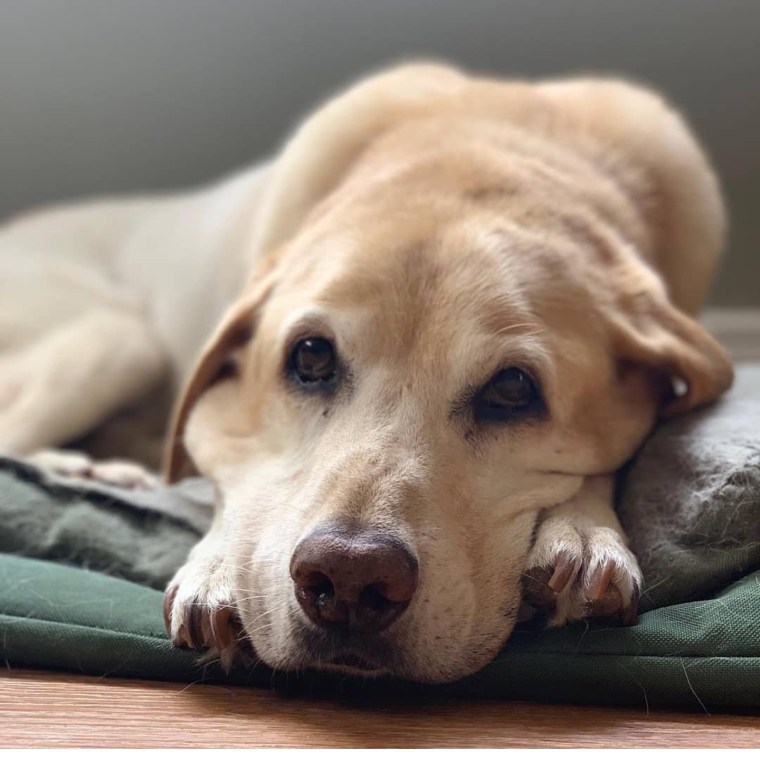
Our saddest news occured in October when we had to say a very hard goodbye to our beloved labrador, Alfie. He was the grand old age of 15 years, 9 months and 6 days old, when rainbow bridge finally called him. We buried him in our garden and I miss him so much. He will be in our hearts forever.
Little Jess was so good and seemed to understand where her pal had gone, but it wasn’t long before Mr R suggested we should find her another buddy as she has never been on her own before.
I felt like it would be a betrayal and couldn’t settle the idea in my heart. A couple of months later, Mr R had found a lovely little chap and had called to see if he was still available, but had to leave a message. That night as we waited for a call back, Alfie came to me in a dream and licked my hand. The following morning the lady called and said the handsome little fella was still available and we went to fetch him home… it felt with Alfie’s blessing.
Introducing Duke…
Let me introduce you to Duke, he is now 16 weeks old. He’s a cheeky chappy, who loves a cuddle and to zoom about the house. His Mother is an Italian greyhound and his Dad is a Beddlington terrier / Whippet mix, so he shouldn’t grow too much bigger. He has settled well and Jess seems to approve. Life has a way of being heartbreakingly, beautiful and hope is everywhere, if you just look for it.
So, you are up to date largely. Lockdown was full of Mr R renovating the garden whilst I worked through. I have impressively pinned an enormous amount to my pintrest boards, oh! and have wrestled a large dose of unwanted anxiety. I didn’t do a great deal of crochet, other than orders, which I was grateful for.
My big plan this year though is to get back to blogging and pattern writing and sharing it with you. That is what I enjoy and have come to realise, I have missed. My baby Etsy shop has been great fun over the last couple of years; and to my suprise has been quite successful. However, I have made the decision to make it a pattern shop as of now. There are several reasons for this, the first and main one being time!
Whilst crocheting to order is great and has been very satisfying it leaves me zero time to write patterns and to crochet other things…like the crochet angel at the top of this post (I will post about this separatley). I also don’t want to have to deal with orders getting lost in the mail (this seemed to happen several times last year).
So a pattern shop it is…and that, well that makes me happy, very happy indeed. I have lots of ideas and I have missed being here…it may be a bit old school but I aint’ getting tiktok and reels!
my toasty ear flap hat
This is what I am currently writing up…’my toasty earflap hat’. It will be available in sizes newborn to large adult. I made this one for me, for the bitingly cold dog walks I am taking every day. It is so warm and toasty, hence the name. It is perfect for those cold winter days and I’m looking forward to making it available.
I still need a couple of pattern testers, so if you have some aran yarn in a couple of colours (less than 100g) and you are able to turn this around within the next week or so, drop me a message. You would need to provide me with some good quality photo’s and in return I will send you the fully edited pattern.
Anyway, I’ve rambled enough. Now it’s your turn…let me know how you are doing by leaving a message below.
If you have read my previous posts you will know we are awaiting the birth of a precious niece any day soon. Little did we plan the birth of someone so longed for and precious in the middle of a global pandemic and a national lockdown!
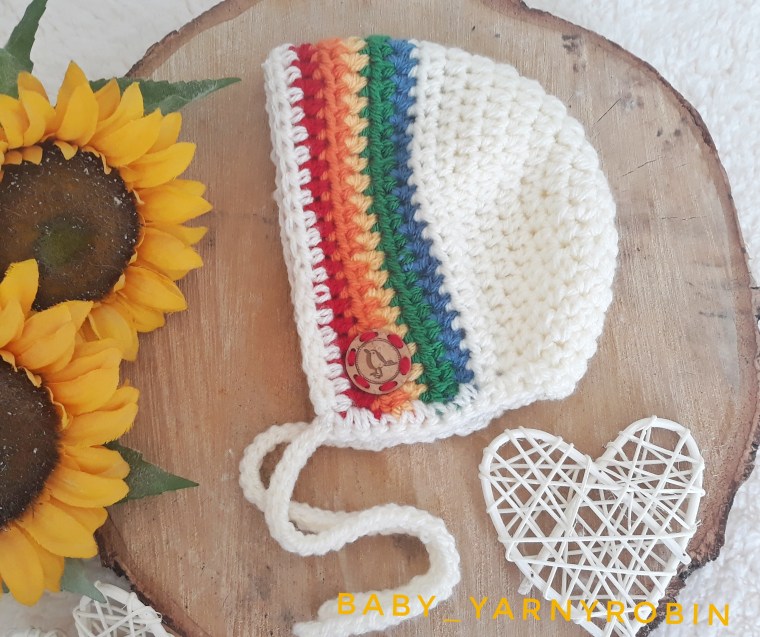
However, the rainbows that adorn the windows of homes all across the country and that have become the symbol of communities united and a sign of thanks and of hope over the last 8 weeks or so, have inspired me to hook something for babies born in lockdown.
You probably could have guessed it would be a bonnet…they have become my favourite things to make!
What do you think?
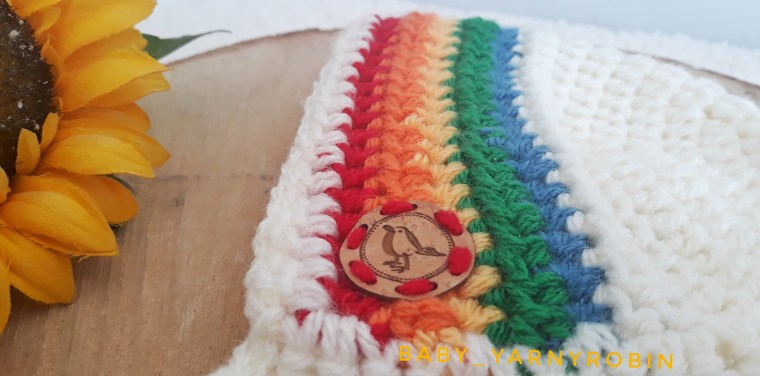
These are available to buy in my shop…just click the picture and you will be magically transported there. Or if you fancy hooking your own, you can purchase the pattern from my shop too…the pattern is for the basic bonnet so you would just have to change your yarn to the rainbow colours in the last 6 rows (the last row been the main colour of the bonnet). The ears are optional! Of course if your not sure just pop me a message.
I have had a lot of love for these and have just sold one to a lovely Mama who is expecting a rainbow baby (a baby born after pregnancy or child loss) and one to a Mama to be who wants to use it as part of her pregnancy announcement.
I really do feel so privileged to make bonnets and hats and to help create special memories for parents and carers.
























 Crochet blog