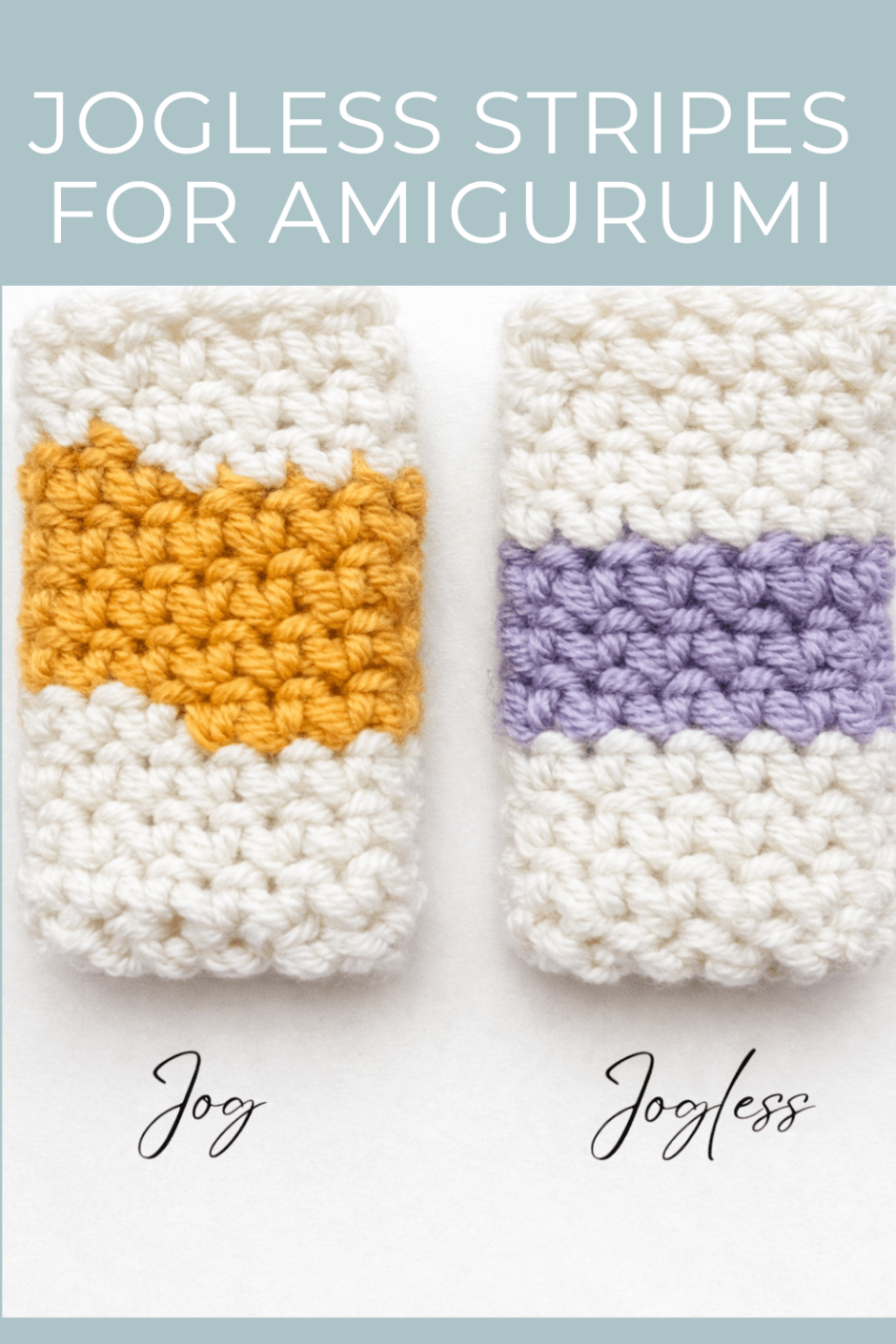
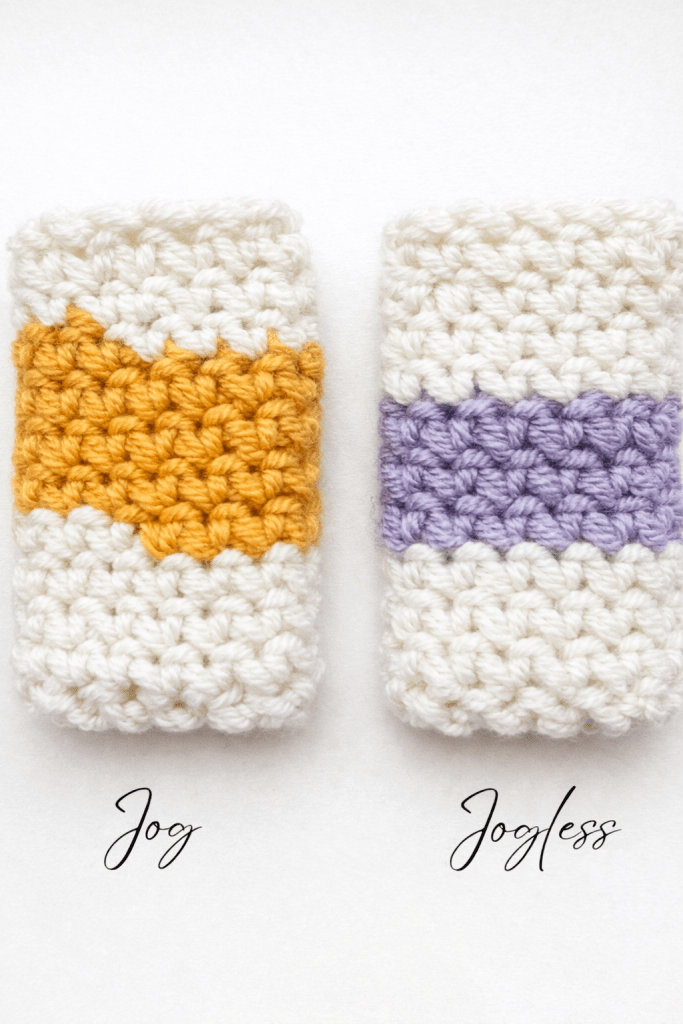
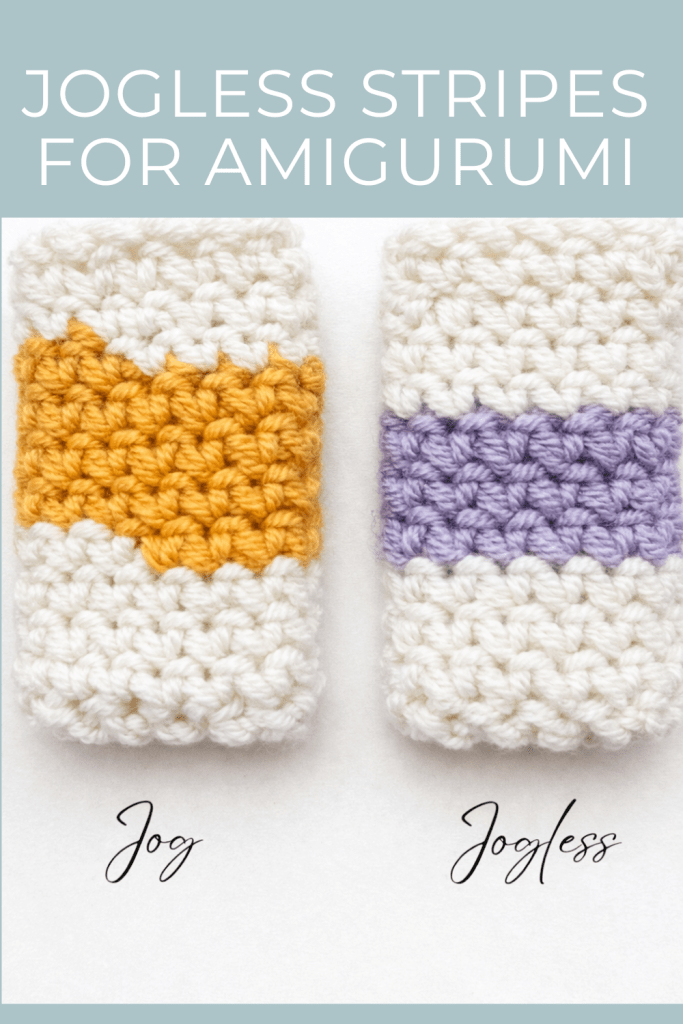
If you’ve ever added colour changes to amigurumi and spotted a visible step or “jog” where the stripe joins, you’re definitely not doing anything wrong. It’s a really common crochet quirk. This is especially true in small, tightly stitched amigurumi. However, it can be a little annoying once you notice it. That tiny step can make your stripes look less smooth and slightly more homemade than you’d like, particularly on high-contrast colour changes or gift-worthy pieces.
The good news? There’s a simple way to create smooth, jogless stripes in amigurumi that instantly makes your work look more polished; and I’m going to share with you how I do it.
Why Do Stripes Jog in Amigurumi?
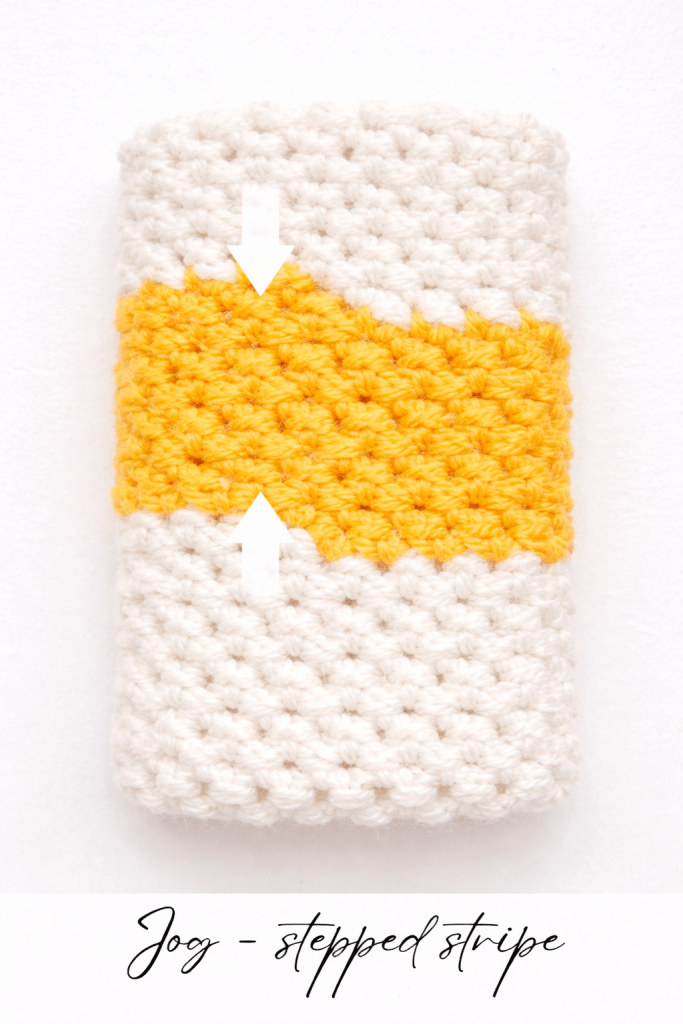
Amigurumi is usually worked in continuous spiral rounds (without joining). Because crochet stitches naturally lean, colour changes slowly drift upward, creating that stepped look.
This is most noticeable when:
Using contrasting colours
Making narrow stripes
Working on small plushies
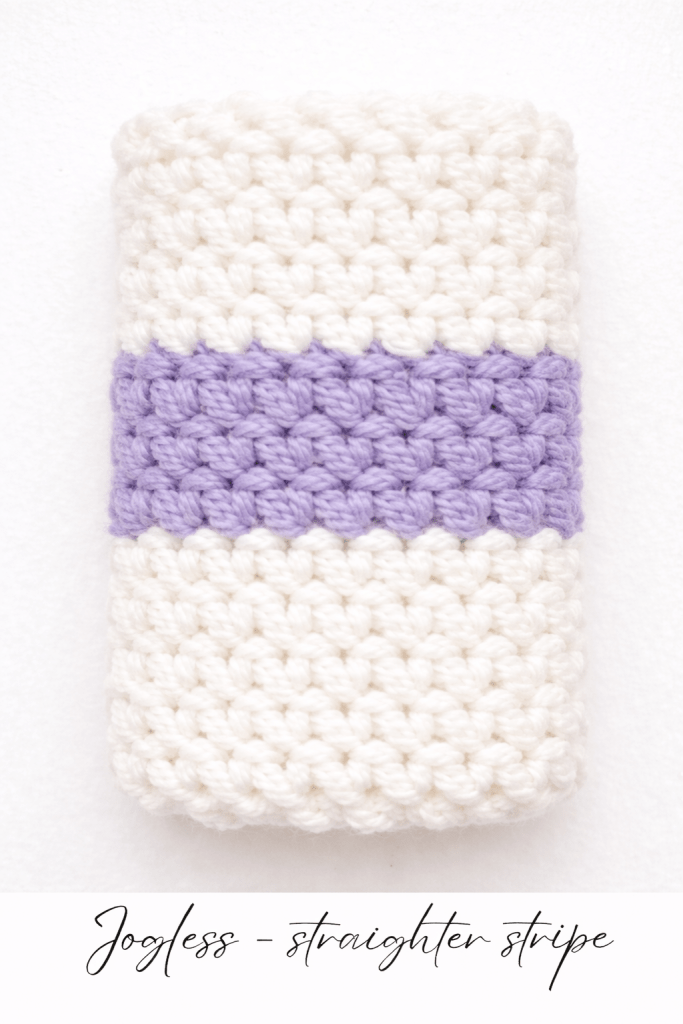
A jogless stripe technique helps visually realign the colour change, even though you’re still crocheting in a spiral.
Crochet swatch showing a stepped jog in a yellow stripe worked in the round, with white arrows highlighting where the colour change shifts between rounds.
When to Use a Jogless Stripe Technique
This method is perfect for:
Amigurumi toys
Crochet plushies
Striped limbs, bodies, and accessories
Any project worked in continuous rounds where colour changes matter
How to Crochet a Jogless Stripe in Amigurumi (UK Terms)
Step 1: Finish the Last Stitch of the Old Colour
Work the final stitch of the round until the last yarn over.
Step 2: Change to the New Colour
Yarn over with the new colour and pull through to complete the stitch. This ensures the stitch belongs to the new colour.
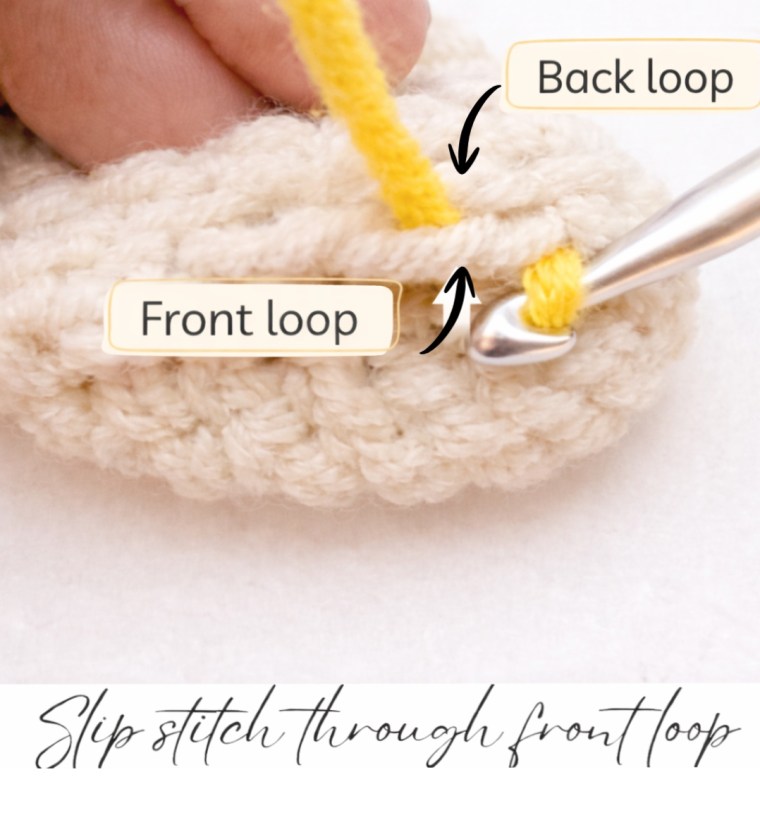
Step 3: Slip Stitch in the Front Loop
Slip stitch into the front loop only of the next stitch using the new colour. This counts as the first stitch. This is the key step that softens the jog.
Step 4: Continue Crocheting as Normal
Carry on crocheting in continuous rounds, working into both loops as usual unless your pattern says otherwise.
Why the Front Loop Slip Stitch Works
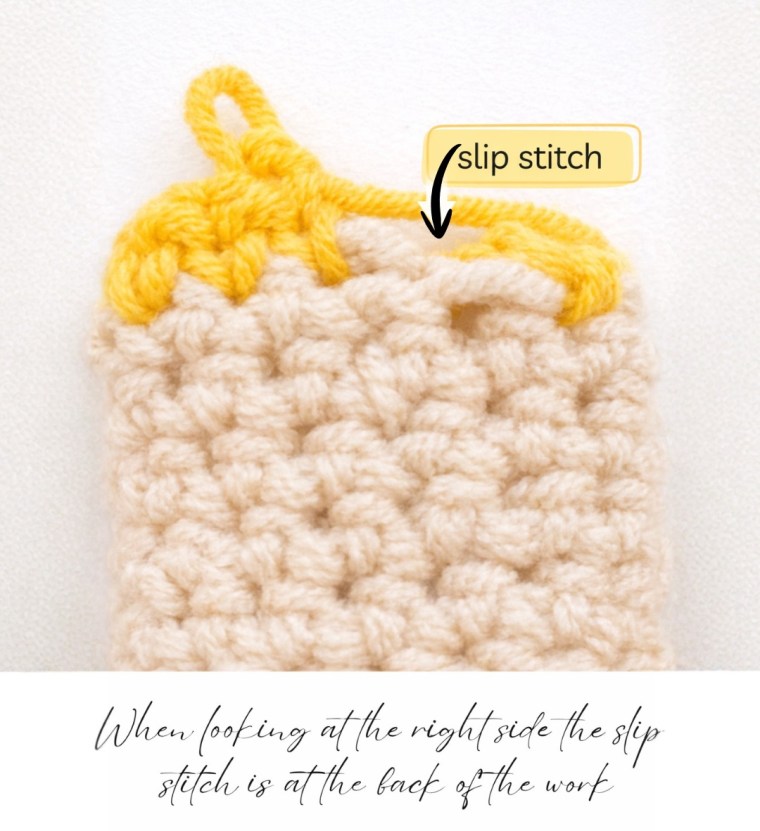
The front loop sits inside the amigurmi, meaning the join visually lies towards the back of the work when viewed from the right side.
Slip stitching here subtly pulls the colour change backward
This visually levels the stripe without disrupting shaping
It’s especially effective on tightly stitched amigurumi fabric.
Tips for the Neatest Stripes
Keep the slip stitch relaxed, not tight
Place a stitch marker in the slip stitch to remind you that this counts as your first stitch
Always place slip stitch in front loop and work rest of stitches in both loops unless the pattern states otherwise.
Use this technique only at colour changes, not every round
Common Mistakes to Avoid
Slip stitching through both loops (less effective)
Not counting the slip stitch as the first st of the round
Pulling the slip stitch too tight
Forgetting you’re still working in a spiral
Final Thoughts
This jogless stripe method is a brilliant little finishing trick — subtle, simple, and perfect for amigurumi. It keeps your stitch count steady. It gives your stripes a cleaner, more intentional look, helping to level up your work — ideal for market stock, custom orders and gifting.
Save this post for later so you can come back to it whenever you’re adding stripes to your makes
If you have enjoyed this post you can help support what I do by
• leave me a like or a comment below
• Join me here and hit follow so you don’t miss new free patterns and all the crochet goodness I share along the way.
Best-Selling Crochet Items That Shoppers Actually Buy
this post contains affiliate links, which means i may earn a small commission if you purchase via them, at no extra cost to yourself. This helps to support this blog.
Spring craft markets are some of the loveliest to prepare for — lighter yarns, softer colours, and shoppers who are ready to browse, linger, and treat themselves after winter.
But if you’ve ever sat staring at your yarn stash wondering what on earth should I make, you’re not alone.
When time, yarn, and energy are limited, the goal isn’t to make everything — it’s to make the right things. Items that are quick to produce, easy to price, and genuinely appealing to spring market shoppers.
This guide shares tried-and-tested crochet items that consistently sell well at spring craft fairs. There are also practical tips to help you present, price and stock your table without burning out.
I’ve organised this post into easy sections. These include small giftable makes, baby items, and spring home décor. Other sections cover light wearables, taking orders using samples, and pricing crochet fairly. I also discuss how to help customers understand the value of your work without over-explaining, as well as tips on stocking your table. I have also included a FREE Mini Market Bundle printable. It comes with an order form and handmade labels, look for the sage coloured box below to download. Feel free to skip straight to the parts most helpful for you.
Small, Giftable Crochet Items (Your Spring Staples)
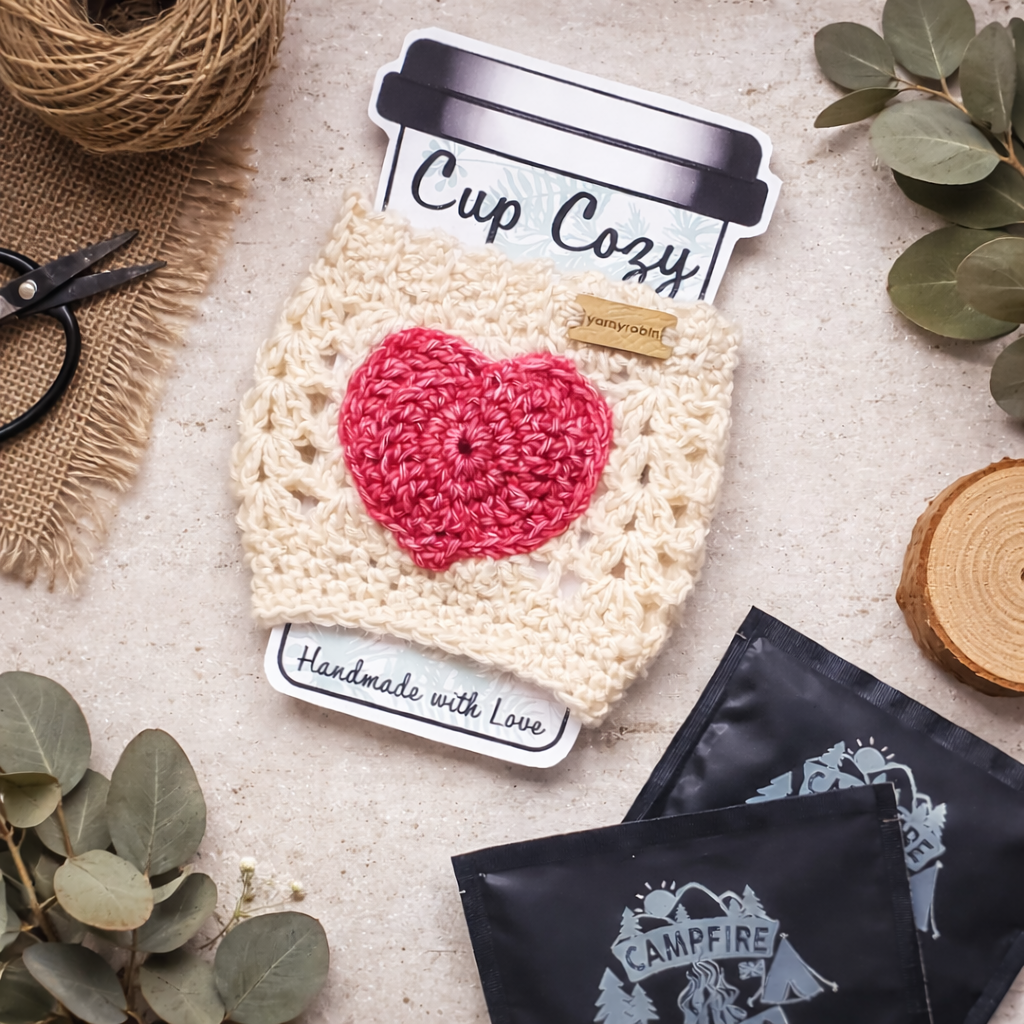
crochet cup cozy patterns
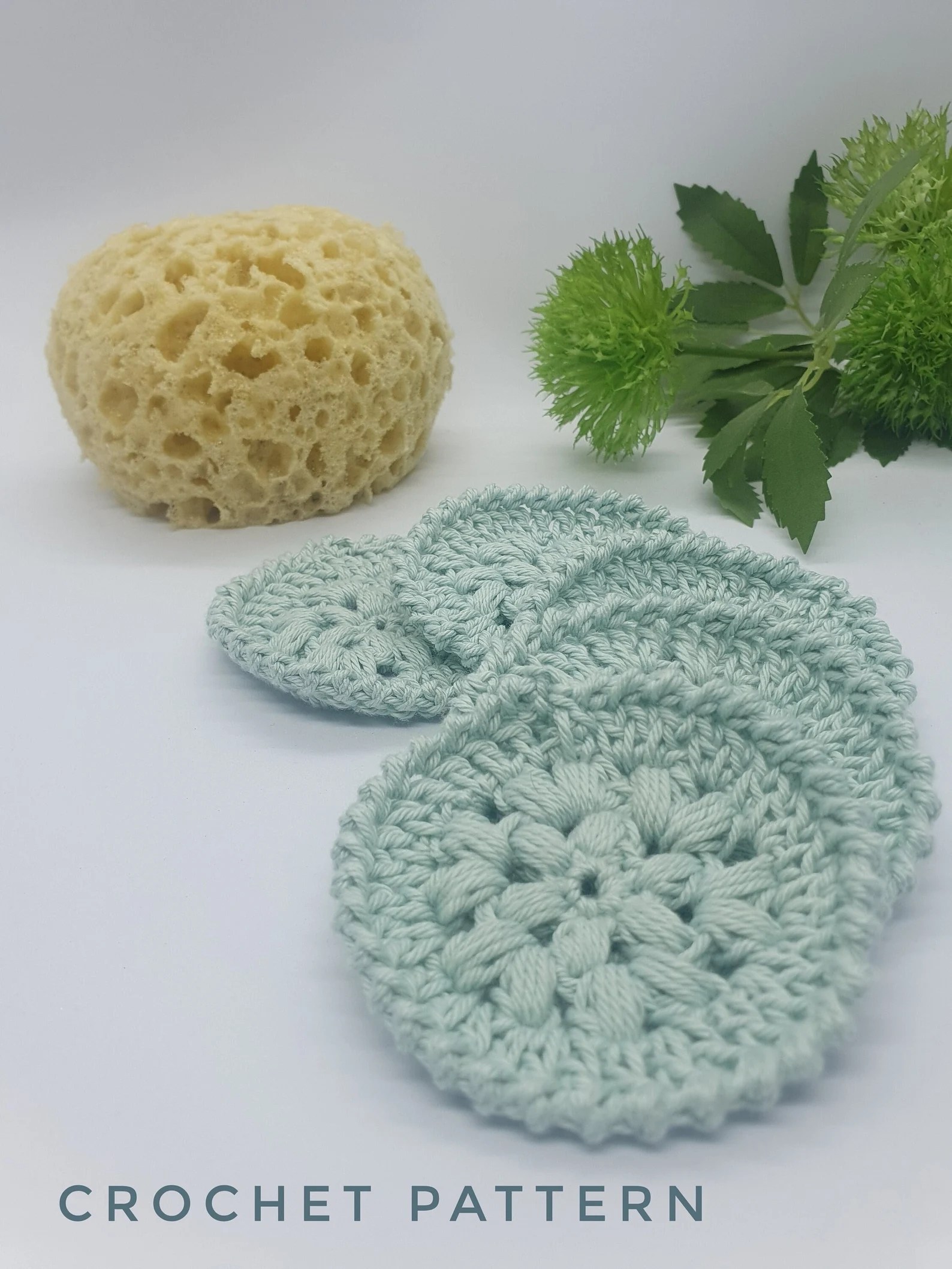
crochet scrubbie pattern
Crochet bag charm patterns
Small crochet items are often the quiet heroes of a market stall.
They’re affordable, easy to gift, and perfect for shoppers who want “just one little thing” — which often turns into two or three.
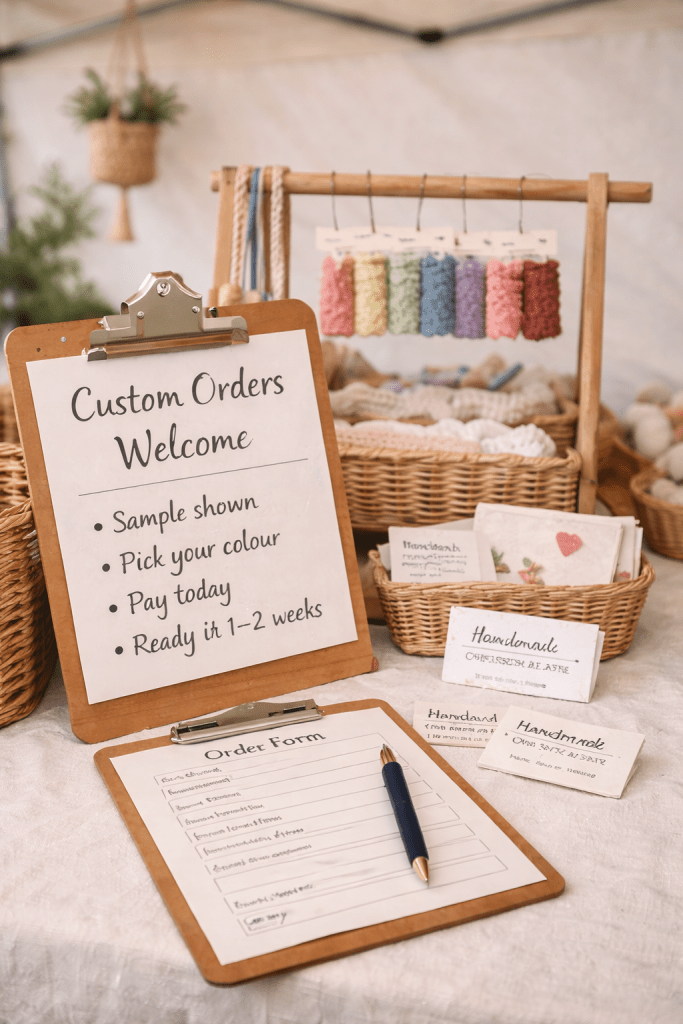
Using Sample Pieces to Take Orders (Without Overloading Your Stock)
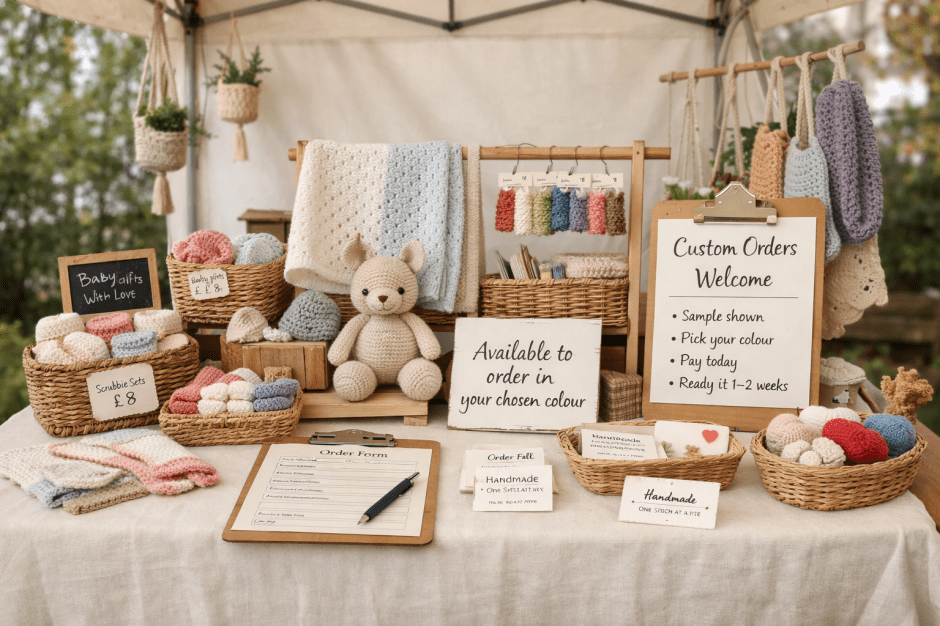
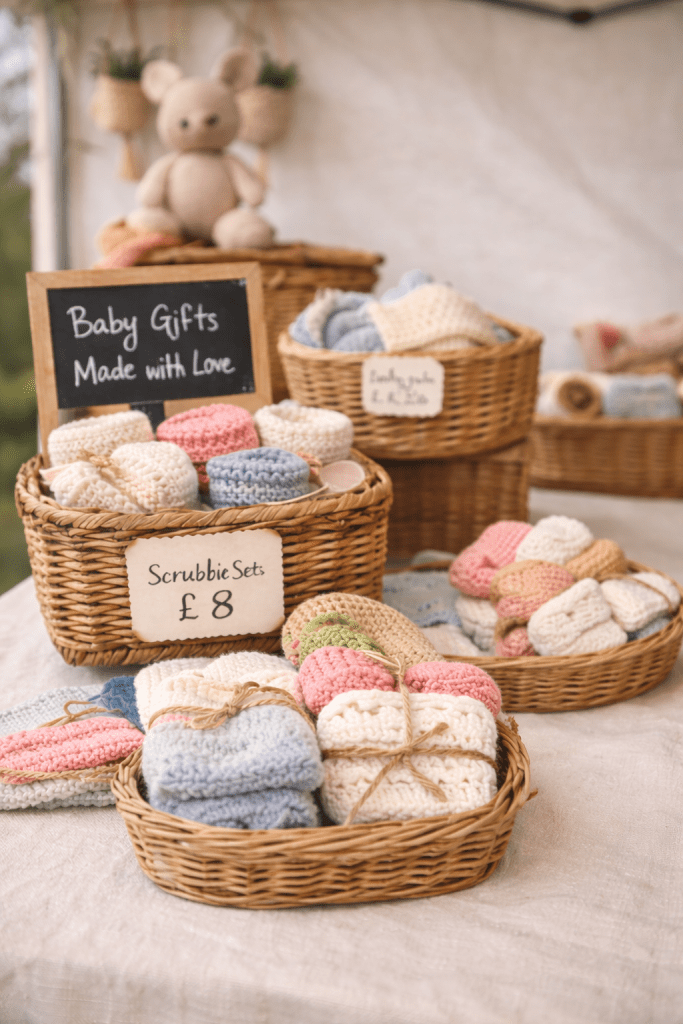
crochet market stall
One of the smartest ways to prepare for a spring craft market is to use sample pieces and take orders, rather than trying to pre-make every size or colour.
Instead of filling your table with multiples, you can display:
One finished sample
Clear colour options (small swatches or photos)
A sign stating that the item is made to order
This approach works especially well for:
Baby blankets
Cardigans or jumpers
Larger plushies
Home décor items in custom colours
Take payment at the time of order
Taking full payment when the order is placed keeps things clear and professional for both you and the customer. It confirms commitment, avoids awkward follow-ups, and ensures you’re not left out of pocket for yarn or time.
Be clear about:
What the customer is ordering
Their chosen colour or variation
Your estimated turnaround time
Get you FREE Market Prep Mini Pack below and stay professional and organised on the day
Screenshot
Decide how orders will be delivered
Before the market, decide how you’ll deliver finished orders and make this clear at the point of sale.
Common options include:
Postal delivery (build postage into the price or charge separately)
Local collection if appropriate
If offering local collection, always put personal safety first. Choose public, well-lit locations, bring someone with you where possible, and never feel pressured to share private details. It’s absolutely fine to limit collections or offer postal delivery only.
A simple sign such as “Sample shown — available to order in your chosen colour” reassures shoppers. It opens the conversation naturally.
Pricing Crochet Fairly at Spring Craft Markets
Crochet takes time, skill, and physical effort — and it deserves to be priced accordingly.
While it can be tempting to lower prices to “compete,” consistently under-pricing handmade work benefits no one. Fair pricing protects your time, your body, and the long-term sustainability of your craft.
Rather than focusing on being cheap, focus on being well-made, intentional, and clearly valued.
A more realistic pricing framework (UK)
These are starting points, not limits — and your prices should always reflect your materials, time, and experience.
Small crochet items (hair accessories, keyrings): £6–£10
Bundled gift sets (2–3 coordinated items): £12–£25
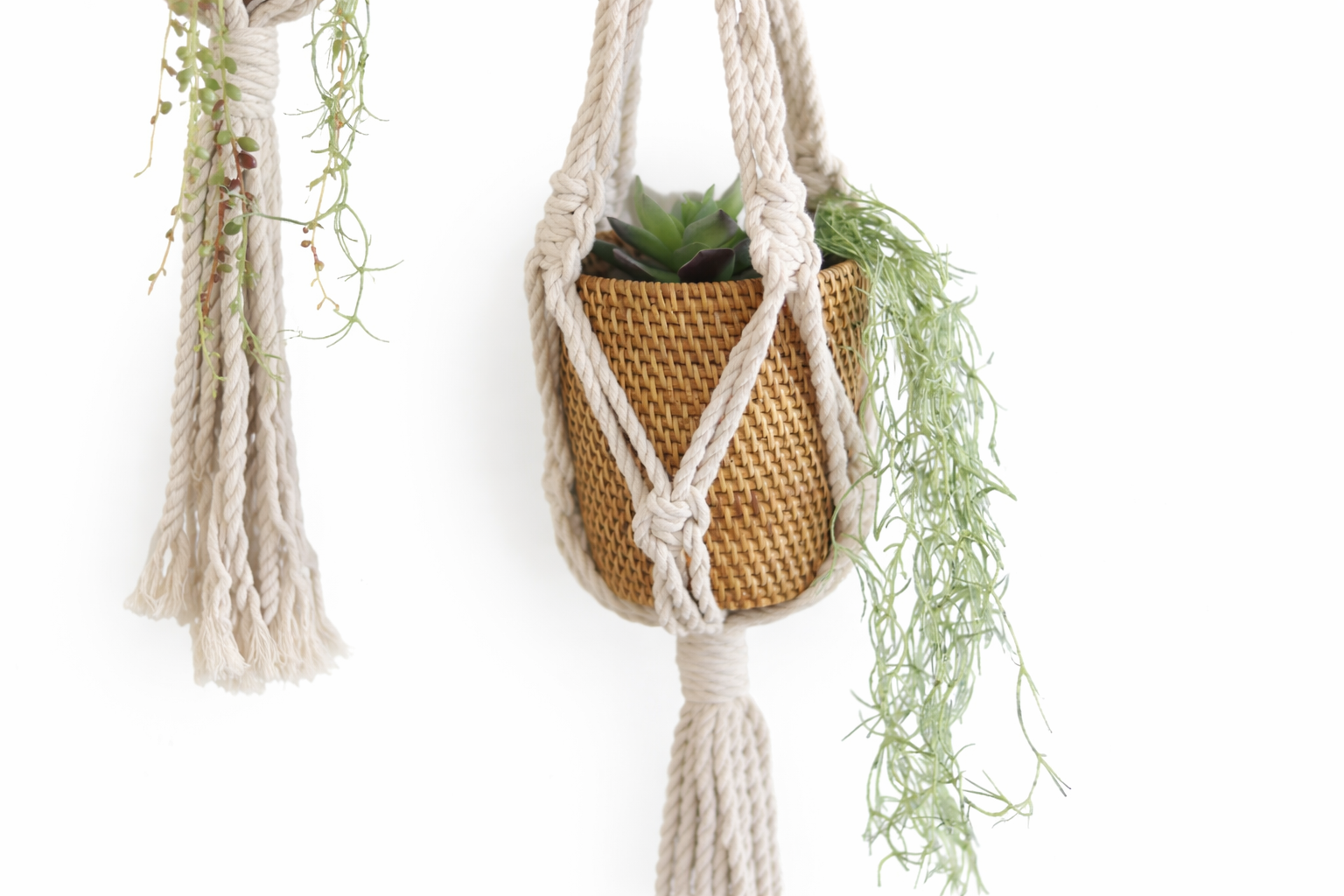
Home décor & accessories (plant hangers, coasters, baskets): £18–£40
Wearables & made-to-order pieces: £25–£60+
If those numbers feel uncomfortable at first, that’s often a sign we’ve been conditioned to underprice. It doesn’t mean they’re unreasonable.
Why higher pricing often works better
Shoppers at craft markets expect to pay more for handmade
Fewer sales at a fair price can be better than many sales at burnout prices
Clear pricing signals confidence and professionalism
Your work stands out as considered, not rushed
A Gentle but Important Word on Pricing & Experience
If you’re a newer crocheter, it’s completely normal for your work to still be finding its rhythm. Your tension may be uneven. Amigurumi stitches might be a little holey. Or, baskets may not yet hold their shape as intended. We’ve all been there.
That doesn’t mean you shouldn’t sell your work. However, it does mean pricing realistically. Set prices that are appropriate for your current skill level.
Pricing beginner-level pieces at the same price as highly refined, professional-quality crochet can lead to disappointment. Customers may feel let down, and you could experience frustration. Craft market shoppers may not have the technical language for what they’re noticing. However, they can usually sense differences in finish. They can also detect variations in structure and polish.
Being realistic protects everyone involved.
If you’re just starting out:
Price accessibly while you build confidence and consistency
Choose simpler designs that showcase neatness rather than complexity
Treat markets as valuable experience, not just income
As your skills grow — and they will — your pricing should grow with you.
Equally important: Don’t let being a beginner stop you from taking part. Selling your work, receiving feedback, and building confidence are all part of becoming a skilled maker. Every experienced crocheter started exactly where you are now. The goal isn’t perfection — it’s progress, honesty, and pride in what you’re offering.
Help customers understand the value (without over-explaining)
Simple cues make a big difference:
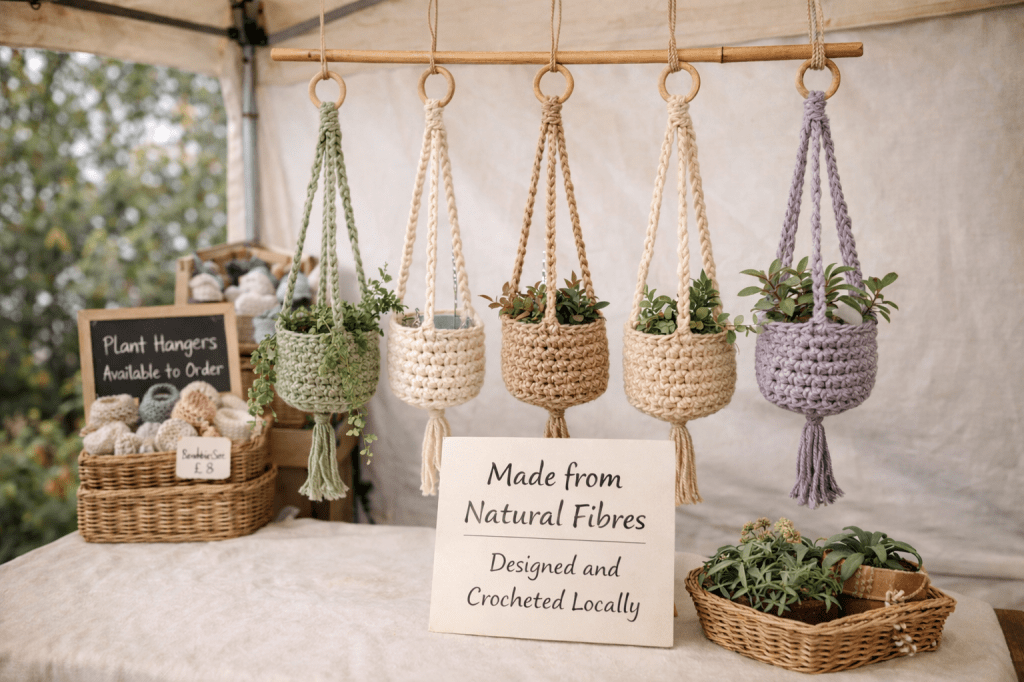
“Handmade using natural fibres”
“Designed and crocheted locally”
“Made slowly and with care”
These statements quietly reinforce value without apology.
Important reminder: You are not pricing for everyone. You are pricing for the customer who values handmade, thoughtful work — and those customers do exist.
Stocking Tips for Spring Markets
Stock smarter
Focus on variety rather than volume
Repeat your top three sellers
Use samples to test higher-value items without over-committing
Seasonal pieces, such as Easter makes, are best produced in limited quantities. Having a few special items creates interest. This avoids the risk of leftover stock that’s hard to resell later. A calm, well-curated table almost always outperforms an overcrowded one.
Final Thoughts: Keep It Enjoyable
Spring craft markets should feel exciting, not exhausting.
Choose crochet items that:
You enjoy making
You can repeat comfortably
Fit your time, energy, and schedule
Simple, well-made crochet always finds the right home — especially when it’s made with care.
If you’re preparing for spring markets this year, I hope this guide helps you feel confident, organised, and inspired. If you’re planning spring markets, you might like to save this post on Pinterest. That way, it’s easy to come back to when you’re preparing your stock.
This post includes affiliate links. If you choose to purchase through them, I earn a small commission at no extra cost to you, which helps support my blog.
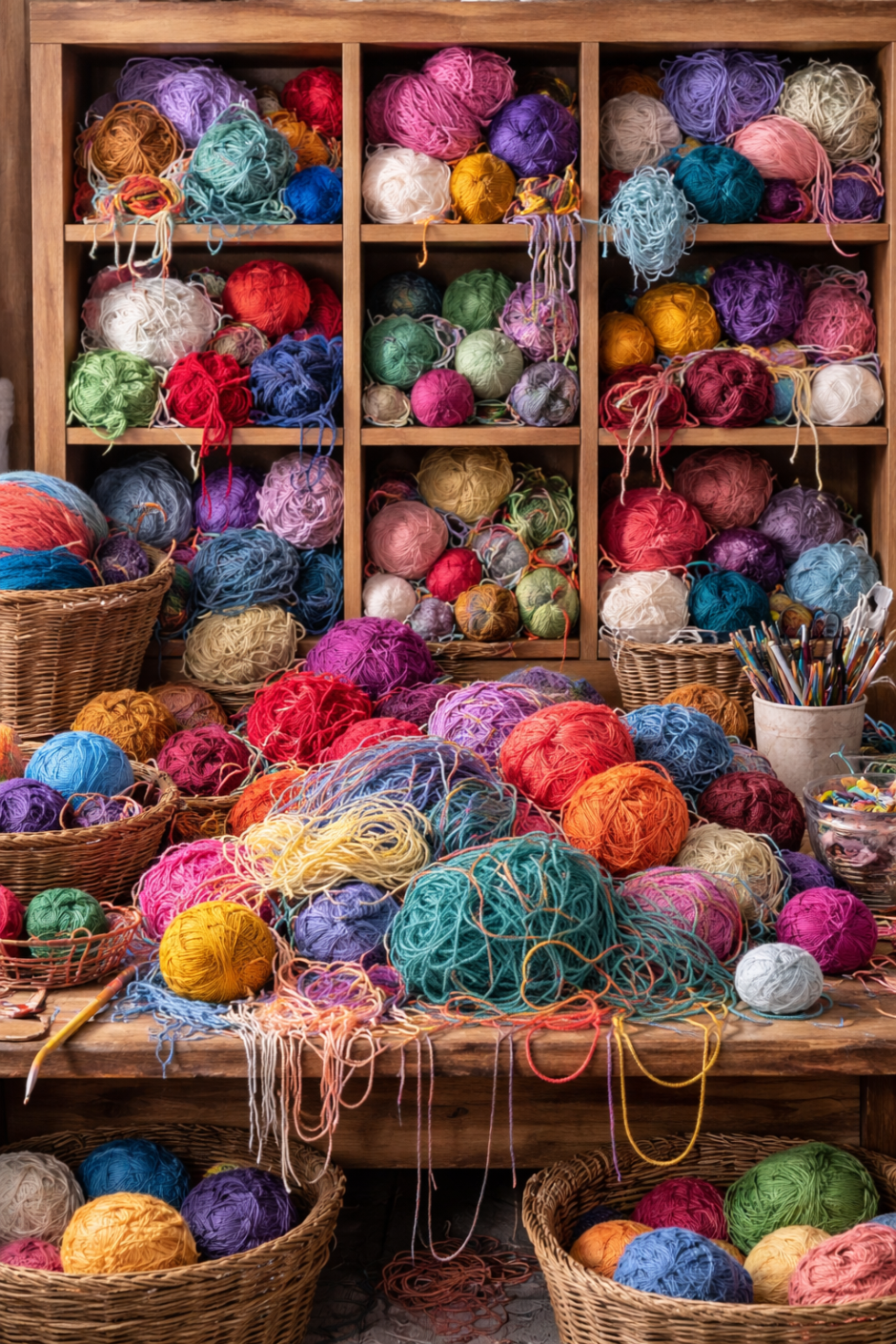
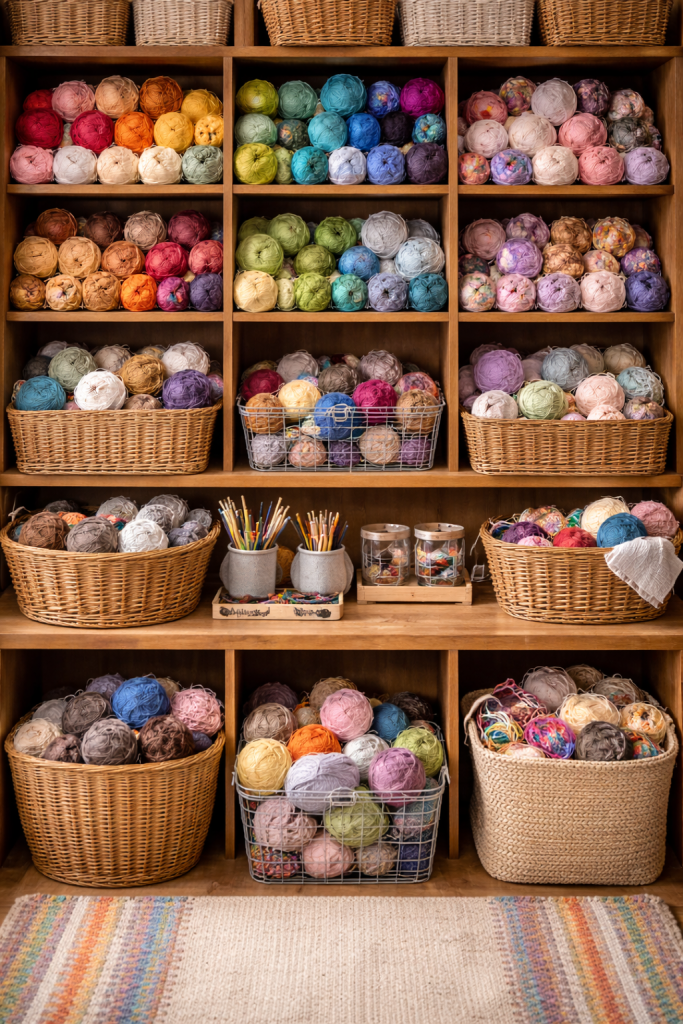
If your yarn stash has slowly (or suddenly) taken over cupboards, baskets, drawers and possibly the dining room table… you’re not alone. Most crocheters don’t set out to create chaos — it just happens one skein at a time!
The good news? You don’t need a full craft room or expensive storage to get your yarn under control. You just need a system that works for how you actually crochet.
If your yarn stash feels overwhelming, I’ve created a free printable Yarn Stash Tidy Checklist to help. You’ll find the link further down in this post.
Here are practical, realistic ways to keep your yarn stash tidy — without over-organising the joy right out of it.
1. Sort First, Store Second (This Is the Game Changer)
Before buying storage, take everything out and sort your yarn into simple groups:
By fibre (acrylic, cotton, wool, blends)
By weight (DK, aran, chunky, etc.)
By project (active WIPs vs “one day” yarn)
This step alone often cuts visual clutter in half.
Top Tip
Keep your current project yarn in a dedicated project bag or basket to make it easy to pick up and put down without losing momentum.
2. Use Clear Storage So You Can See What You Own
Out of sight = forgotten yarn.
Clear boxes, open baskets, or shelving lets you see colours and quantities at a glance — which helps prevent buying duplicates (because we’ve all done that!).
Look for:
Stackable clear boxes
Open-front storage cubes
Breathable baskets for natural fibres
3. Store Yarn by How You Use It (Not How Social Media Says)
Instead of “pretty” systems, choose functional ones:
Colour lovers: store by colour family
Pattern makers: store by weight
Gift crocheters: store by project type (baby, blankets, toys)
There’s no wrong way — the right way is the one that makes you want to crochet
4. Keep Yarn Labels (Future You Will Thank You)
Yarn without a label is mystery yarn.
Simple solutions:
Slip labels into the centre of the skein
Store labels in a small envelope or pouch
Take a quick photo of the yarn + label
This is especially helpful where you may want to re-order the same yarn later.
5. Create a “Yarn In / Yarn Out” Rule
To stop stash creep:
Try to finish one project before starting another
Match new yarn purchases to a planned project
Do a quick stash check before shopping
This doesn’t mean no new yarn — just more intentional yarn.
Yes, yarn shopping is still totally justifiable!
6. Protect Yarn From Dust, Pets & Sunlight
Keep yarn away from direct sunlight
Use lids or fabric covers if stored openly
Avoid damp areas (lofts and garages are risky)
Natural fibres especially benefit from breathable, enclosed storage.
A tidy stash is also a protected stash.
One of my favourite stash-tidying tricks is turning leftover yarn into the solution. Keep reading for more on this.
7. Do a Mini Stash Reset Every Season
Instead of one massive de-clutter, do a quick seasonal tidy:
Donate yarn you no longer love – do not let yarn guilt trip you!
Pull out yarn perfect for the season
Plan 1–2 projects using what you already have
This keeps your stash inspiring instead of overwhelming.
Top Tip
Use Your Stash to Make Storage (Yes, Really!)
If you have partial balls or yarn you’re not quite sure what to do with, consider crocheting your own yarn storage baskets. Not only does this help reduce stash guilt, but it also creates practical storage that’s perfectly sized for your space.
Holding mini yarn balls and leftover yarn you’re not quite ready to let go of
Keeping smaller WIPs contained
Organising hooks, notions, and other crochet accessories
LoveCrafts also has a great selection of yarn storage patterns, including crochet baskets and project bags, designed specifically with crafters and yarn organisation in mind.
Using your yarn to make storage for your yarn might sound a little meta — but it’s incredibly satisfying and keeps everything feeling intentional rather than cluttered.
A Tidy Stash = More Crochet Joy
You don’t need perfection — you need ease.
When your yarn is tidy:
You start projects faster
You waste less money
You crochet more joyfully
And that’s the whole point, really.
Once your yarn stash feels calmer and more intentional, it’s often helpful to think about how you’ll keep that feeling going.
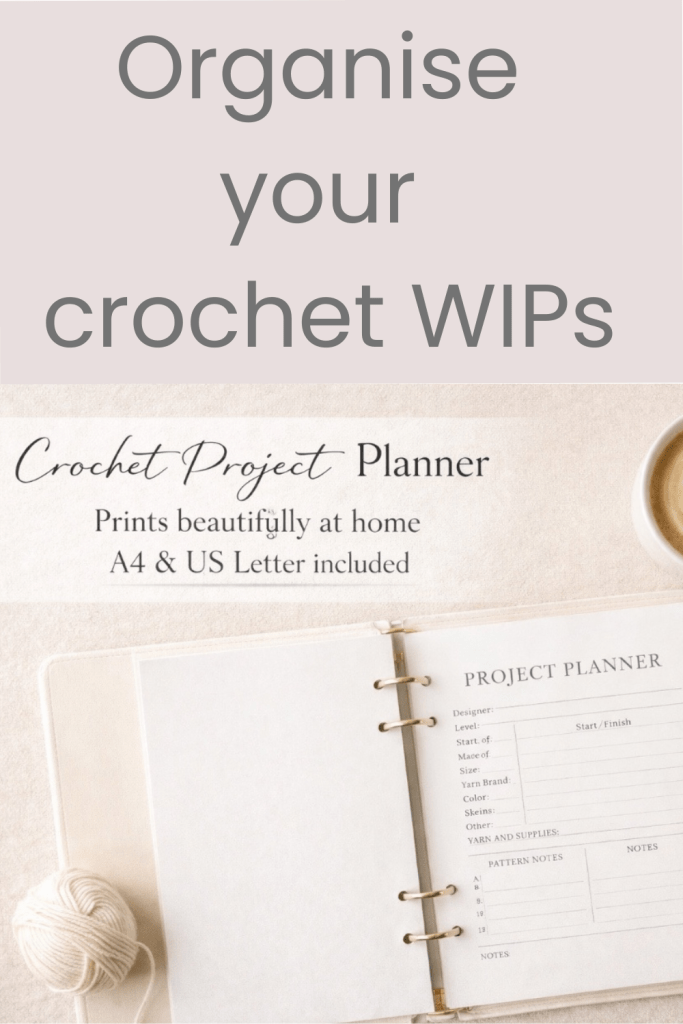
There’s a free Yarn Stash Tidy Checklist linked earlier in this post if you’d like something printable to work through alongside these tips — it pulls everything together into one simple place.And if, once your yarn feels calmer, you’d like a way to keep projects and ideas organised as you go, my Crochet Project Planner is there to support that next stage, helping turn tidy yarn into finished pieces.
If this post was helpful, feel free to pin it for later so you can come back to it when your yarn stash needs a little reset.
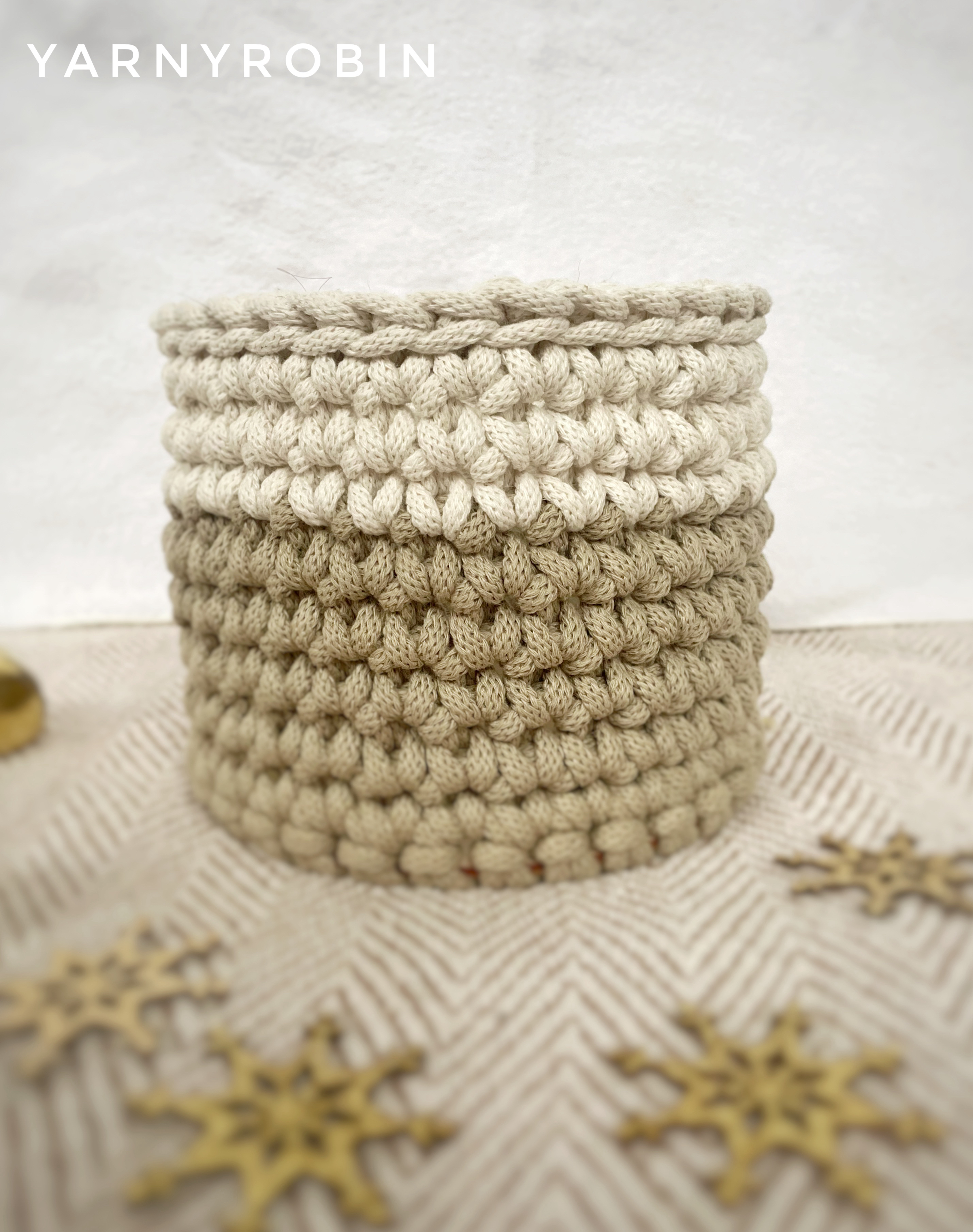
With Christmas fast approaching I wanted to share with you a fabulous and practical step by step tutorial, perfect for this festive season (or for any other time of the year!). These handy baskets can be used to gift or store festive chocolates or just add a little seasonal decor around the home.
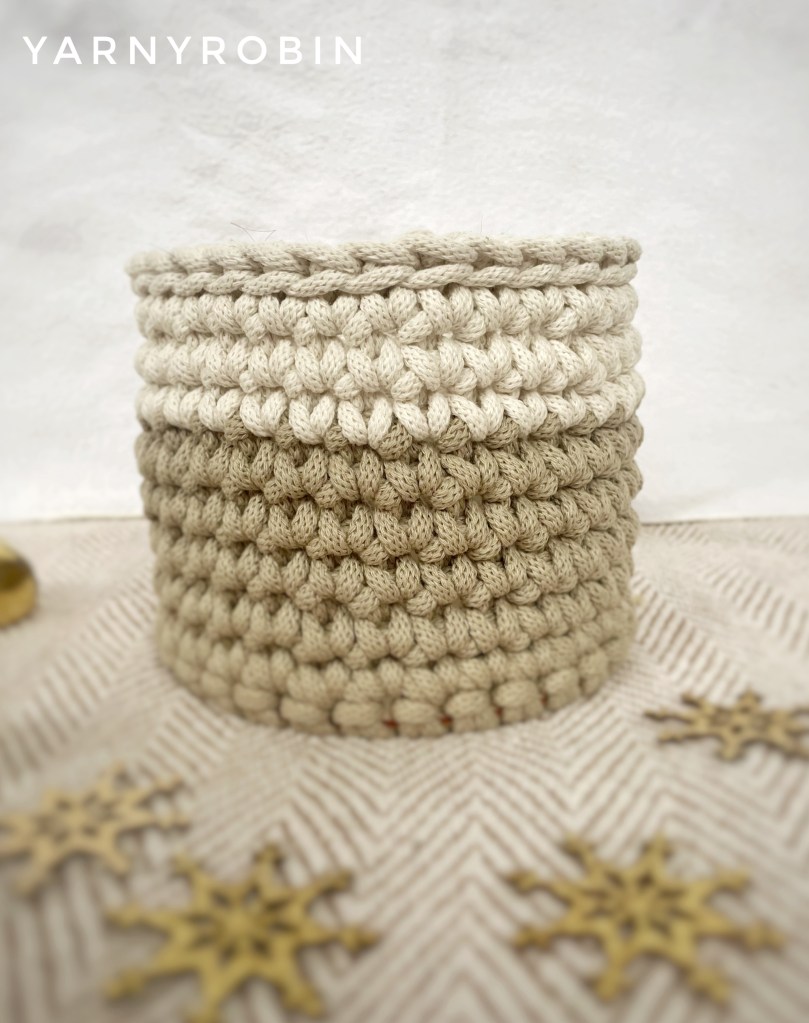
These baskets are super versatile. You can swap the colours to suit your own style and add whatever decorations you choose, here I have chosen to add a sweet wooden snowflake, but ribbons, bows and bells would look just as good. The best bit about these baskets is the wooden base.
The wooden base makes this a super quick make and means the basket has a great shape and is sturdy…all good elements for a useful basket to have. You will find bases in all sorts of shapes and sizes on lots of different shopping sites. I got mine from Etsy, as I like to support small business owners when I can. Take a look here to get started
I would just like to talk about your choice of yarn or cord for a moment also. I purchased several versions before I settled on one I was happy with. Some were too splitty, or dull, or just didn’t crochet well. I highly recommend using this 5mm braided recycled cotton cord because it is economical, comes in a great colour range and is easy to work with.
Pattern notes
The pattern that follows can be adapted to any size or shape base. The pattern uses English crochet terminology, but you can find US crochet terminology in brackets just below.
I strongly advise that you mark the 1st chain 1 of each round with a stitch marker. Repeats are marked by *
What you will need
5mm braided cotton cord in colour of your choice
wooden base(s)
scissors
hooks – see below
stitch marker
decorations of your choice – bows / bells / small tree ornaments
Stitches used
DC – double crochet ( SC – single crochet)
slst – slip stitch
Ch – chain stitch
Dc: Insert hook into chain or under both loops of stitch, yarn over and pull through so there are 2 loops on hook, yarn over again and pull through both loops on hook.
Hooks used
5mm and 8mm
To start
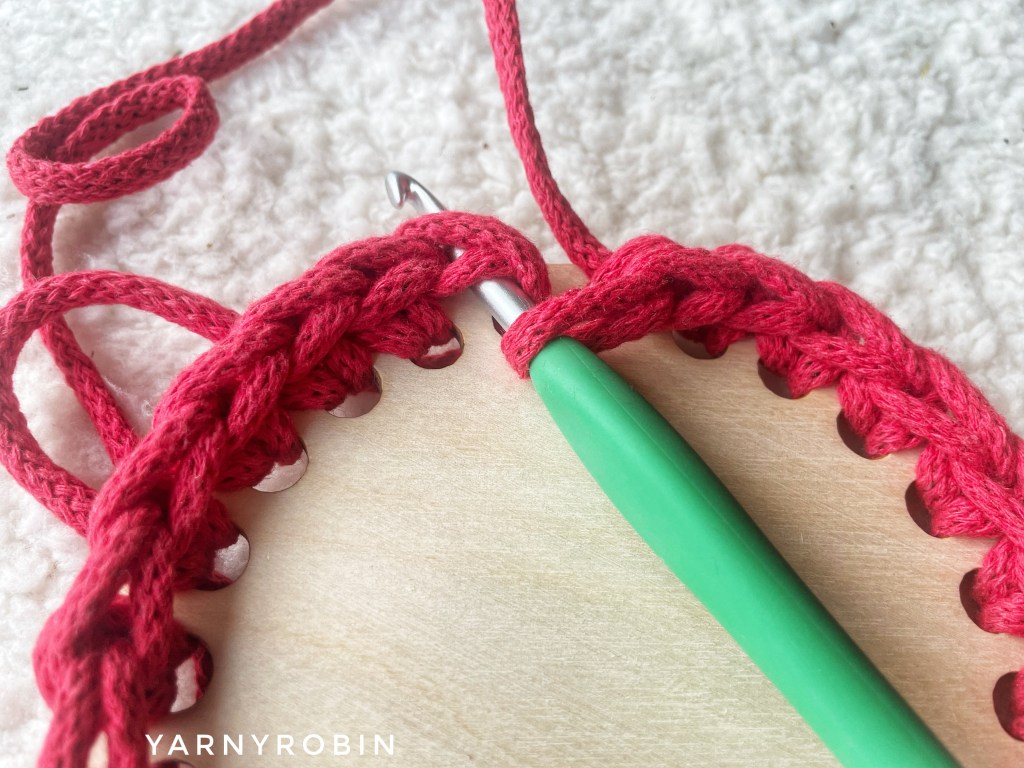
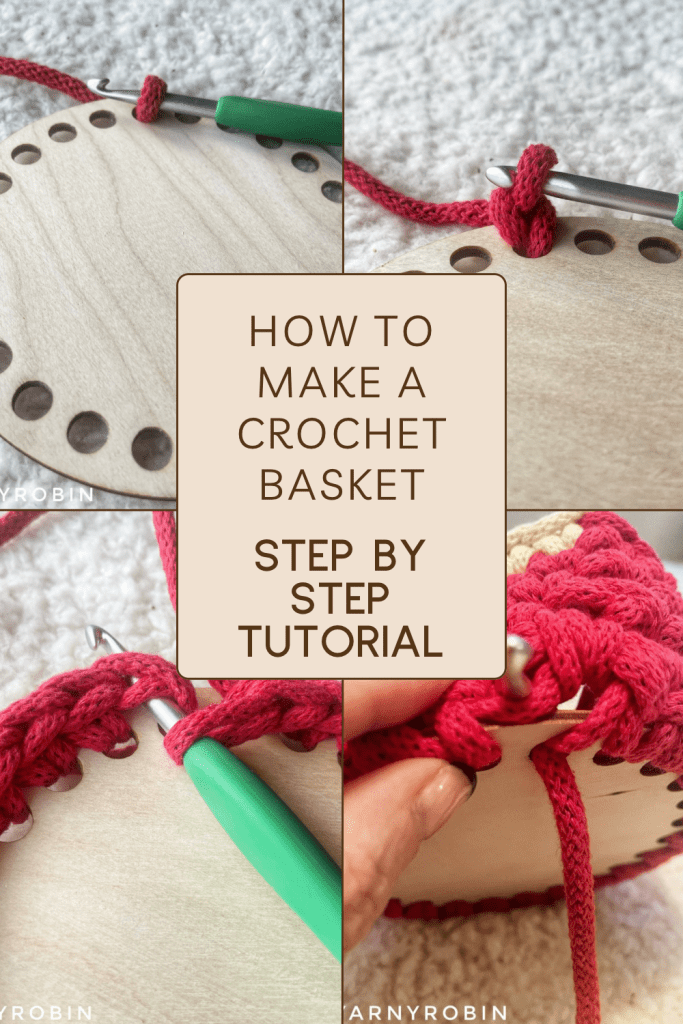
Start by holding cord underneath the base. Using smaller hook pull up a loop through the first hole in the base.
Yarn over and pull through loop on your hook.
*Pull up next loop from the underside of base through next hole and complete DC* Repeat around base to last hole. Slst in 1st st.
Now turn work so outside of the basket is facing you.
Round 2: Using larger hook. Ch1 (counts as a st) place marker. DC in next stitch and in each st around.
Round 3: ch 1, continue to place DC in each st for desired height of basket, placing marker in ch1 of each round. Change colours as desired.
eg/ large basket pictured had a base with 37 holes / 17cm diameter. I completed rounds 1 – 8 in candy red and rounds 9 – 11 in natural. Final round in natural also. My basket measures 14cms tall.
Final round: Do not ch1, slst in each st around. Fasten off.
With smaller hook weave in loose ends. Weave starting tail at base so that it fills in the gap.
Now decorate your basket as desired.
Next steps
If you have enjoyed this pattern you can help support what I do by
• Pin the image below for later on your Pinterest board
Master the Craft: Crochet Hexagon Made Easy is your ultimate guide to creating beautiful, vintage crochet motifs. Whether you’re a seasoned pro or just starting out, this comprehensive video tutorial is your step by step guide to help you crochet the perfect hexagon.
So, what are you waiting for? Start your crochet hexagon journey right here!
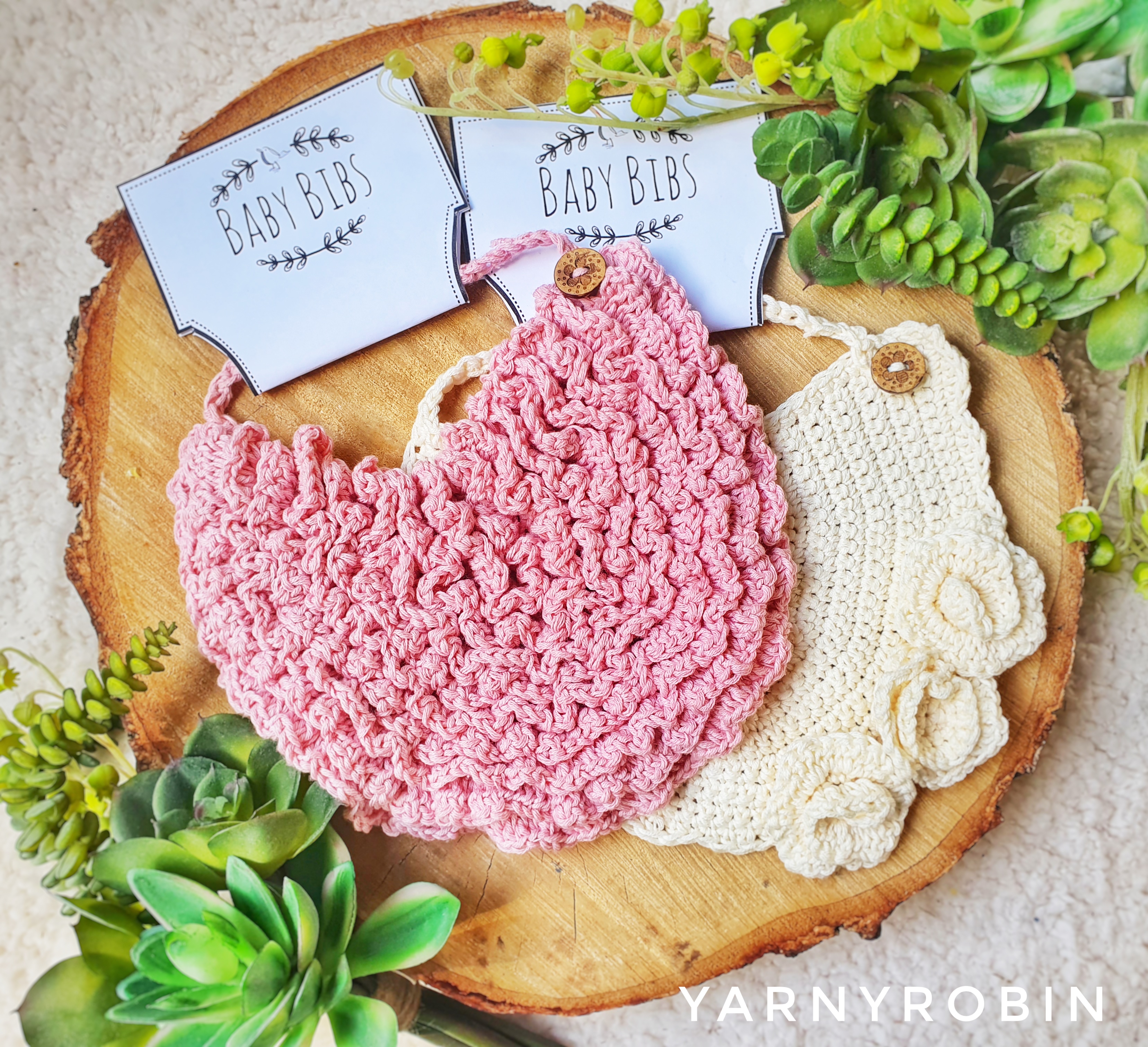
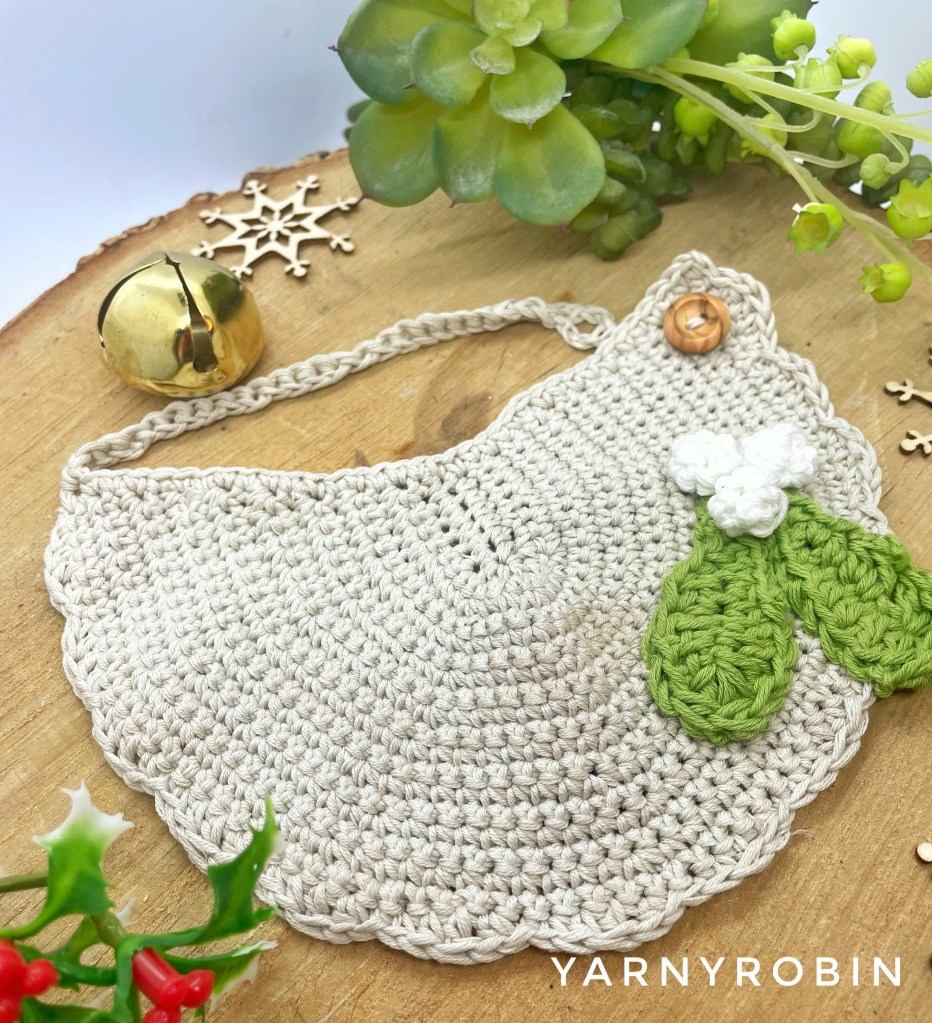
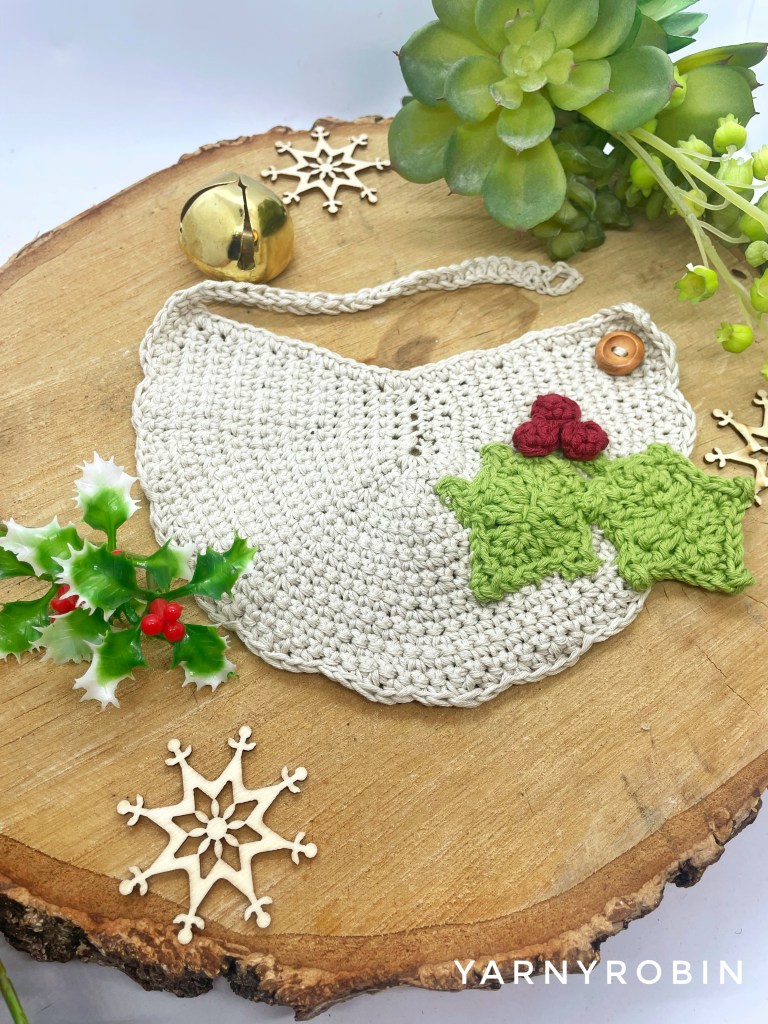
They are just the sweetest festive accessory for a little one this Season; with a pretty scalloped edge and whimsical festive foliage. These bibs are not only perfect for Christmas photo’s they are practical too. Made from 100% cotton, these bibs are super absorbent making them ideal for dribblers!
I have really enjoyed designing this bib set and I hope that you love them just as much as I do. The pattern is available for download in both UK and US crochet terminology, so there is no need for any pesky converting and is suitable for intermediate crochet with each bib using less than 50g of Cotton.
I have used DMC Natura Just Cotton which is a 4 ply yarn as I just adored the colour range they offered and felt the colours gave the vintage vibe I was hoping for. Not only is this cotton absorbent, but it is Oeko Tex standard 100 approved; which means the cotton has been certified to be free of harmful chemicals and is safe for human use, as well as being verified as both safe and non irritating to human skin. This element of the design was very important to me as baby will most likely chew on the bib, so this certification gives me peace of mind.
I think these bibs would make ideal festive themed baby gifts or stocking fillers and what’s more you can easily make a bib in an evening, so if you are a last minute gifted these bibs are ideal.
Why not couple them with my FREE teething ring pattern to make the perfect festive handmade gift for that special little someone in your life.
If you like this post, please leave me a like and comment below as this is a great way to support me and don’t forget to tag me in your makes using
It’s my favourite time of the year and to celebrate I’m sharing my crochet pattern for my Twiddly Pumpkins. I just love the Autumn, when the nights draw in and home becomes my sanctuary. There is nothing like drawing the curtains, lighting the candles and settling down in your comfies to watch some good television and crochet the evening away. I love the crisp, cold but sunny mornings and the chill in the air that creeps in, the deeper into Autumn we travel. The renewal of the hot chocolate station in the kitchen and of course lots of lovely celebrations…Harvest, Bonfire night and Christmas. There is just so much sparkle to Autumn…It really is my happy place.
Home decoration really takes on a new meaning in Autumn and can be ramped up without being over the top. These twiddly pumpkins are a cute way to decorate your space and welcome Autumn into you home. Why not adorn your fireside mantle or create a centre table display.
They are a great stash buster and are quick to make. Which makes them ideal to gift or sell as they will cost you pennies to make! You can make them from any weight yarn in varying sizes and the pattern can easily be adapted in terms of size and stitch.
Why not join us at The Nest and get a monthly newsletter straight to your inbox, full of crochet goodness, early access to free patterns and exclusive discount codes.
Processing…
Success! You're on the list.
Whoops! There was an error and we couldn't process your subscription. Please reload the page and try again.
You will need to gather some supplies before you start. I recommend having a hunt through your stash to see what you’ve forgotten about and start there. You will also need a hook suitable for the yarn you have selected.
You will also need a pair of scissors, a darning needle, some polyester toy filling (fire safety satndard / EN71), some cinnamon sticks, a hot glue gun and some twiddly bits!
Twiddly bits are anything that you wish to decorate your pumpkin with. I used artificial leaves and berries, but you could use twine, ribbon or what ever else you fancy. Be creative and use what you already have. The cinnamon sticks make whimsical pumpkin stalks and they smell delicious too! Alternative stalks can be made from twigs from the garden to create a more rustic vibe.
This pattern is written using UK crochet terminology and the stitch abbreviations can be found below.
Gauge is not important for this project. You will find instructions for a small, medium and large pumpkin.
This pattern can easily be adapted to make smaller or larger pumpkins by adding or decreasing the number of chains in the starting chain. You can even change the stitch for a different textured pumpkin
Stitch Abbreviations:
Ch- chain
St – stitch
Slst – slip stitch
Dc – double crochet
Htr – half treble
BLO – back loop only
Dc: Insert hook into chain or under both loops of stitch, yarn over and pull through so there are 2 loops on hook, yarn over again and pull through both loops on hook.
Htr: Yarn over before inserting hook into chain or under both loops of stitch, insert hook, yarn over and pull through so there are 3 loops on the hook, yarn over and pull through all 3 loops on hook.
BLO: Work stitch as stated, but in back loop of stitch only.
click the link above for a short video of working in the back loop
Small Pumpkin
Leave long tail, Ch17
Row 1: dc into 2nd ch from hook and each st along, turn (16dc)
Row 2 -19: in BLO, ch1, htr in next st and in each st along, turn (16htr)
Row 20: Ch1, dc in next st, and each st along (16dc) Fasten off leaving a long tail
Medium Pumpkin
Leave long tail, Ch22
Row 1: dc into 2nd ch from hook and each st along, turn (21dc)
Row 2 -24: in BLO, ch1, htr in next st and in each st along, turn (21htr)
Row 25: Ch1,dc in next st, and each st along (21dc) Fasten off leaving a long tail
Large Pumpkin
Leave long tail, Ch27
Row 1: dc into 2nd ch from hook and each st along, turn (26dc)
Row 2 -29: in BLO, ch1, htr in next st and in each st along, turn (26htr)
Row 30: Ch1,dc in next st, and each st along (26dc) Fasten off leaving a long tail
To assemble.
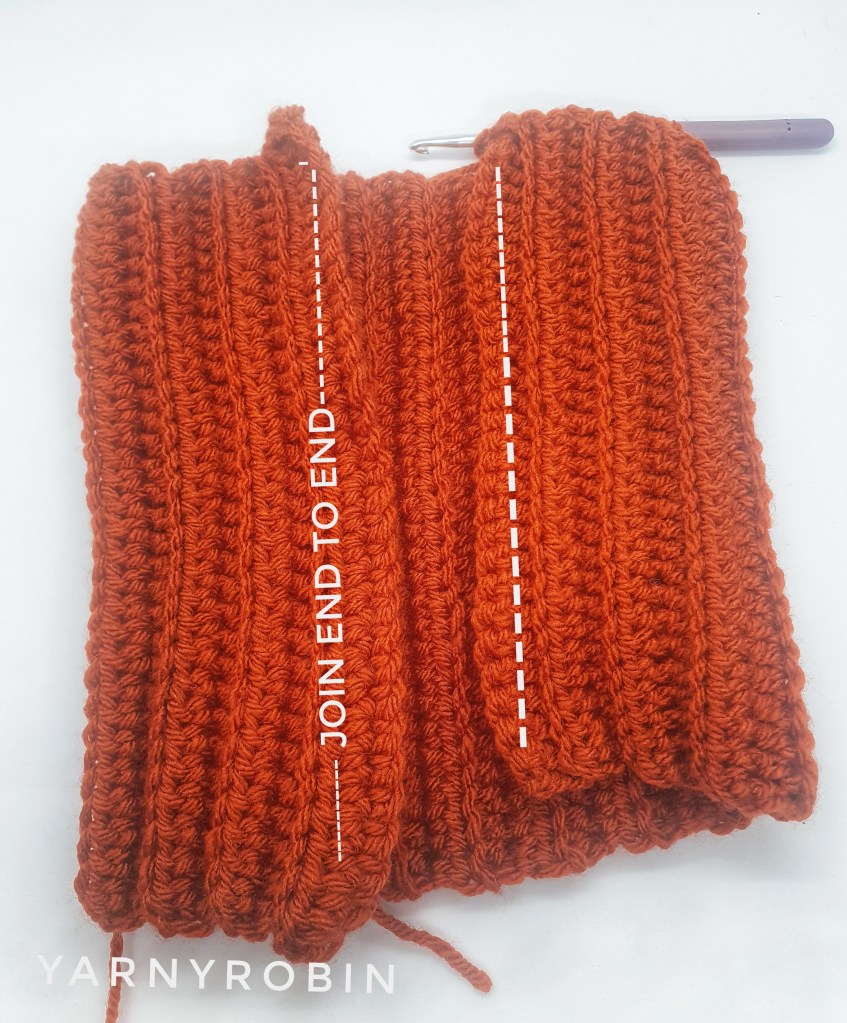
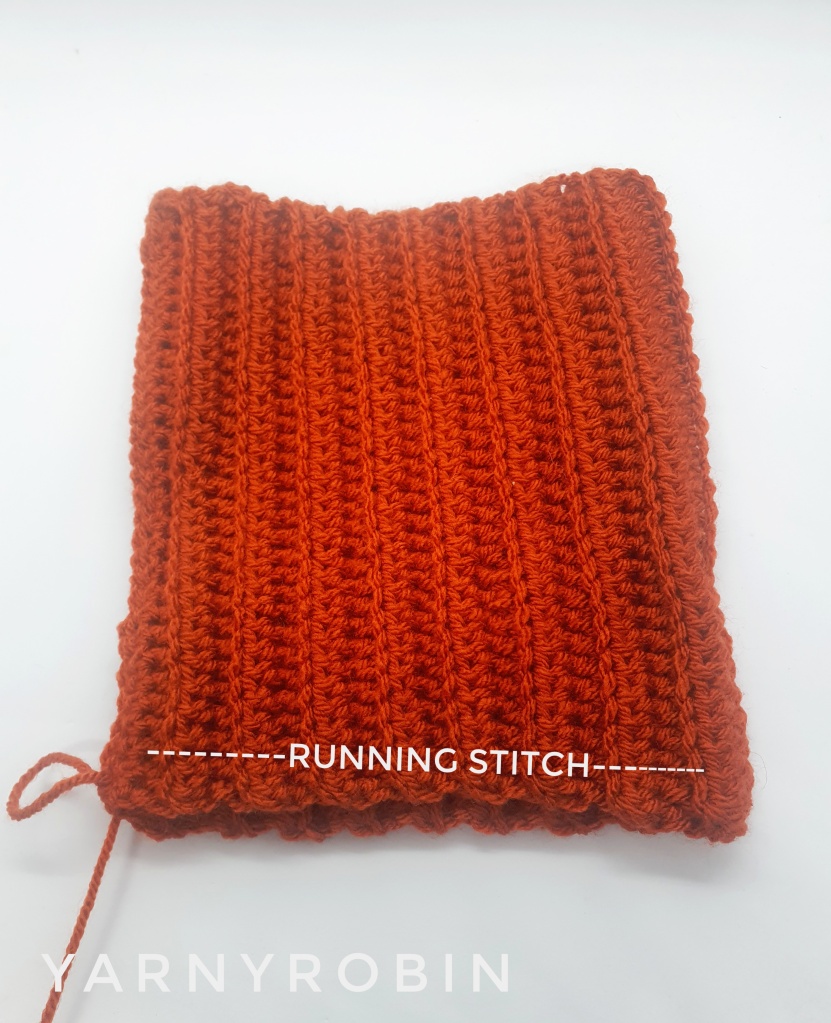
With ribs running vertically fold edges of pumpkin together and sew edges together using a simple running stitch or whip stitch to create a tube.
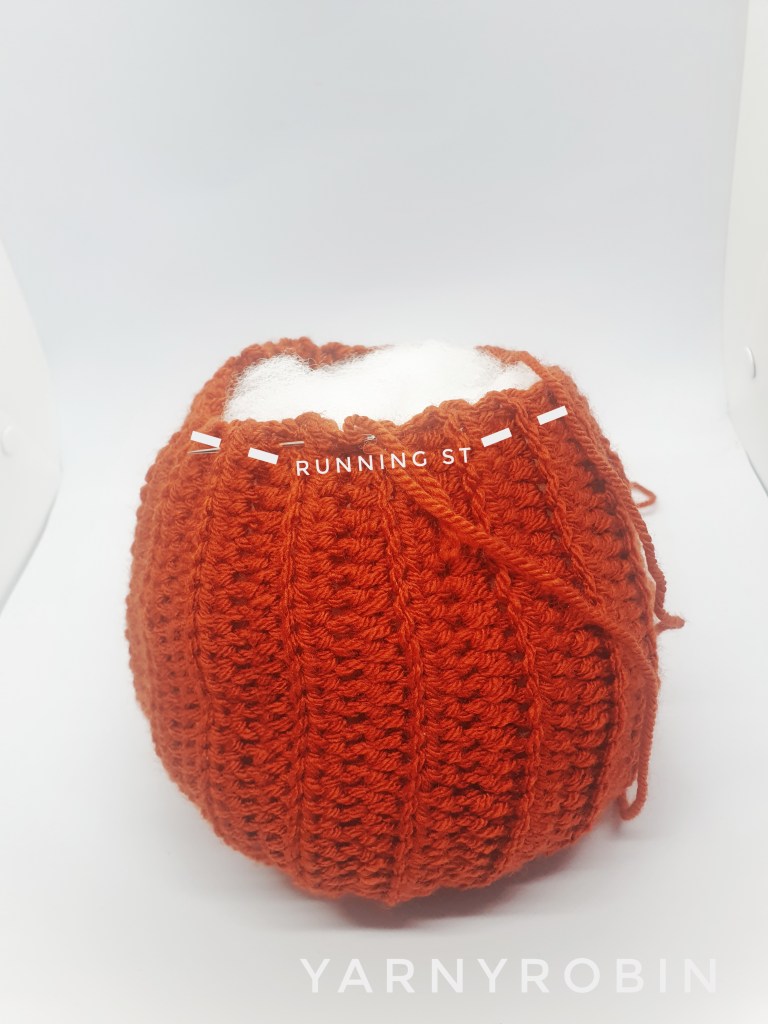
With darning needle, weave long tail in and out, around bottom of pumpkin (it does not matter which end this is)
Once completed pull long tail tightly to gather pumpkin and sew across middle in a zig zag to close neatly.
Fill pumpkin generously with toy stuffing.
Now with second long tail weave in and out along top edge and pull tight to gather top of pumpkin. Insert cinnamon stick towards the end of this process and pull the tail tightly. Wrap yarn a couple of times around base of cinnamon stick, take needle through the pumpkin and exit centrally at the bottom of pumpkin. Fasten off and weave in any loose ends.
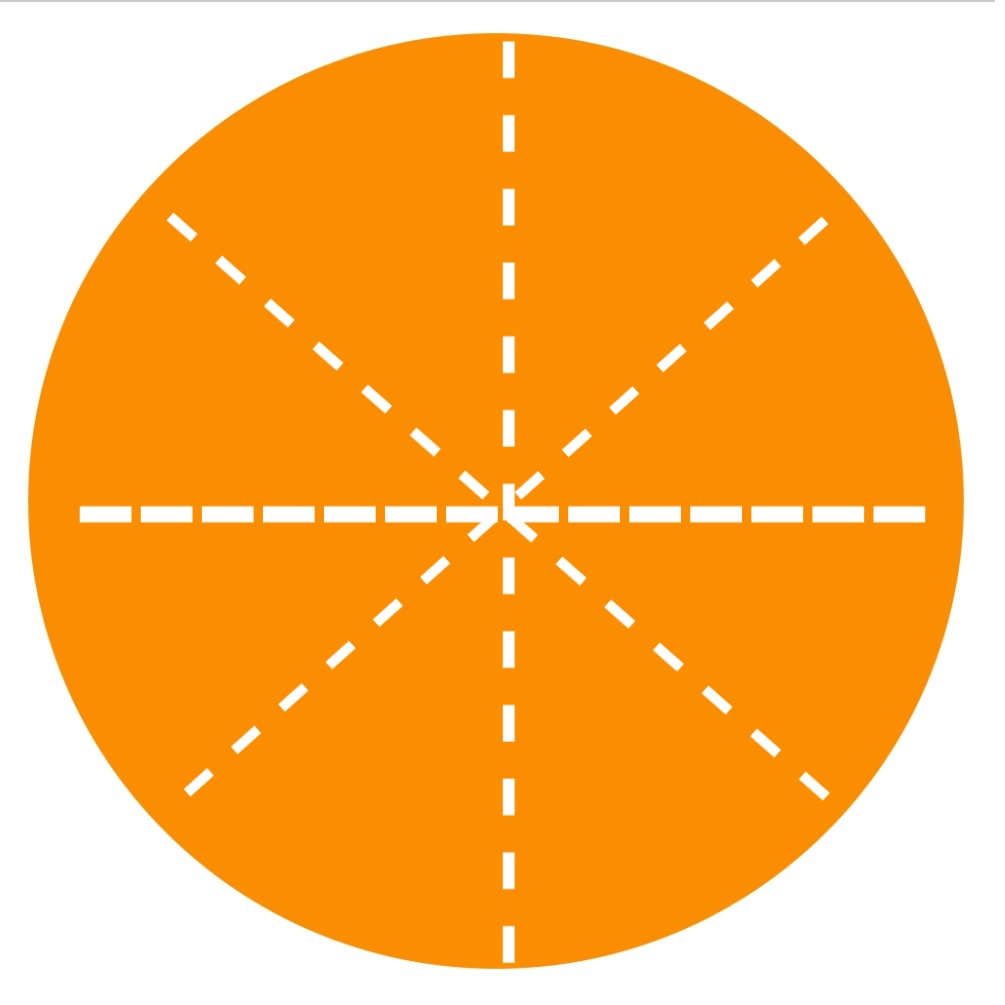
To create the indentations in the side of the pumpkin you will take yarn through the middle of the pumpkin from top to bottom or vice versa. Always insert needle centrally at the top or the bottom of the pumpkin as indicated.
With new yarn, inset needle into bottom of pumpkin, leaving a tail at the bottom of the pumpkin and pull up through the middle of the pumpkin, so that your needle exits the top of the pumpkin, centrally. Take the yarn on the outside of the pumpkin and insert needle into the bottom of the pumpkin, back through the centre of the pumpkin and exit again at the top of the pumpkin and pull tight to create indentation in the side of the pumpkin.
Repeat this process taking the yarn on the opposite side of the 1st indentation to create a second indentation. Repeat around the pumpkin to create equal indentations all around. As a guide, segment the pumpkin into quarters and then in between each quarter.
Weave in any loose ends
Twiddly Bits
Now with a glue gun add your twiddly bits. If you do not have a glue gun consider tying or sewing twiddly bits into position.
When you make this project don’t forget to tag me in your social media as I would love to see your pumpkin creations Tag me using @yarnyrobin using #twiddlypumpkins
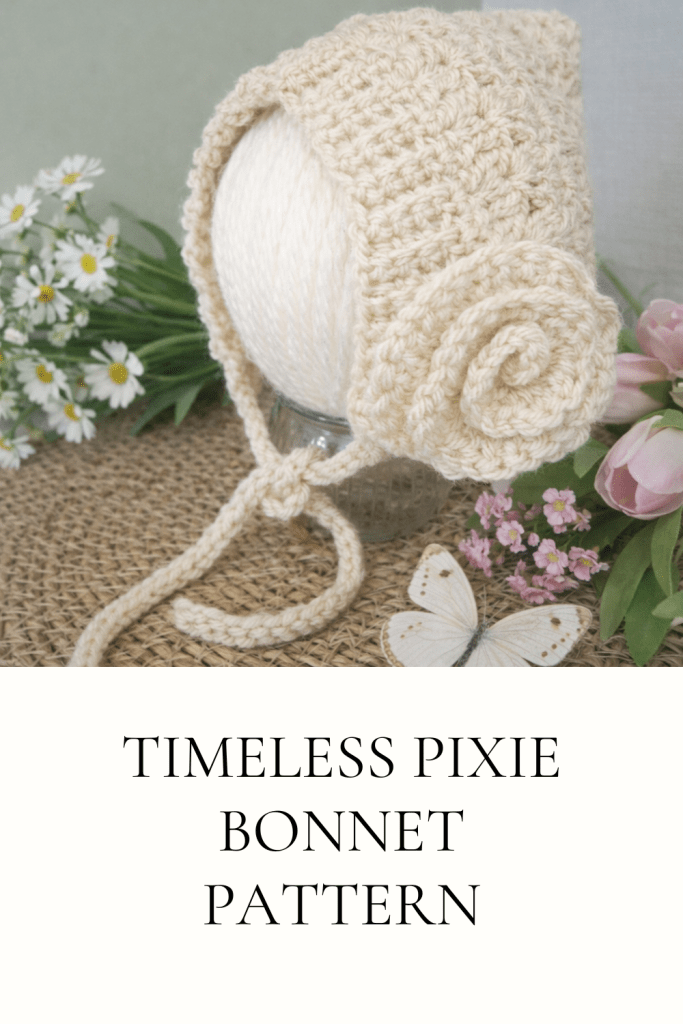
Another brand new pattern just off my hook and just in time for the Autumn. I must give a huge shout to @jenevs1981 on Instagram for this adorable photo above.
Not just for autumn…
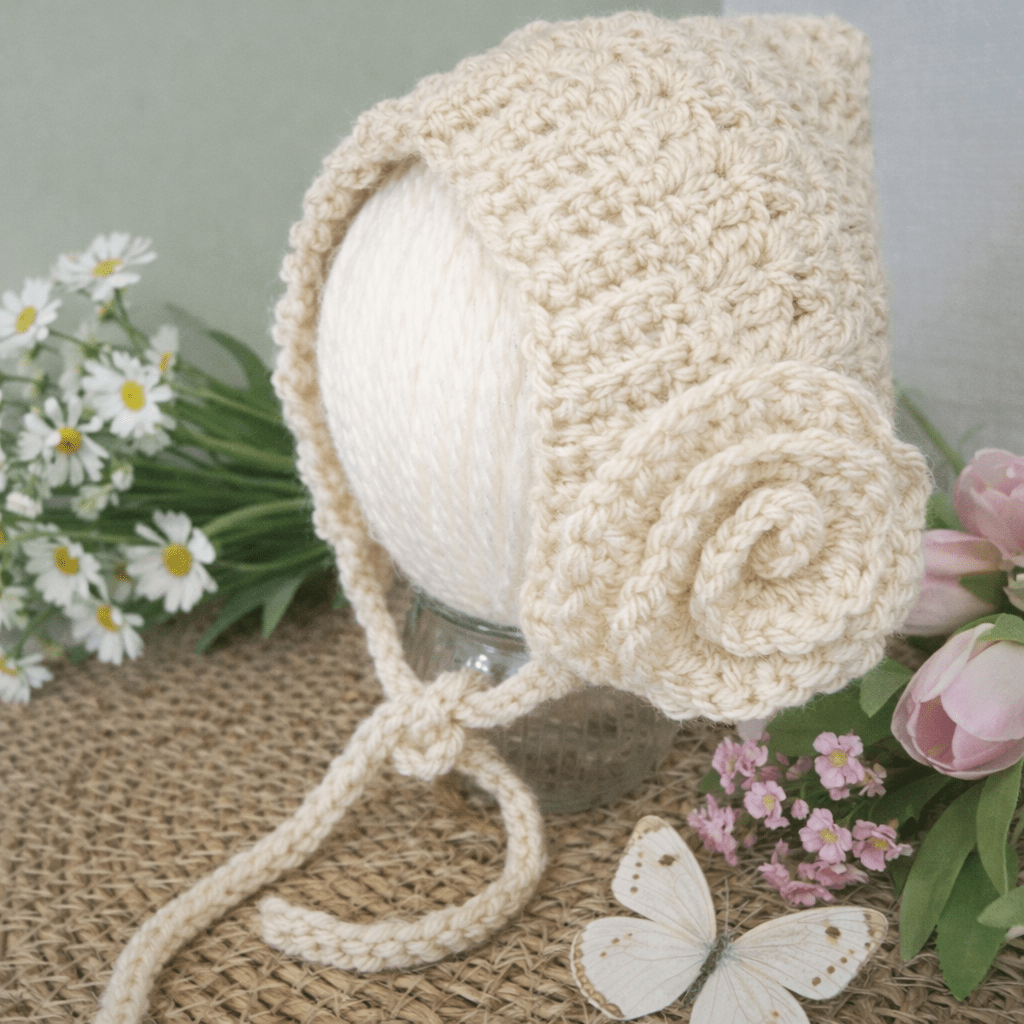
While this pixie bonnet is perfect for crisp autumn walks, it’s also a lovely year-round make for babies and toddlers. Made in breathable yarns, it works beautifully as a lightweight bonnet for spring days, cool summer evenings, and everyday wear.
Bonnets are just perfect for little ones as the weather gets cooler as they stay on their little heads much better I find. This bonnet is the October Bonnet and has a traditional pixie point which gives the bonnet that instant adorable shape. Coupled with a soft ribbed brim and an oversized flower adding some cuteness and sass for the final look. This bonnet would be perfect to wear this Autumn / fall and ideal for photoshoots at the pumpkin patch or in the woods don’t you think?
This bonnet is easy and quick to hook up and comes in sizes
The pattern uses a pretty little V-cluster stitch which is easy to learn and creates a pretty textured bonnet. I have made a video tutorial of the stitch in case you want to check it out first and you can find that just here.
I chose Stylecraft Special Aran yarn to make my bonnet as they have an amazing colour range at affordable prices. However, the bonnet can also be made from any worsted / aran weight yarn of your choosing. Try cotton for a Spring make…just check your gauge is correct as per pattern instructions and your good to go!
So, there we have the October Bonnet. I think this pattern would make a lovely baby gift or a new-born photo prop too. This pattern is ideal if you are a finished piece crochet seller. It is also great if you just fancy making it for that special little person in your life.
If you are not ready to make this pattern just yet and would like to bookmark it for later you can use the image below to save to your Pinterest account, so you can keep it safe.
I would also love to see your makes, so don’t forget to tag me @ayarnyrobin
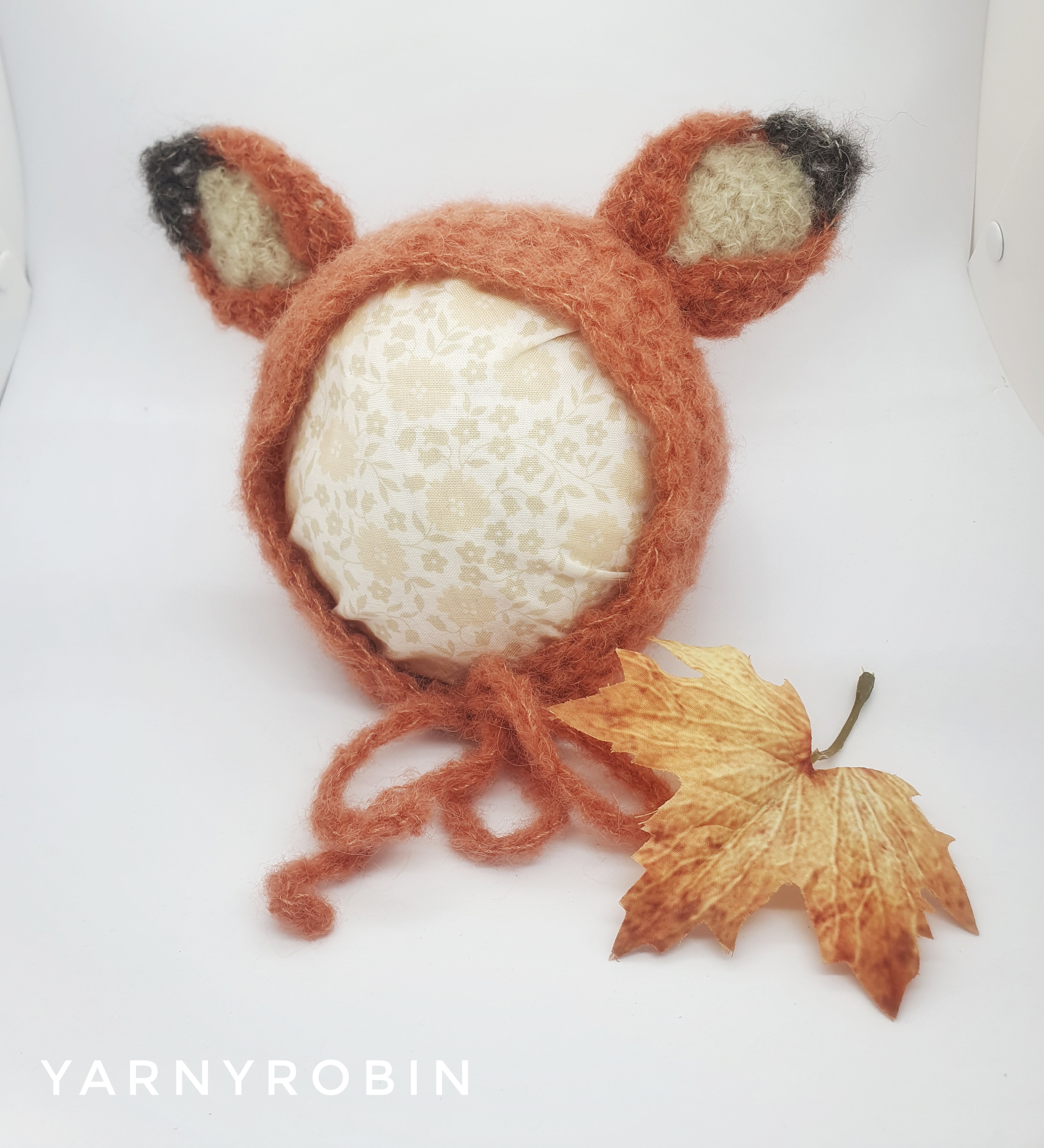
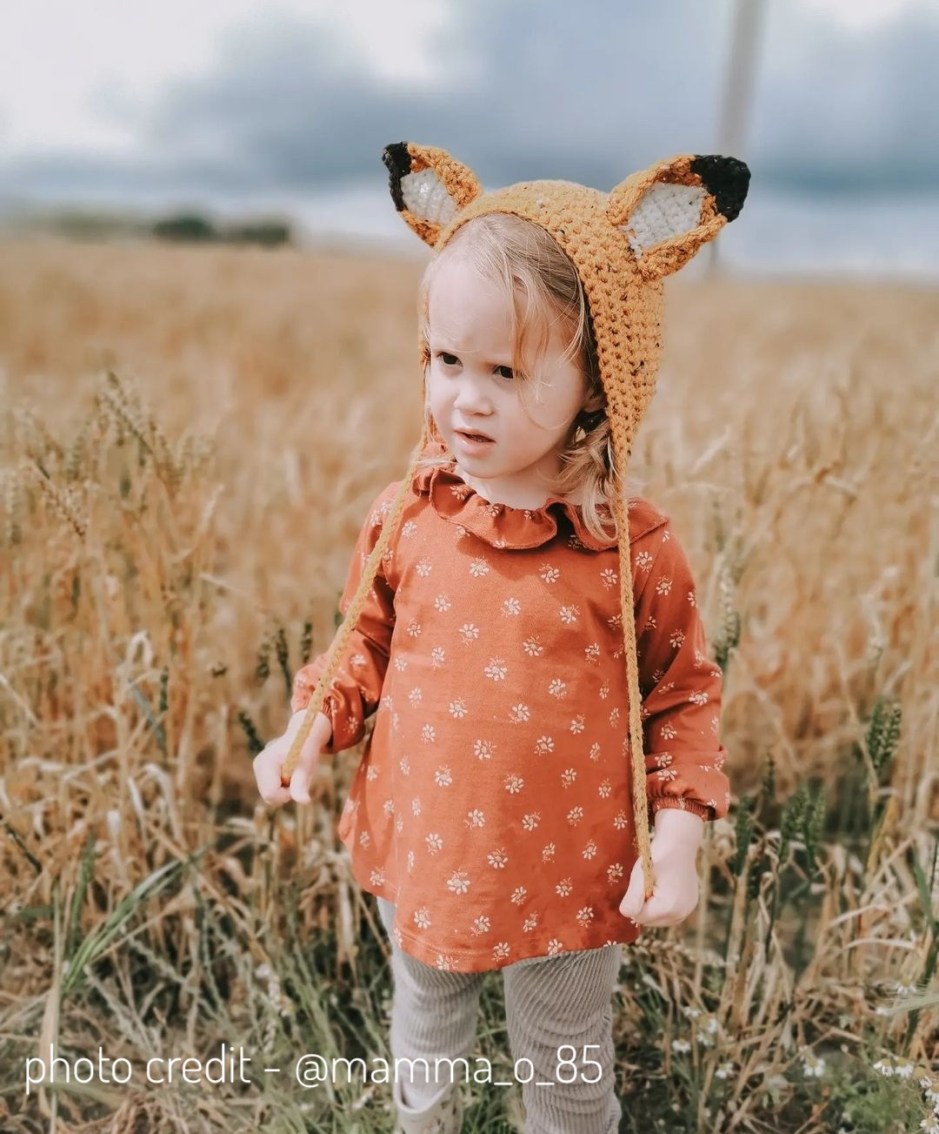
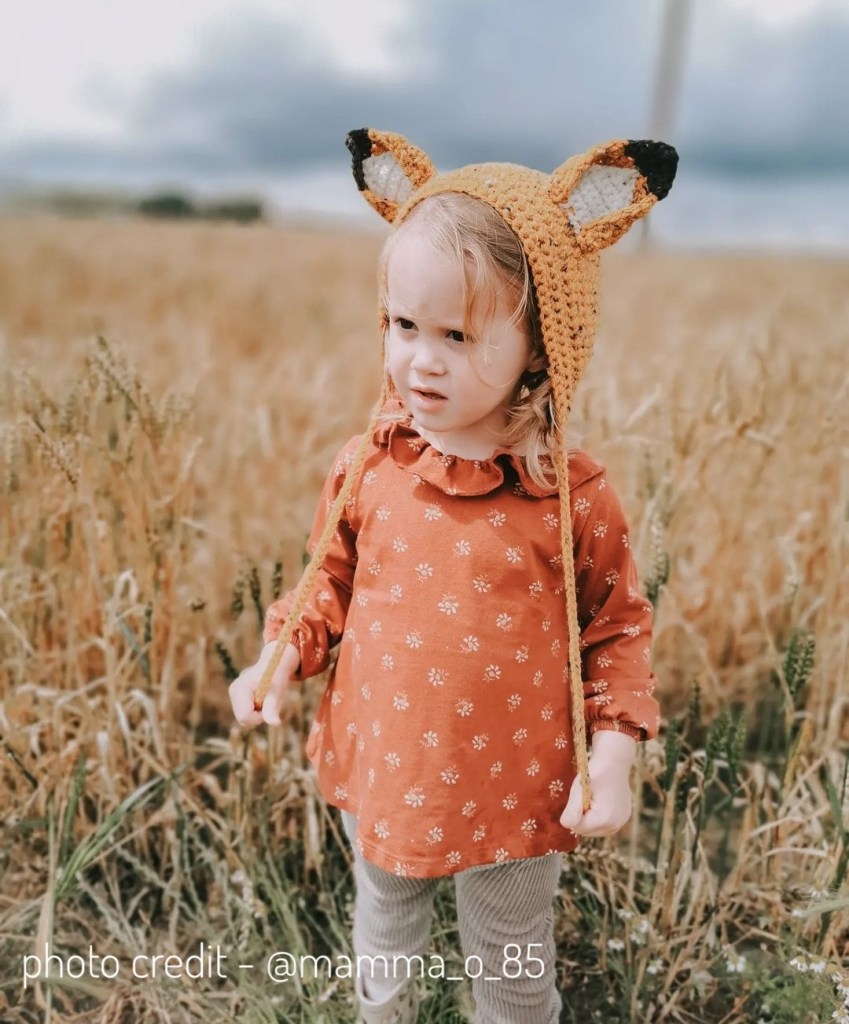
This is my latest pattern fresh of my hook and just in time for the Autumn. I must give a huge shout to @mamma_o_85 on Instagram for this adorable photo above. You can imagine how it made my heart sing when I was tagged into it and then given permission to share as well.
Bonnets are just so timeless and they are one of my favourite patterns to design…I have a few more ideas sketched out, but it takes a lot of time to write them up and edit them, but I will work through them one by one.
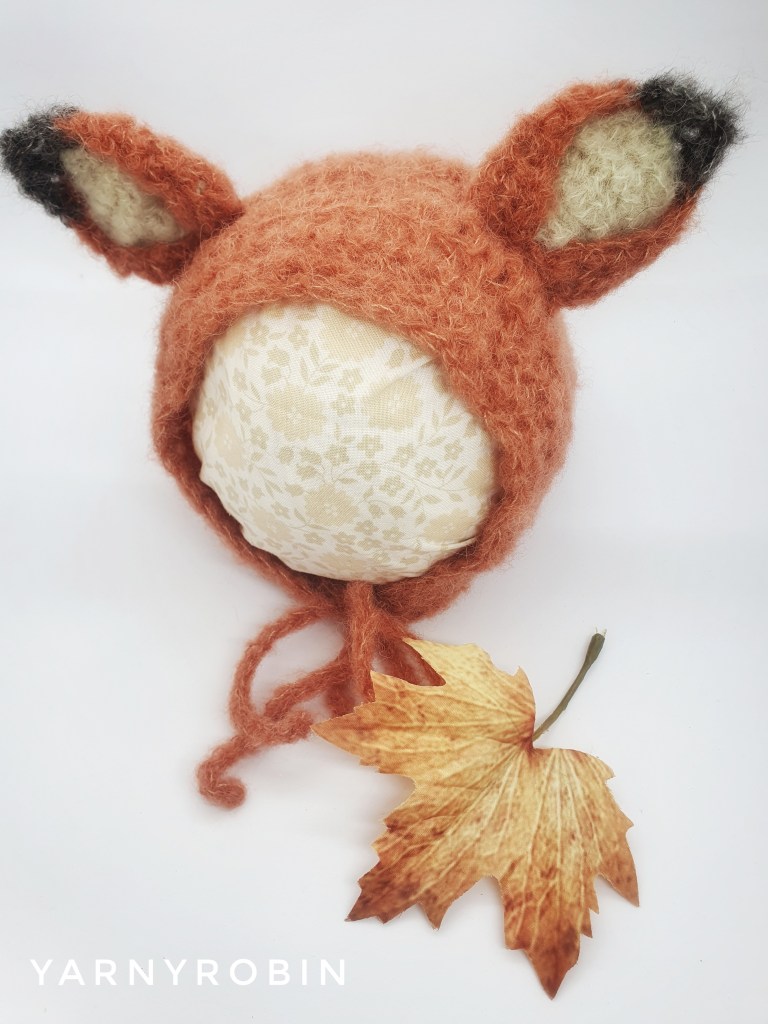
This Baby Fox Bonnet was really fun to design and the pattern has been fully pattern tested to. You will find it is easy and quick to hook up and comes in sizes
I chose Brushed Alpaca Silk yarn by Drops in pale rust, rainforest dew and grey for my baby fox bonnet; as it has a slight fuzz, is incredibly lightweight and is soooo soft. However, the bonnet can also be made from any worsted / aran weight yarn of your choosing…just check your gauge is correct as per pattern instructions.
Processing…
Success! You're on the list.
Whoops! There was an error and we couldn't process your subscription. Please reload the page and try again.
So, there we have the Baby Fox Bonnet. I think this pattern would make a lovely baby gift or a new-born photo prop. It would also be ideal if you are a finished piece crochet seller or of course if you just fancy making it for that special little person in your life.
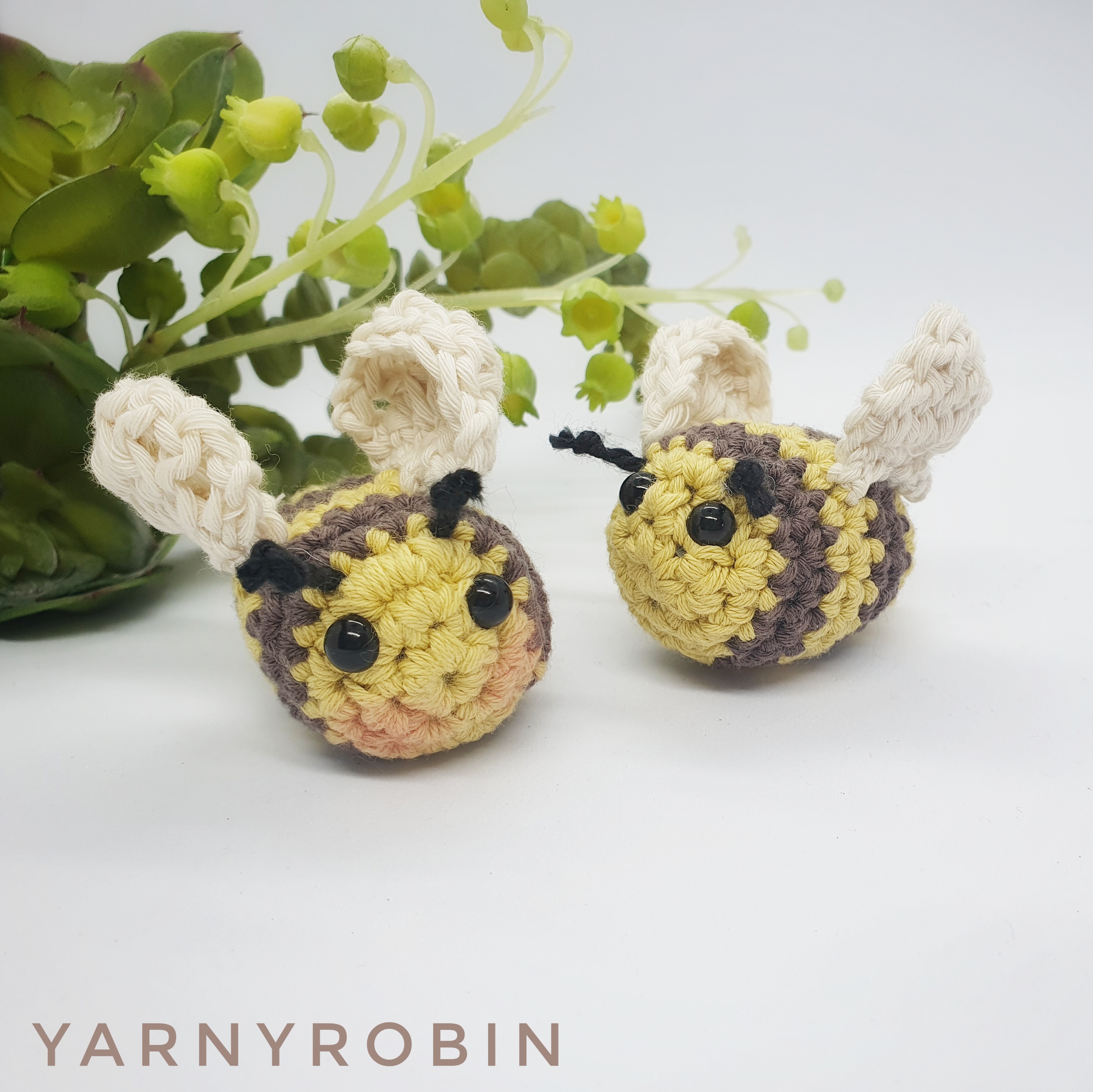
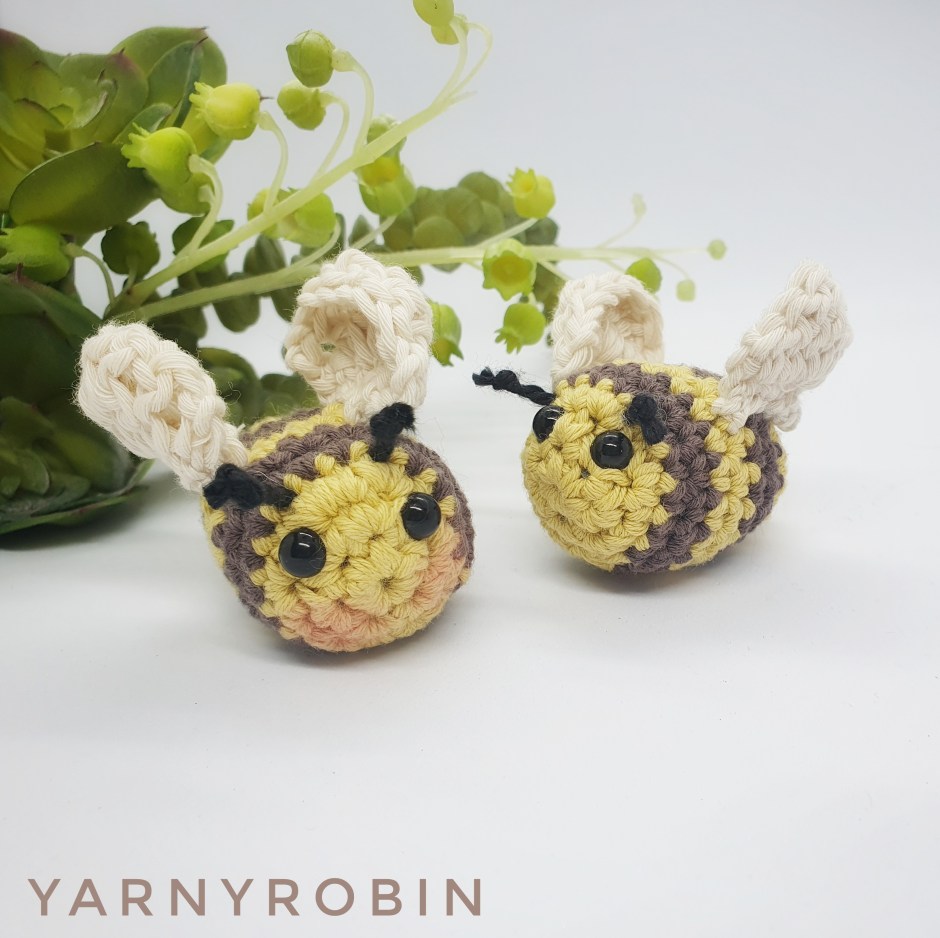
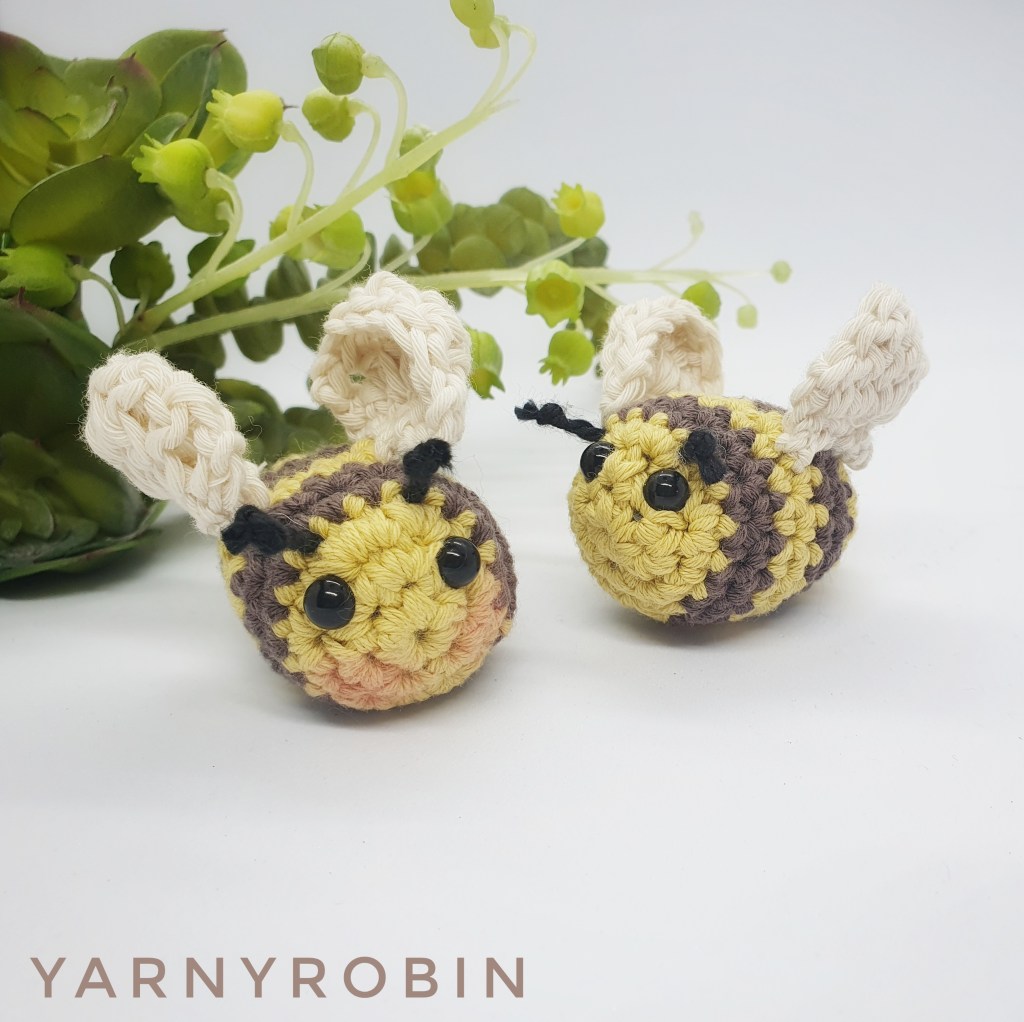
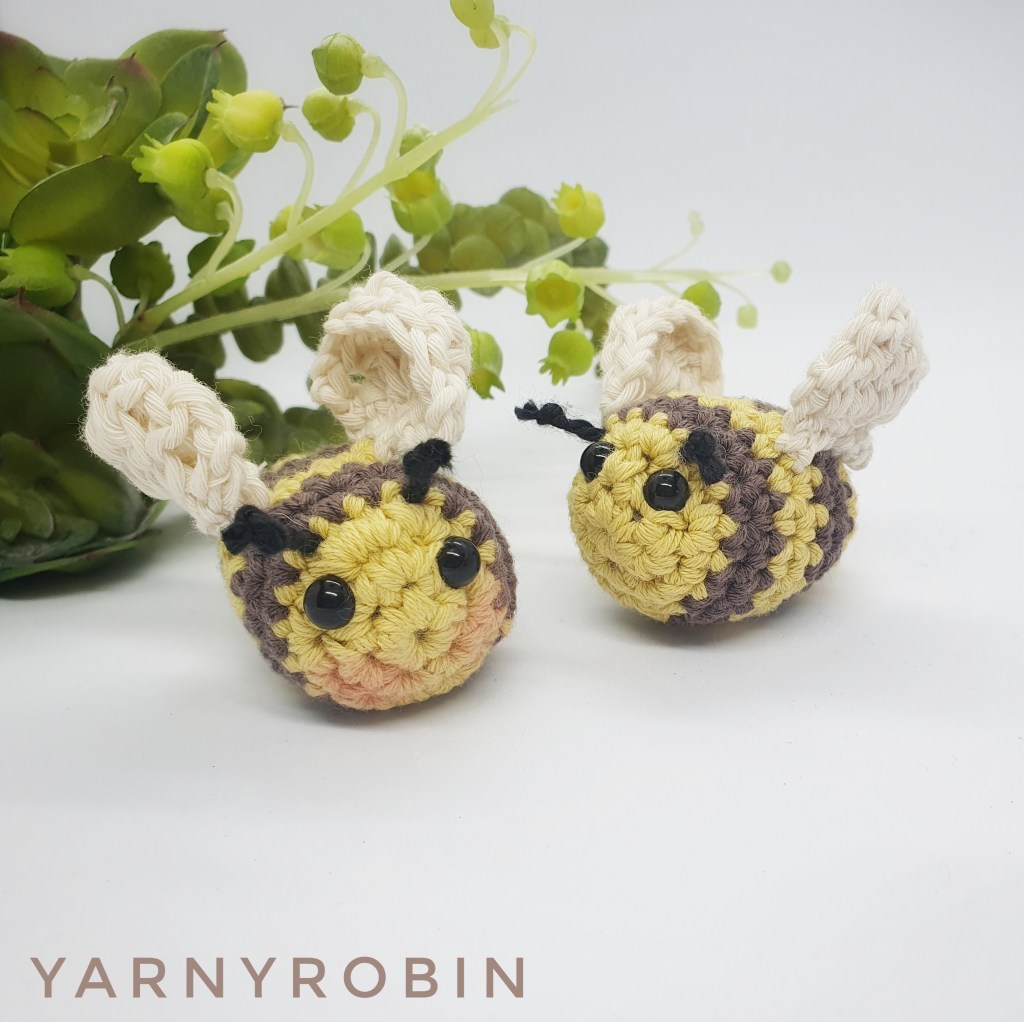
I promise I will pop a post for the yarny little bumble bee here as a free pattern, hopefully before the end of August!! I also have plans for pumpkins in the pipe line as well as a beautiful Panda hat too! So do pop back won’t you, I love having you here and don’t forget to come and say hi over on Instagram @yarnyrobin or on facebook @baby yarnyrobin…I would love to see what’s on your hook at the moment!
This beautiful little bumble bee is currently FREE in July’s newsletter which you can sign up to just here…
Processing…
Success! You're on the list.
Whoops! There was an error and we couldn't process your subscription. Please reload the page and try again.
These cute little bees have so many uses. I’m currently making lots to send into Forest School for the children to count with, play hide and seek with and to spark conversations about just how important our bees are!
They would also be really great if you sell at markets as they are quick and easy to make. They would be great as magnets, pin badges, class mate gifts, decorations for wreaths and a whole host of other decorations! Let your mind run free!!























 Crochet blog