Best-Selling Crochet Items That Shoppers Actually Buy
this post contains affiliate links, which means i may earn a small commission if you purchase via them, at no extra cost to yourself. This helps to support this blog.
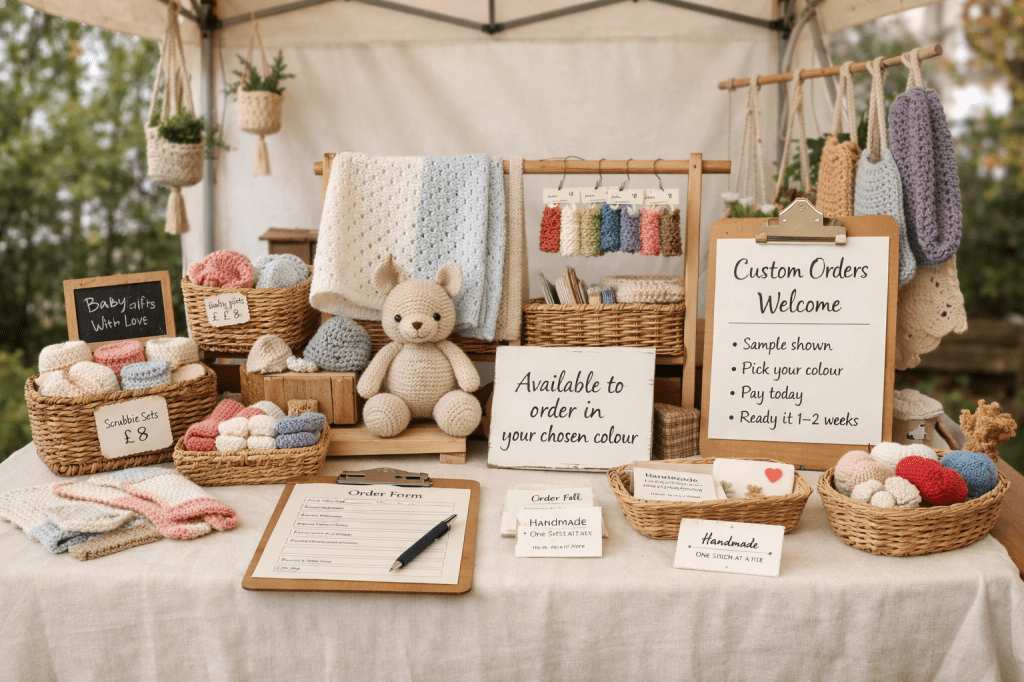
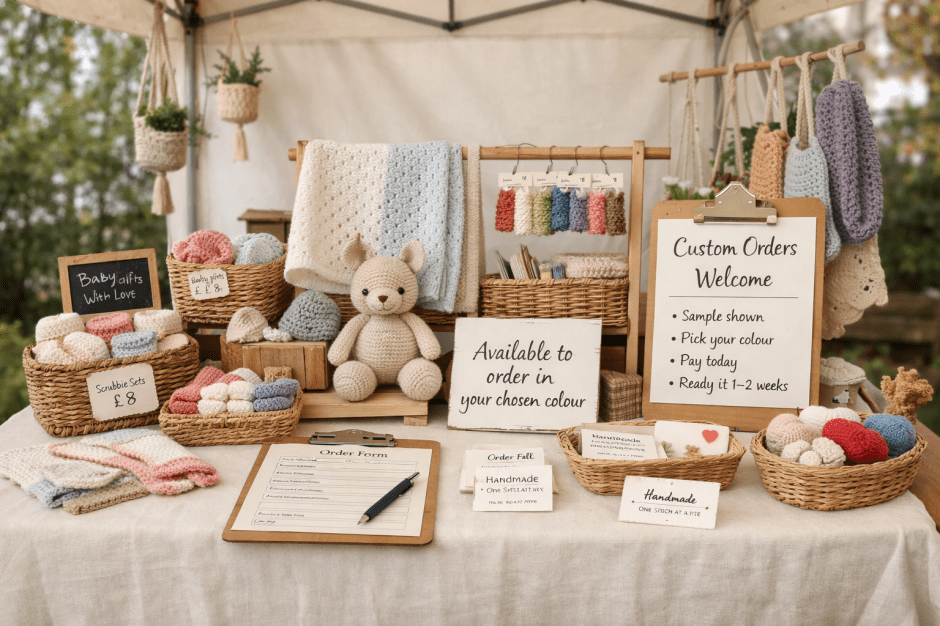
Spring craft markets are some of the loveliest to prepare for — lighter yarns, softer colours, and shoppers who are ready to browse, linger, and treat themselves after winter.
But if you’ve ever sat staring at your yarn stash wondering what on earth should I make, you’re not alone.
When time, yarn, and energy are limited, the goal isn’t to make everything — it’s to make the right things. Items that are quick to produce, easy to price, and genuinely appealing to spring market shoppers.
This guide shares tried-and-tested crochet items that consistently sell well at spring craft fairs. There are also practical tips to help you present, price and stock your table without burning out.
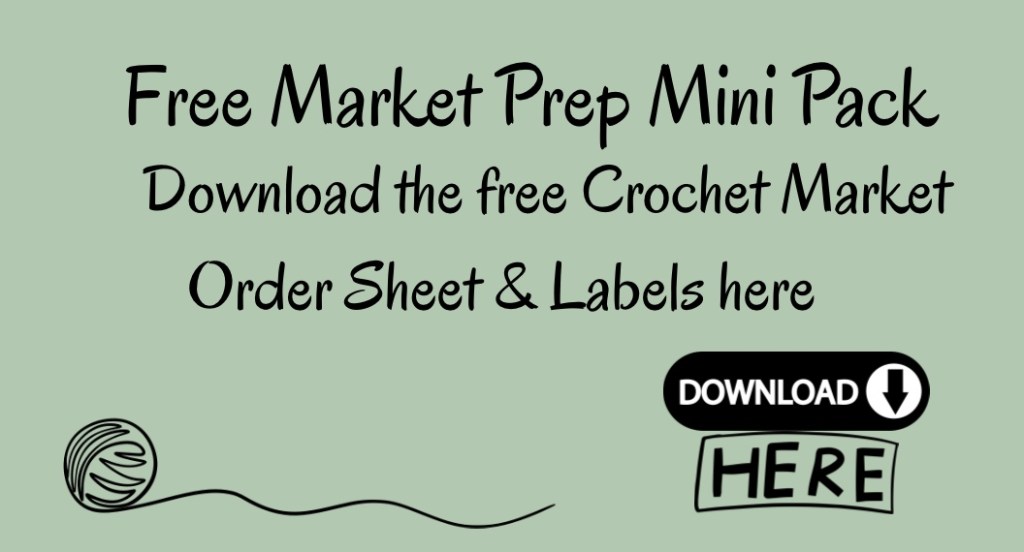
I’ve organised this post into easy sections. These include small giftable makes, baby items, and spring home décor. Other sections cover light wearables, taking orders using samples, and pricing crochet fairly. I also discuss how to help customers understand the value of your work without over-explaining, as well as tips on stocking your table. I have also included a FREE Mini Market Bundle printable. It comes with an order form and handmade labels, look for the sage coloured box below to download. Feel free to skip straight to the parts most helpful for you.
Small, Giftable Crochet Items (Your Spring Staples)
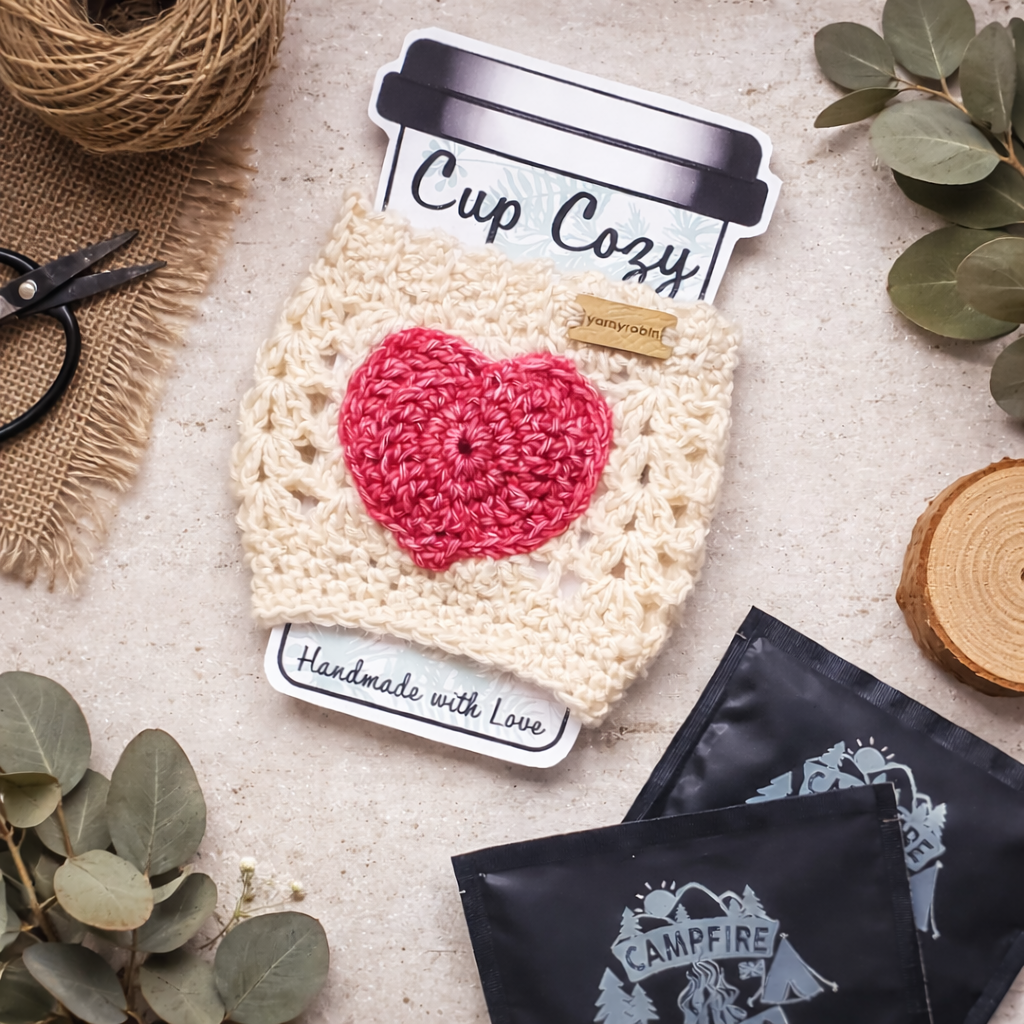
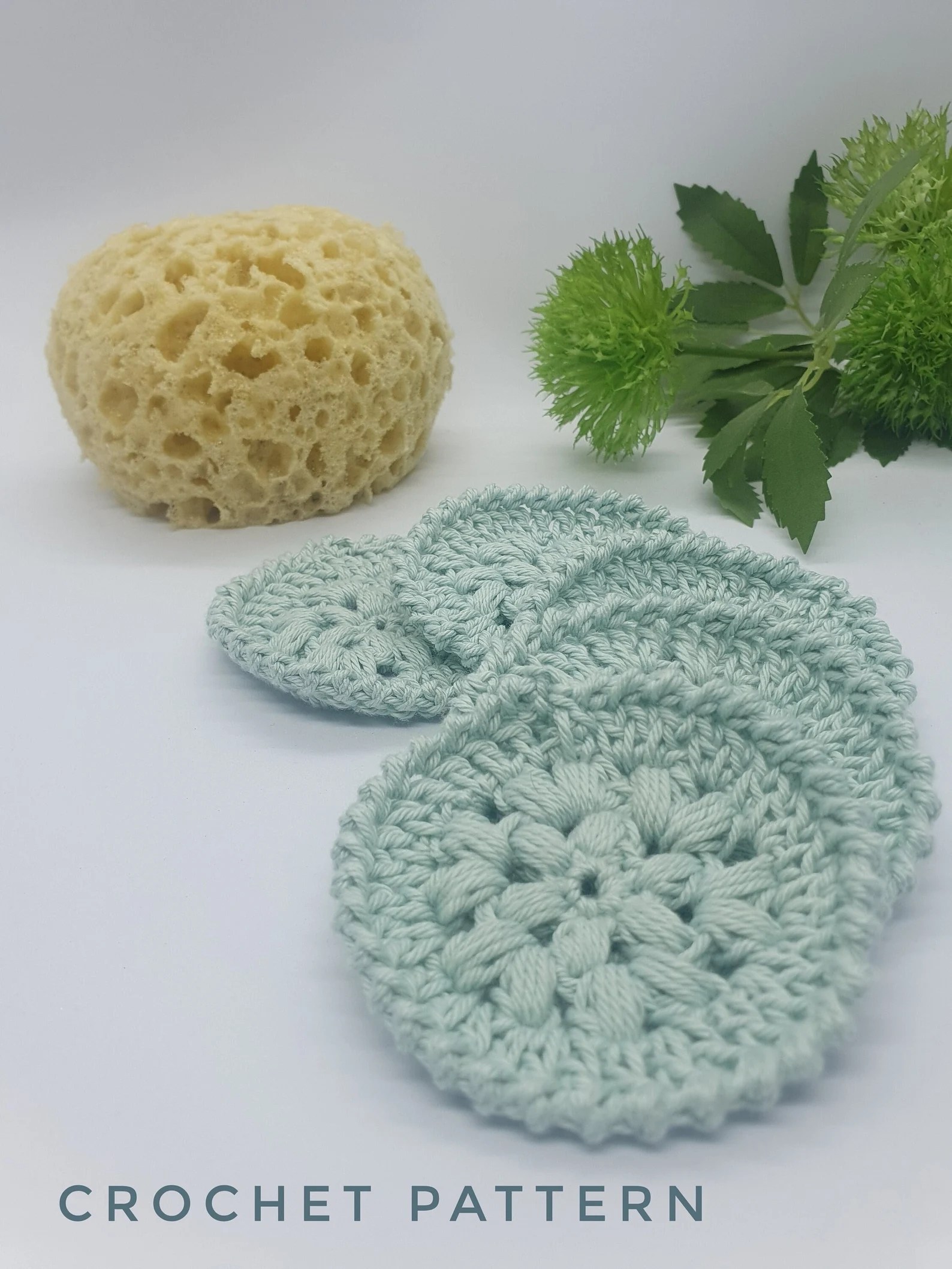
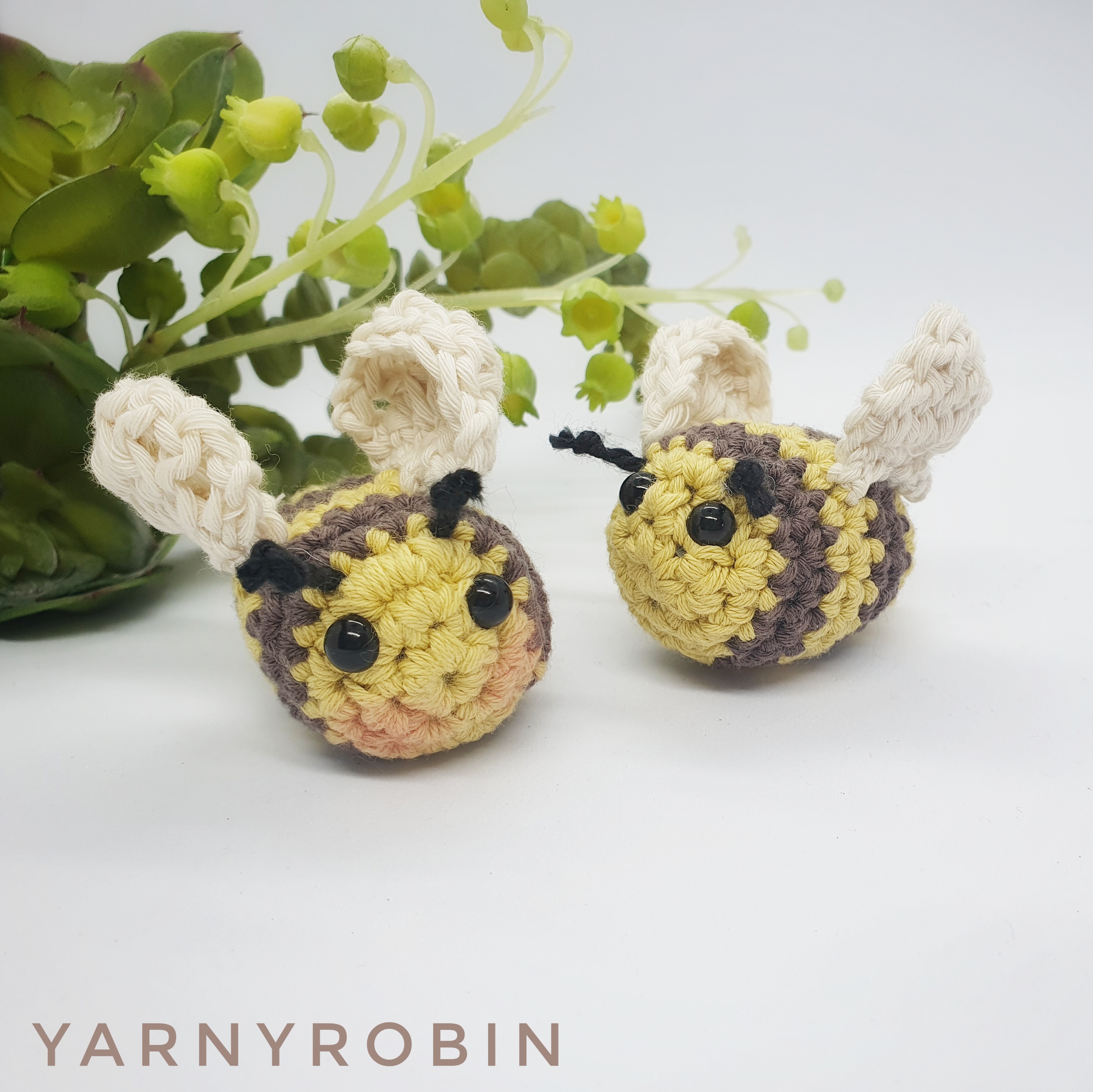
Small crochet items are often the quiet heroes of a market stall.
They’re affordable, easy to gift, and perfect for shoppers who want “just one little thing” — which often turns into two or three.
Popular spring sellers include:
Why they work so well
- Low price point
- Fast to make
- Ideal for Mother’s Day gifting, thoughtful thank-yous, and meaningful handmade purchases that don’t need a big decision.
Market tip: Bundle items into small sets (for example, a face cloth + scrubbie) to increase value without much extra work.
Baby & Children’s Crochet (Always in Demand)
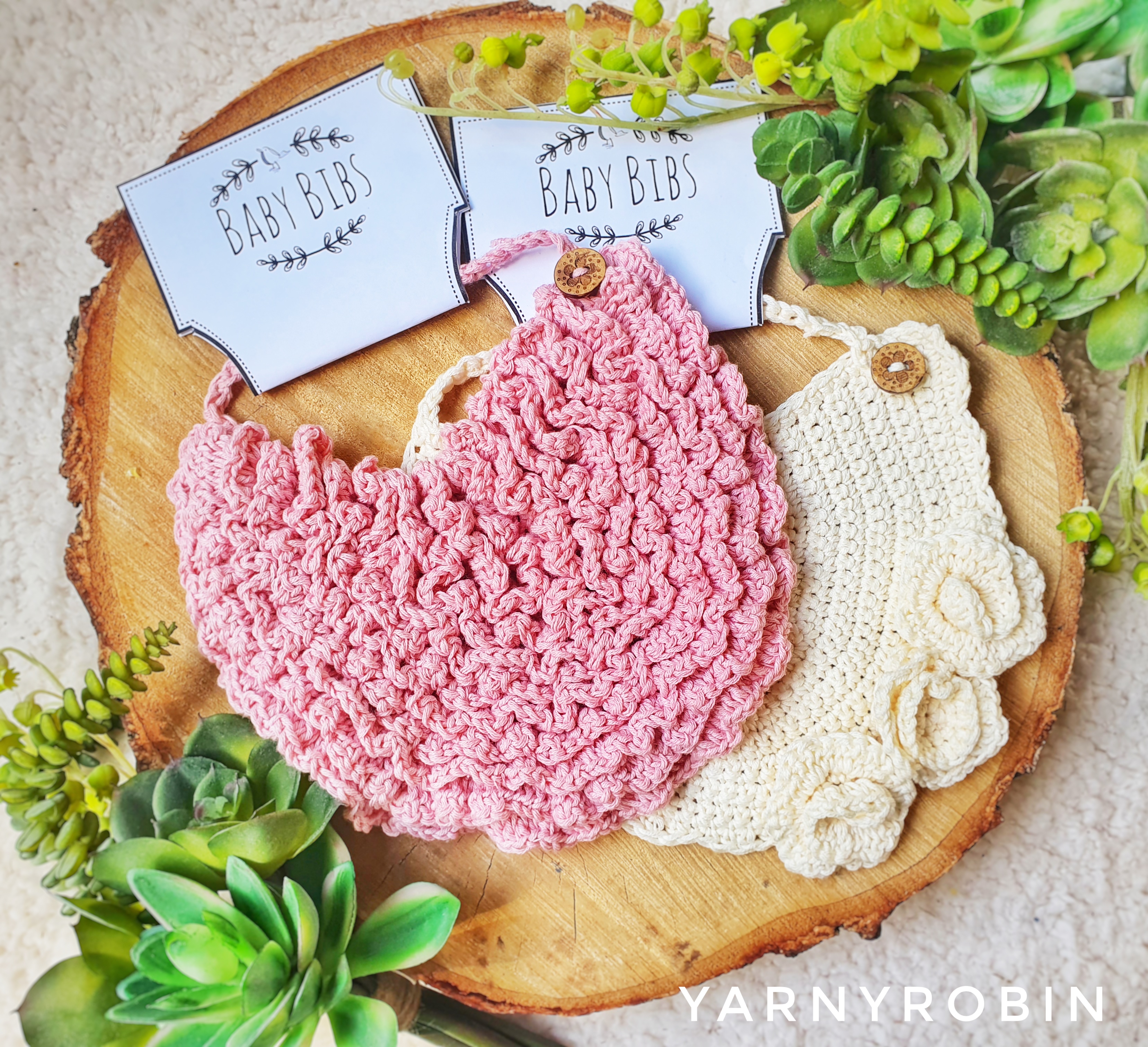
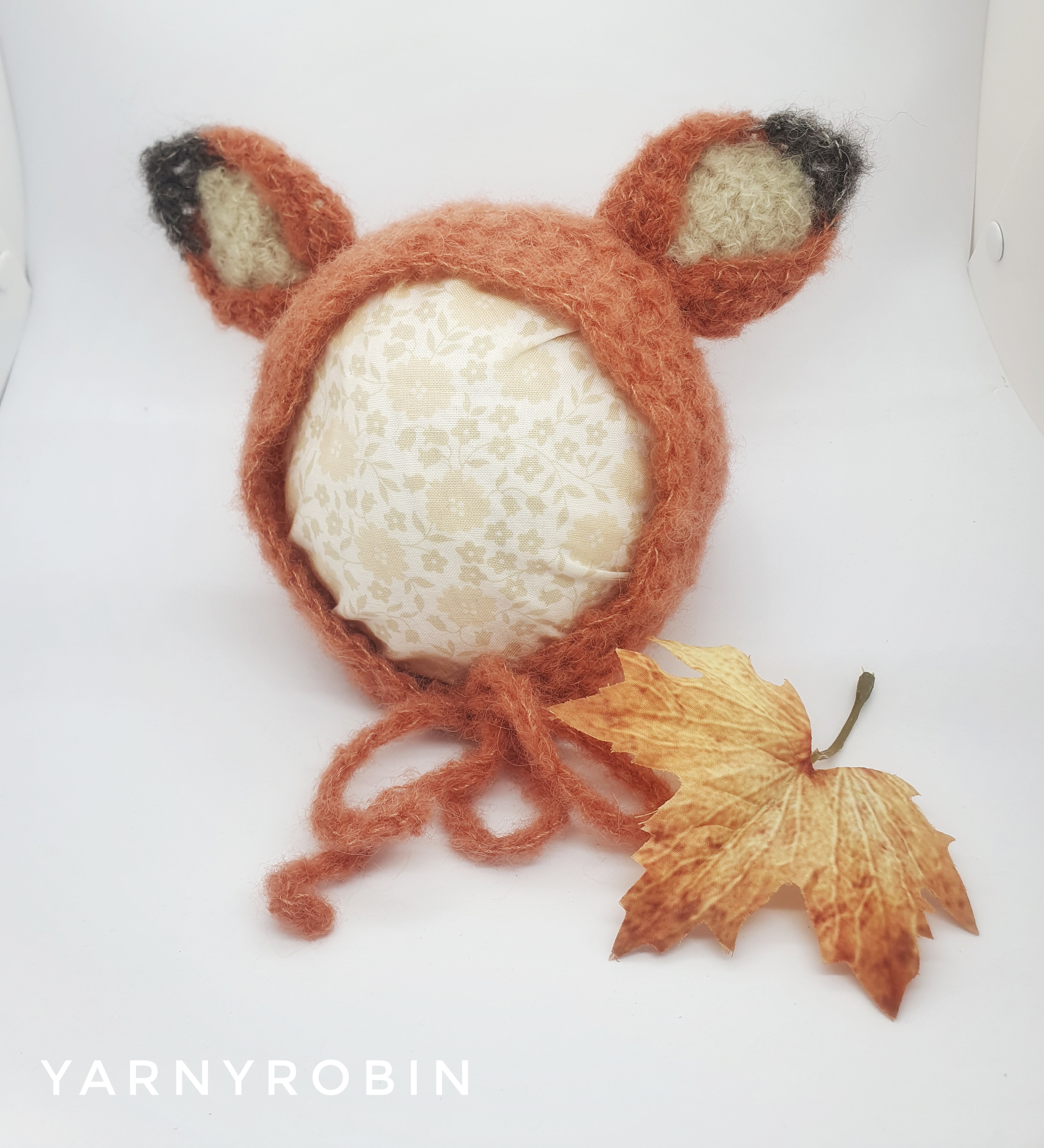

Spring is peak season for baby showers, Christenings, and thoughtful handmade gifts — and crochet shines here.
Best-selling baby makes include:
Choose cotton or bamboo blends in gentle spring colours and keep designs simple and practical.
Why these sell
- Handmade feels extra special for babies
- Parents appreciate natural fibres
- Coordinated sets make beautiful gifts
Spring Home Décor That’s Quick to Make
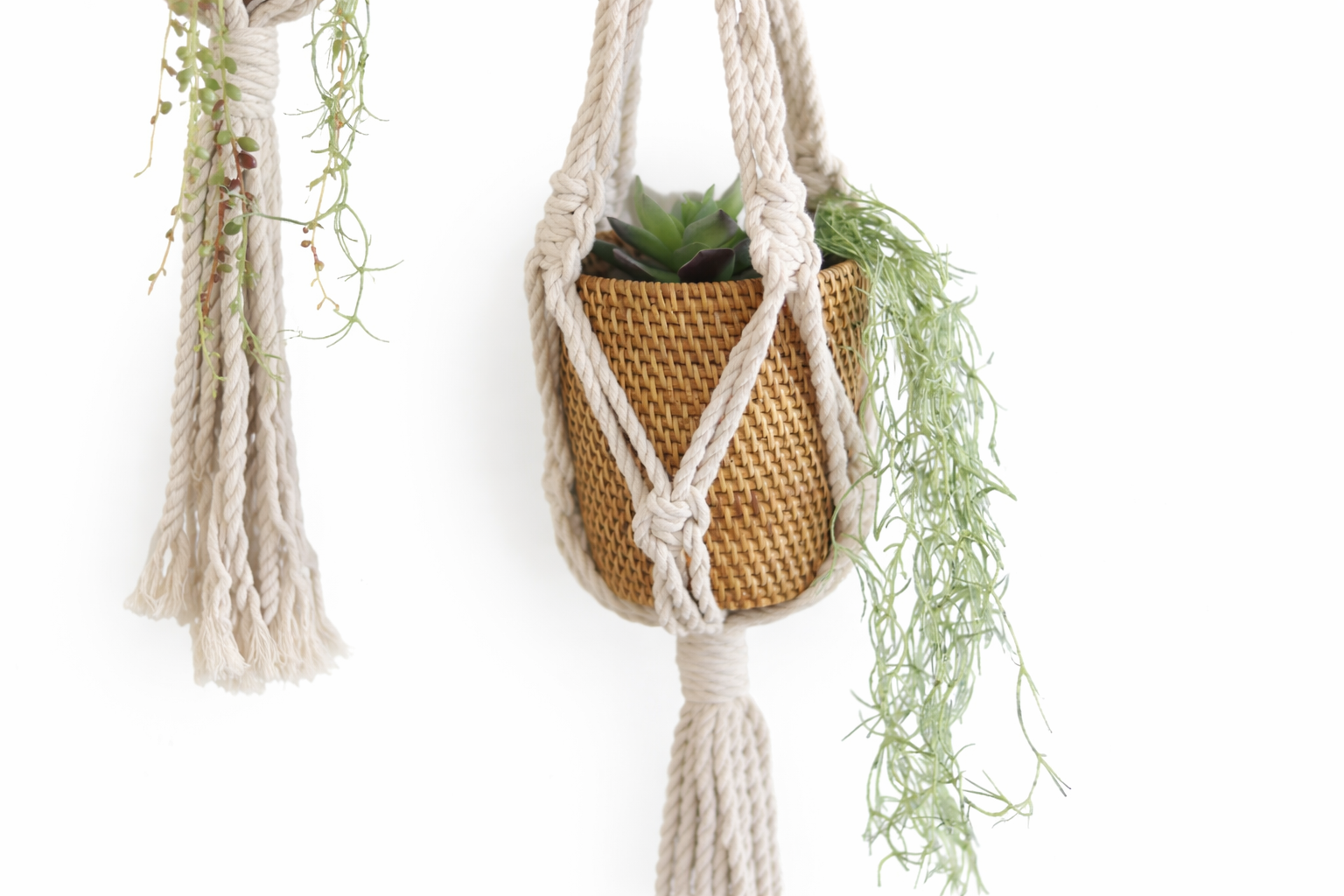
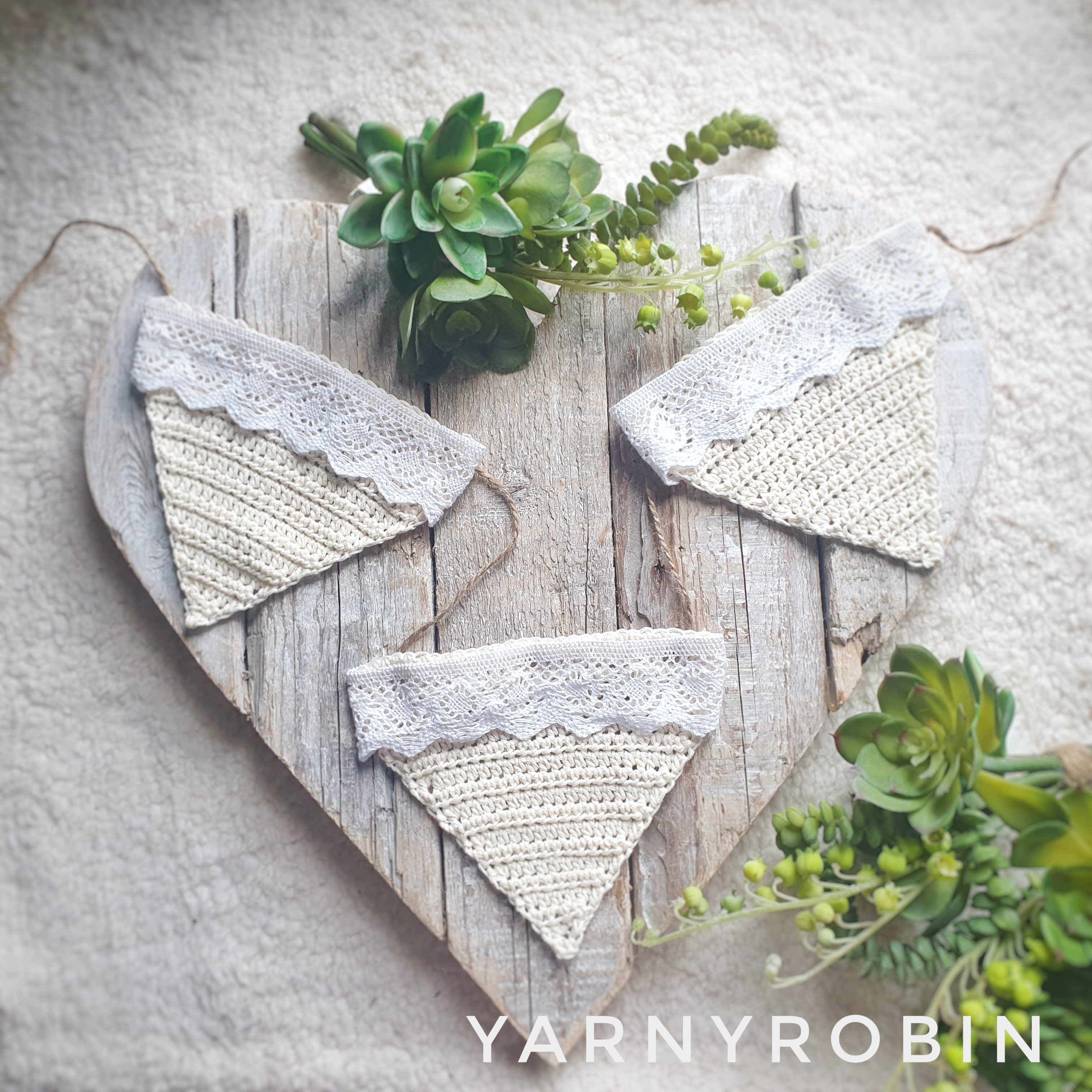
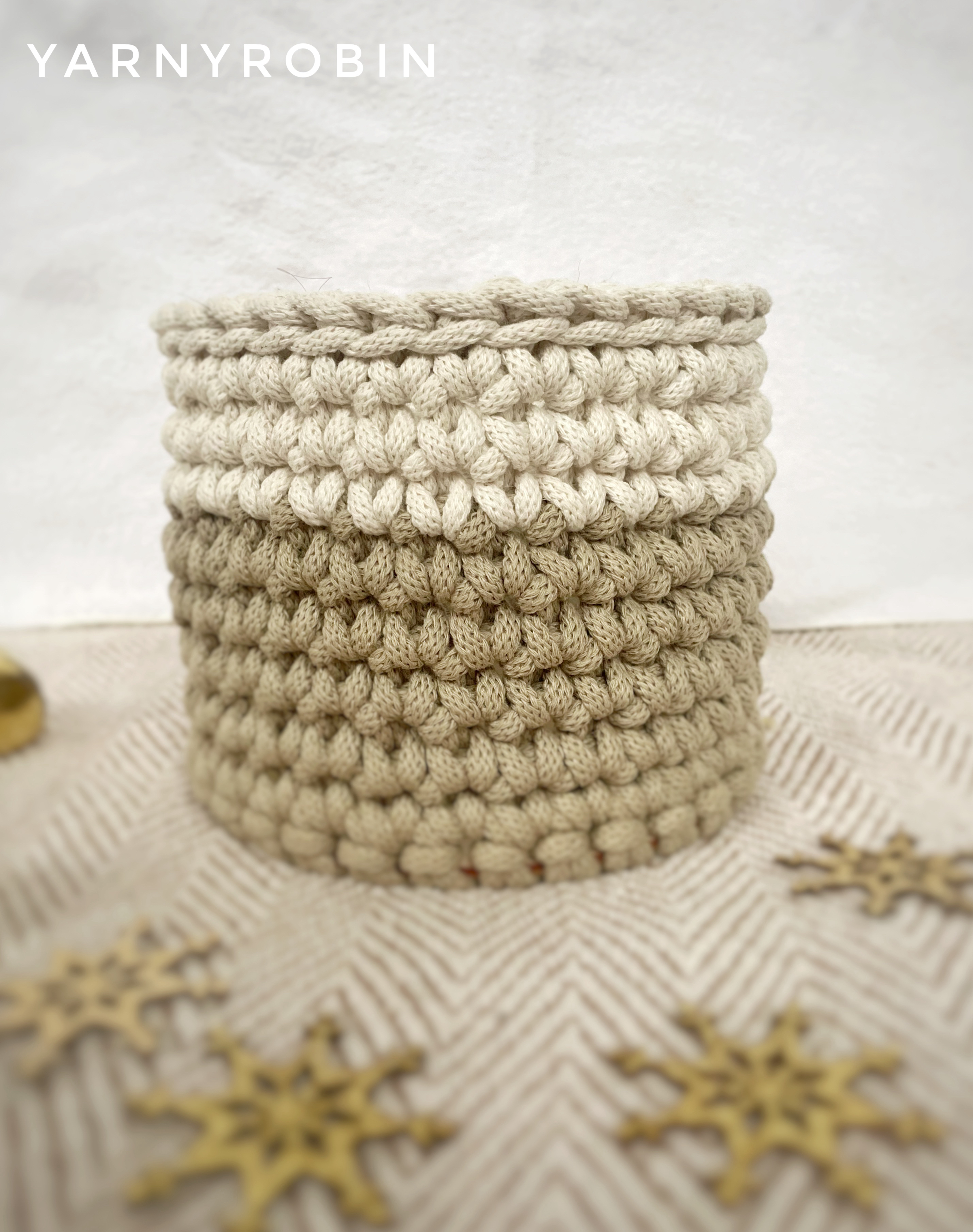
As the days get brighter, shoppers start refreshing their homes — and small crochet décor pieces fit beautifully into that mindset.
Spring-friendly décor ideas:
Why they sell
- Lightweight and fit naturally into a Spring refresh mindset
- Decorative but practical
- Seasonal colour without commitment
Light Spring Wearables Shoppers Love to Try On

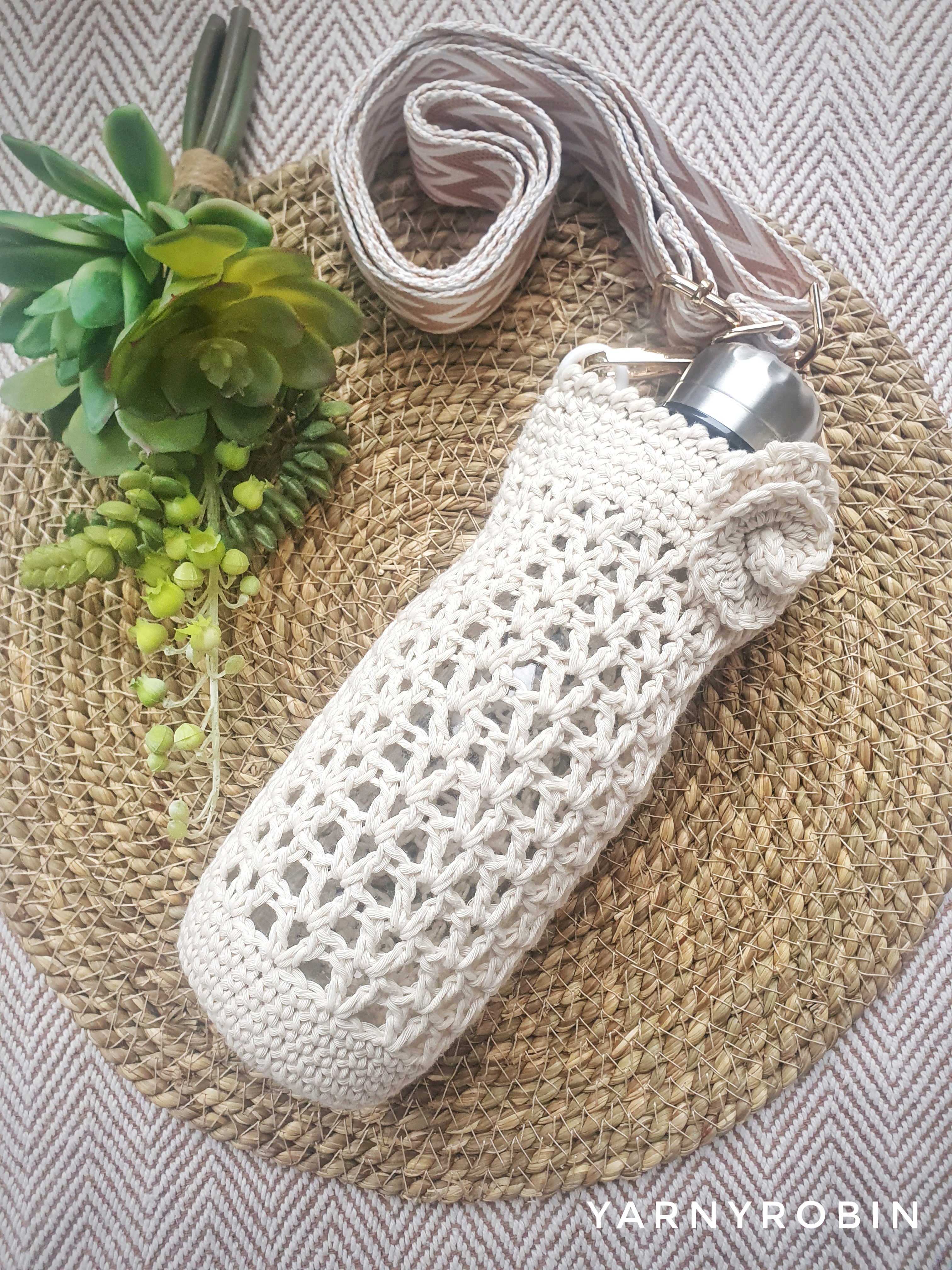
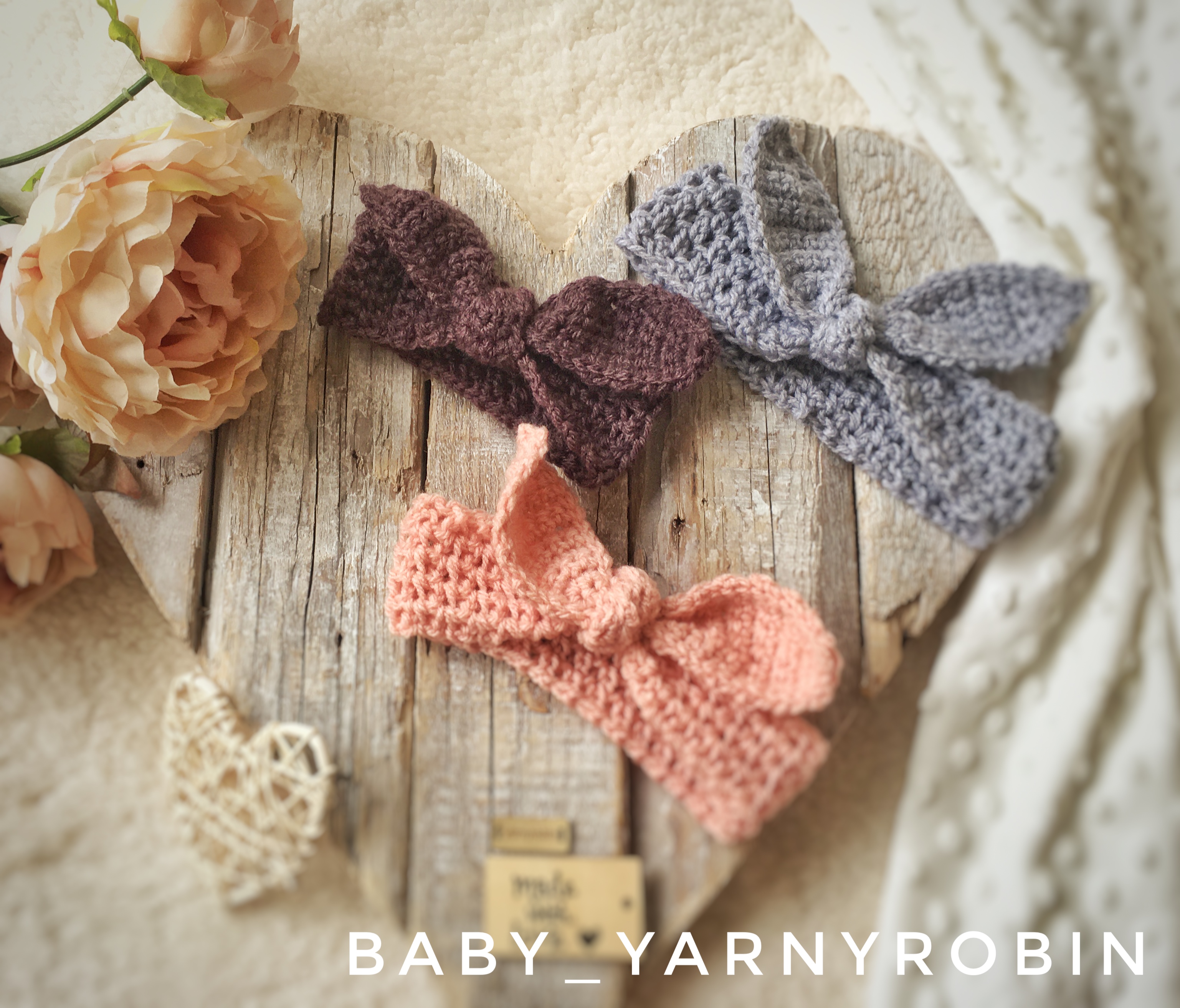
Heavy winter accessories tend to slow down in spring, but light, one-size wearables continue to sell well.
Popular options include:
Why they work
- Easy to try on at the stall
- One-size designs reduce sizing stress
Using Sample Pieces to Take Orders (Without Overloading Your Stock)
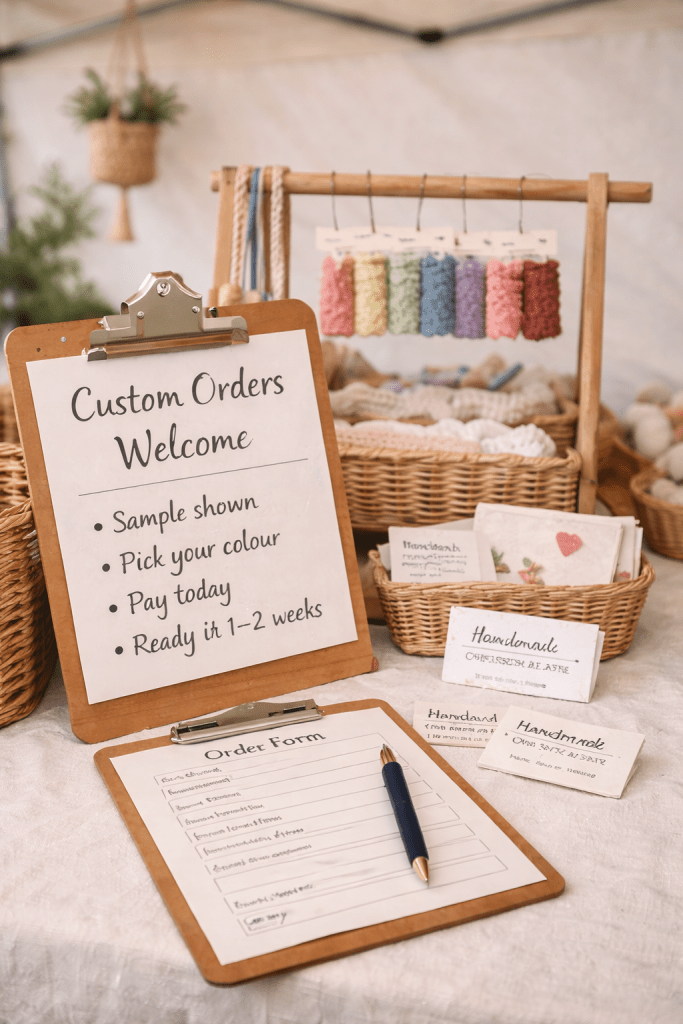
One of the smartest ways to prepare for a spring craft market is to use sample pieces and take orders, rather than trying to pre-make every size or colour.
Instead of filling your table with multiples, you can display:
- One finished sample
- Clear colour options (small swatches or photos)
- A sign stating that the item is made to order
This approach works especially well for:
- Baby blankets
- Cardigans or jumpers
- Larger plushies
- Home décor items in custom colours
Take payment at the time of order
Taking full payment when the order is placed keeps things clear and professional for both you and the customer. It confirms commitment, avoids awkward follow-ups, and ensures you’re not left out of pocket for yarn or time.
Be clear about:
- What the customer is ordering
- Their chosen colour or variation
- Your estimated turnaround time
Get you FREE Market Prep Mini Pack below and stay professional and organised on the day
Decide how orders will be delivered
Before the market, decide how you’ll deliver finished orders and make this clear at the point of sale.
Common options include:
- Postal delivery (build postage into the price or charge separately)
- Local collection if appropriate
If offering local collection, always put personal safety first.
Choose public, well-lit locations, bring someone with you where possible, and never feel pressured to share private details. It’s absolutely fine to limit collections or offer postal delivery only.
A simple sign such as “Sample shown — available to order in your chosen colour” reassures shoppers. It opens the conversation naturally.
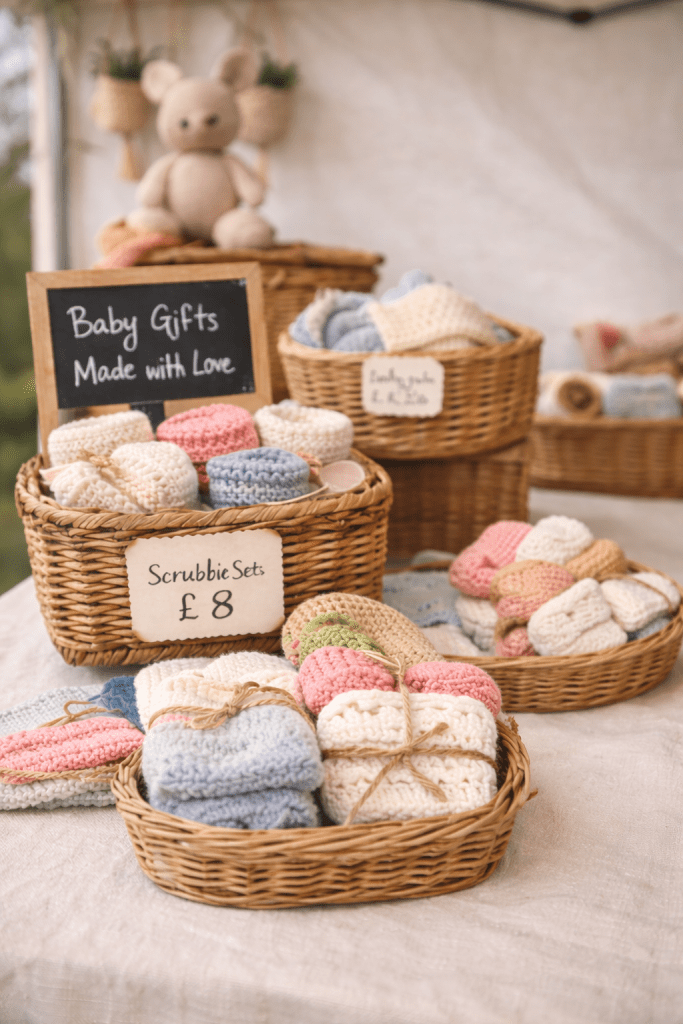
Pricing Crochet Fairly at Spring Craft Markets
Crochet takes time, skill, and physical effort — and it deserves to be priced accordingly.
While it can be tempting to lower prices to “compete,” consistently under-pricing handmade work benefits no one. Fair pricing protects your time, your body, and the long-term sustainability of your craft.
Rather than focusing on being cheap, focus on being well-made, intentional, and clearly valued.
A more realistic pricing framework (UK)
These are starting points, not limits — and your prices should always reflect your materials, time, and experience.
- Small crochet items (hair accessories, keyrings):
£6–£10 - Bundled gift sets (2–3 coordinated items):
£12–£25 - Baby items & thoughtful gifts (bibs, bonnets, loveys):
£15–£35 - Home décor & accessories (plant hangers, coasters, baskets):
£18–£40 - Wearables & made-to-order pieces:
£25–£60+
If those numbers feel uncomfortable at first, that’s often a sign we’ve been conditioned to underprice. It doesn’t mean they’re unreasonable.
Why higher pricing often works better
Shoppers at craft markets expect to pay more for handmade
Fewer sales at a fair price can be better than many sales at burnout prices
Clear pricing signals confidence and professionalism
Your work stands out as considered, not rushed
A Gentle but Important Word on Pricing & Experience
If you’re a newer crocheter, it’s completely normal for your work to still be finding its rhythm. Your tension may be uneven. Amigurumi stitches might be a little holey. Or, baskets may not yet hold their shape as intended. We’ve all been there.
That doesn’t mean you shouldn’t sell your work. However, it does mean pricing realistically. Set prices that are appropriate for your current skill level.
Pricing beginner-level pieces at the same price as highly refined, professional-quality crochet can lead to disappointment. Customers may feel let down, and you could experience frustration. Craft market shoppers may not have the technical language for what they’re noticing. However, they can usually sense differences in finish. They can also detect variations in structure and polish.
Being realistic protects everyone involved.
If you’re just starting out:
- Price accessibly while you build confidence and consistency
- Choose simpler designs that showcase neatness rather than complexity
- Treat markets as valuable experience, not just income
As your skills grow — and they will — your pricing should grow with you.
Equally important:
Don’t let being a beginner stop you from taking part.
Selling your work, receiving feedback, and building confidence are all part of becoming a skilled maker. Every experienced crocheter started exactly where you are now. The goal isn’t perfection — it’s progress, honesty, and pride in what you’re offering.
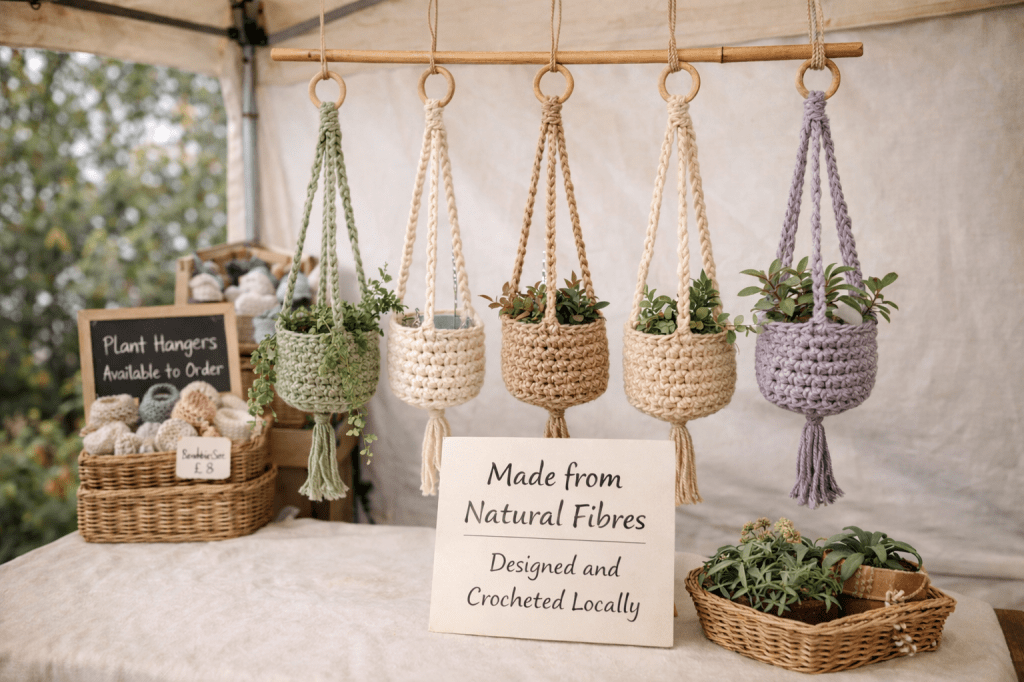
Help customers understand the value (without over-explaining)
Simple cues make a big difference:
- “Handmade using natural fibres”
- “Designed and crocheted locally”
- “Made slowly and with care”
These statements quietly reinforce value without apology.
Important reminder:
You are not pricing for everyone. You are pricing for the customer who values handmade, thoughtful work — and those customers do exist.
Stocking Tips for Spring Markets
Stock smarter
- Focus on variety rather than volume
- Repeat your top three sellers
- Use samples to test higher-value items without over-committing
Seasonal pieces, such as Easter makes, are best produced in limited quantities. Having a few special items creates interest. This avoids the risk of leftover stock that’s hard to resell later. A calm, well-curated table almost always outperforms an overcrowded one.
Final Thoughts: Keep It Enjoyable
Spring craft markets should feel exciting, not exhausting.
Choose crochet items that:
- You enjoy making
- You can repeat comfortably
- Fit your time, energy, and schedule
Simple, well-made crochet always finds the right home — especially when it’s made with care.
If you’re preparing for spring markets this year, I hope this guide helps you feel confident, organised, and inspired. If you’re planning spring markets, you might like to save this post on Pinterest. That way, it’s easy to come back to when you’re preparing your stock.
Happy hooking,
Niki

 Crochet blog